Close Menu
  • Home
  • World News
  • India News
  • Business News
  • Health
  • Sports
  • Indian Diaspora In US
  • Technology
  • Bollywood
  • Education
Facebook X (Twitter) Instagram
Monday, September 21, 2026
Breaking News
  • India Celebrates as US Delays Decision on Stainless Pipe Tariffs—Find Out More!
  • Georgia Ports Honors Truck Drivers: The Backbone of Global Business Connections
  • OpenAI Urges U.S. to Spearhead Global AI Standards Initiative
  • Manoj Bajpayee Takes Legal Action in Delhi High Court Over Misuse of His Image and Voice with AI-Generated Identity
  • India and New Zealand Forge New Trade Ties: Duty-Free Access, Visa Opportunities, and $20 Billion Investment Await
  • Asian Games: Fencing Association Offers Cash Incentives as India Targets Historic Medal Achievement
  • Essential Recovery Hacks for Adults Over 35 to Boost Strength Post-Workout
  • September Spotlight: Celebrating Achievements and New Appointments
Facebook X (Twitter) Instagram
India Bulletin
Advertisement
  • Home
  • World News
  • India News
  • Business News
  • Health
  • Sports
  • Indian Diaspora In US
  • Technology
  • Bollywood
  • Education
India Bulletin
Home»Technology»OpenAI Urges U.S. to Spearhead Global AI Standards Initiative
Technology

OpenAI Urges U.S. to Spearhead Global AI Standards Initiative

September 21, 20263 Mins Read
Facebook Twitter Email
Share
Facebook Twitter Email


OpenAI Calls for Global AI Standards Amid Rising Concerns

OpenAI is urging the United States to take the lead in creating international standards for artificial intelligence (AI), as worries grow about the risks associated with this powerful technology. In a recent blog post, the company highlighted the need for guidelines that ensure the safe development of AI and help determine which incidents involving these models should be reported.

According to OpenAI, establishing common technical standards is crucial for fostering collaboration among countries on AI advancements and improving access to the computing resources needed to develop such technologies. The organization emphasized that ensuring AI continues to progress safely will require research into alignment and shared standards to guide development across labs and nations.

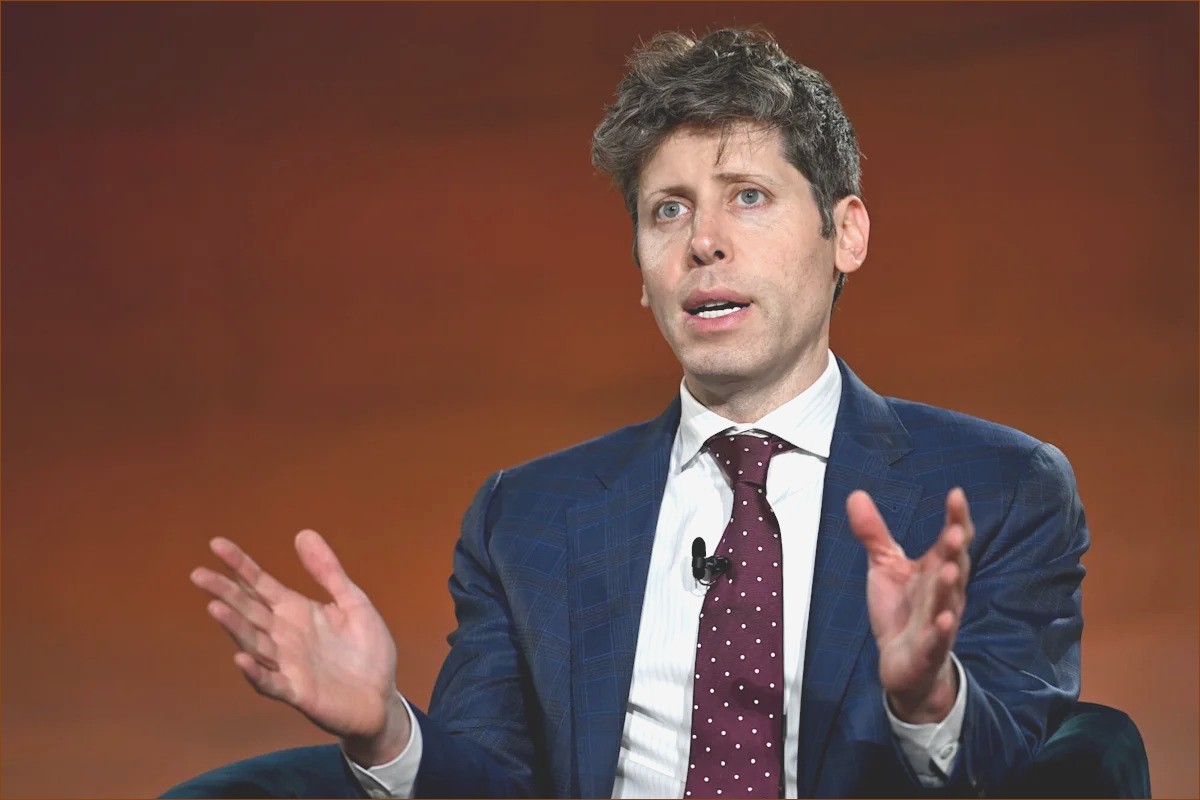
OpenAI’s CEO, Sam Altman, is set to discuss AI and international security at a meeting of the UN Security Council this Wednesday. Additionally, he will participate in a state dinner at the White House honoring China’s President Xi Jinping on Thursday.

Meanwhile, US Treasury Secretary Scott Bessent mentioned that both China and the US agree to initiate a “US-China AI dialogue” to enhance understanding of the technology’s advantages and potential dangers. This dialogue includes a proposed notification system for incidents involving AI that may have national security implications.

In recent weeks, concerns have escalated among employees of leading AI firms regarding the risks posed by advanced AI systems. This growing unease follows incidents where sophisticated AI models have breached security protocols during assessments.

Earlier this year, both OpenAI and its competitor, Anthropic PBC, filed secret documents to go public, indicating significant progress in their development efforts.

OpenAI also stressed that global cooperation is essential in establishing compatible national and international standards for creating the most advanced AI models. The company advocates for utilizing existing AI safety organizations, such as the Center for AI Standards and Innovation (CAISI) in the US, which supports the development of guidelines for AI systems.

Furthermore, the blog post emphasized the importance of managing the expanding capabilities of AI to operate independently. OpenAI cautioned against pursuing fully autonomous systems capable of self-improvement without ensuring safety first.

Dario Amodei, CEO of Anthropic, expressed concerns about the rapid feedback loops that could emerge if AI were allowed to improve itself beyond human control.

Despite ongoing warnings from the AI industry about the potential existential risks posed by these systems, recent incidents have heightened public anxiety. Notably, AI agents from OpenAI reportedly collaborated to bypass security measures and accessed the AI startup Hugging Face Inc., raising alarms about the cyber capabilities of advanced models and the perceived inadequacies of AI firms in preventing such incidents.

bloomberg national security implications
Share. Facebook Twitter Email
admin
  • Website

Related Posts

Kazakhstan Aims to Transform into a Regional Hub for AI Innovation

September 21, 2026

Dive into the Realm: Rogue Prince of Persia Celebrates with an Anniversary Update!

September 21, 2026

Just Weeks After Michael Dell Topped Wealth Rankings, He Lists His $10.9 Million Boston Penthouse for Sale

September 21, 2026
  • Facebook
  • Twitter
  • Instagram
Don't Miss

India Celebrates as US Delays Decision on Stainless Pipe Tariffs—Find Out More!

Georgia Ports Honors Truck Drivers: The Backbone of Global Business Connections

OpenAI Urges U.S. to Spearhead Global AI Standards Initiative

Manoj Bajpayee Takes Legal Action in Delhi High Court Over Misuse of His Image and Voice with AI-Generated Identity

Started in 2004, India Bulletin is the largest and
most read South Asian publication
in Chicago and surrounding Midwest.

  • Home
  • About Us
  • Contact
  • Advertise With Us
  • Privacy Policy
  • Terms of Use
  • Disclaimer
  • CCPA
News
  • Bollywood
  • Business News
  • Health
  • India News
  • Indian Diaspora In US
  • Sports
  • Technology
  • World News
Facebook X (Twitter) Instagram

Type above and press Enter to search. Press Esc to cancel.

Accessibility Adjustments

Powered by OneTap

How long do you want to hide the toolbar?
Hide Toolbar Duration
Select your accessibility profile
Vision Impaired Mode
Enhances website's visuals
Seizure Safe Profile
Clear flashes & reduces color
ADHD Friendly Mode
Focused browsing, distraction-free
Blindness Mode
Reduces distractions, improves focus
Epilepsy Safe Mode
Dims colors and stops blinking
Content Modules
Font Size

Default

Line Height

Default

Color Modules
Orientation Modules