
New Research Aims to Enhance Bioplastics for Food Packaging
Plastics have become a big part of various industries, particularly in food packaging. While they offer many advantages, there are also significant drawbacks, which has given rise to bioplastics. However, many businesses are still hesitant to switch to these eco-friendly options. New research from Virginia Tech’s Department of Chemical Engineering is working to improve the quality of bioplastics to make them competitive with traditional plastics.
Plastics are essentially long chains of molecules known as polymers, made from smaller units called monomers. Most synthetic polymers are commonly referred to as plastics, which comes from the Greek word “plastikos,” meaning easy to shape. There are many applications for plastics — for example, PVC is used for pipes, while polystyrene is formed into food containers, and PET is used for beverage bottles. The characteristics of plastics depend on their molecular size, physical state, and how the polymer chains are arranged.
The versatility of plastics makes them perfect for a range of uses, especially in food packaging. Their strength and ability to keep gases out allow for easy molding into various shapes. Plastics can be transparent, opaque, flexible, or rigid. Polyethylene, created from ethylene monomers, is the most commonly used plastic in food packaging. The high demand for plastics has led to a staggering global production rate of more than 400 million tons each year, according to recent studies.
Although convenient, the overproduction, usage, and disposal of plastics have prompted serious concerns: they contribute to pollution, health risks, and increased greenhouse gas emissions. Experts warn of society’s growing “over-reliance” on plastic.
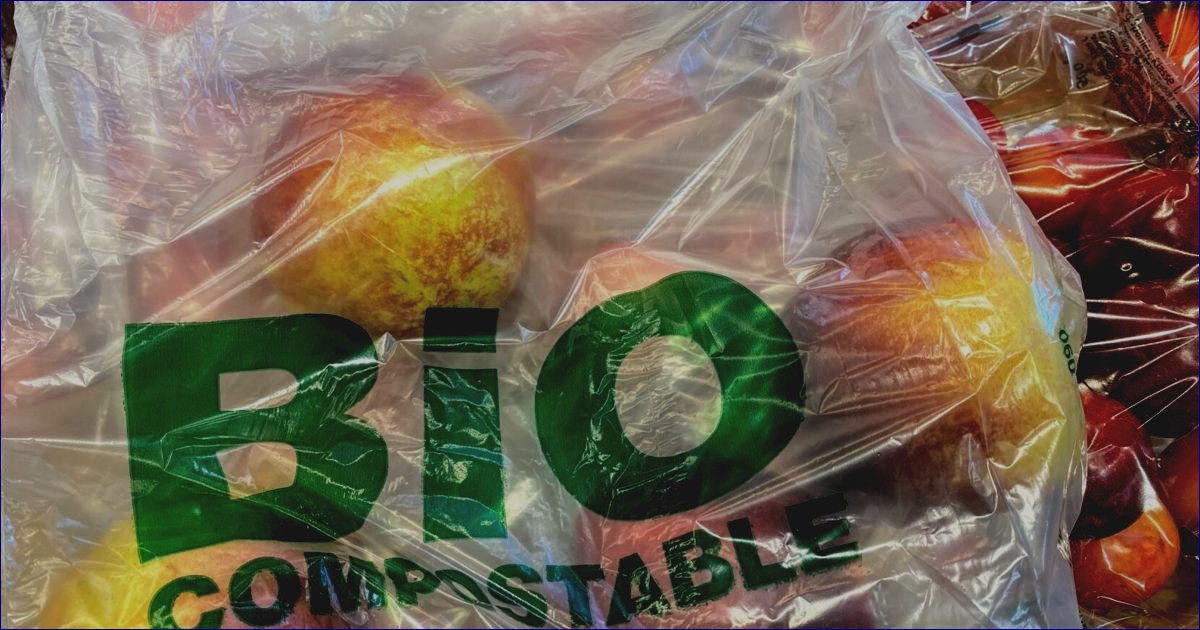
In response to these challenges, the development of more sustainable materials known as bioplastics is gaining traction. The most widely produced bioplastic is polylactic acid (PLA), a thermoplastic made from renewable resources like corn and sugarcane. PLA is biodegradable under industrial composting conditions, moisture-resistant, and safe for human contact.
Despite the promising developments in bioplastics, companies are still cautious about diving in. One reason is that bioplastics can be more costly to produce than traditional fossil fuel-based plastics, and the industrial setups needed to break them down aren’t commonplace yet. Furthermore, since many bioplastics are still being fine-tuned, their performance can be inconsistent compared to well-established materials like polyethylene.
To tackle these challenges, Virginia Tech researchers, including associate professor Rong Tong and assistant professor Yifan Cheng, are pushing boundaries in the study of bioplastics. They, along with their Ph.D. students Ziyu Huo, Xiaoyu Xie, and Huida Duan, have altered the molecular structure of plastics to create a new arrangement. By reshaping the molecules into rings and adjusting their sequence, they developed a gradient polymer that varies its composition along its length.
This innovative approach offers the potential to combine multiple beneficial traits in a single plastic. As Cheng noted, “For decades, improving plastics mainly focused on their composition, but our research shows that the arrangement of molecules — whether in lines or circles — is equally crucial.”
Some of the polymers tested by the team displayed characteristics similar to PLA, effectively blocking oxygen while being tougher and more flexible. “Normally, enhancing the strength of a material can lead to brittleness, but here, we see both strength and toughness improve,” Tong explained. “This indicates that the unique ring structure and controlled arrangement collaborate in ways we’ve not previously seen.”
The ongoing research by Tong and Cheng suggests that rethinking the molecular makeup of bioplastics could help overcome their current limitations and create viable alternatives to traditional plastics for a sustainable future.
