
Emerging Wellness Trends: Lymphatic Drainage and Ice Sculpting
In recent months, wellness treatments like lymphatic drainage and ice sculpting have gained a lot of attention. Ainsley Earhardt recently spoke with Nancy Vega from The Shape of You Spa in Summit, New Jersey, along with internist Dr. Michael Aziz, to discuss these popular treatments. They highlighted how these therapies can promote detoxification, alleviate fluid retention and bloating, and assist in fat breakdown by stimulating thermogenesis. The conversation also touched on the importance of maintaining a healthy lymphatic system and the trend toward more proactive healthcare practices.
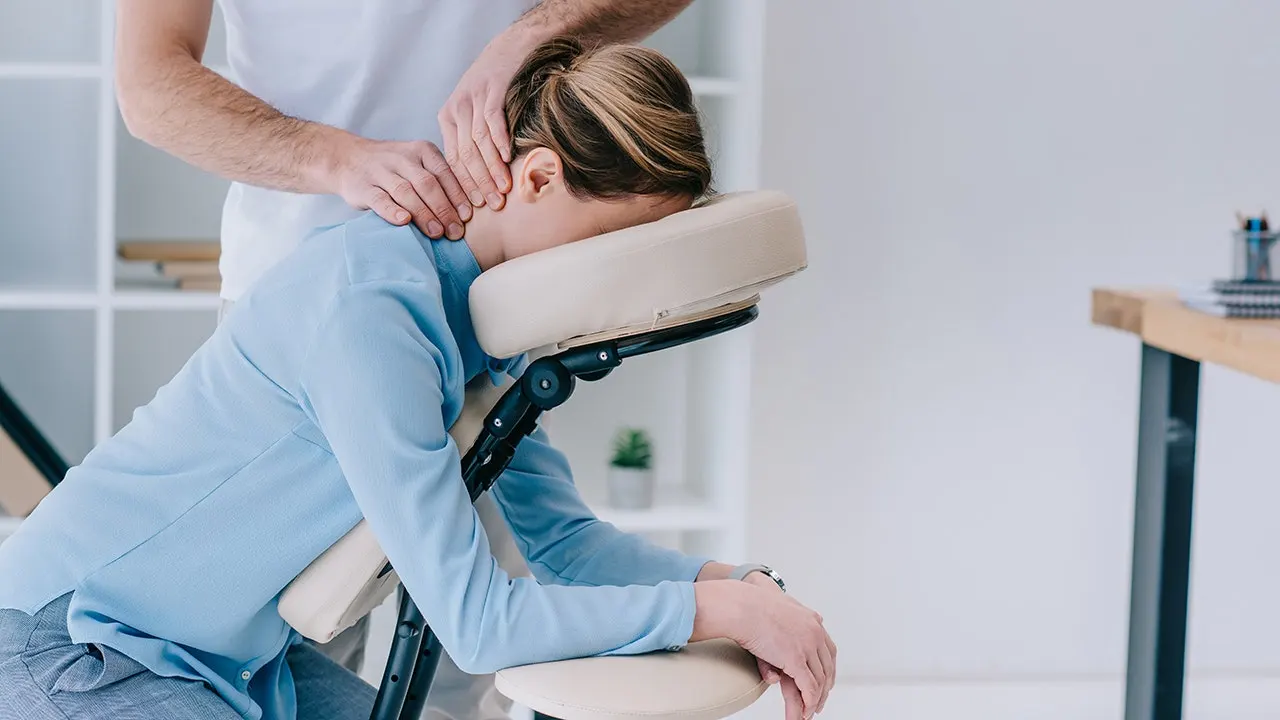
Despite the benefits, some wellness treatments have also left customers with unexpected side effects. A growing number of people are reporting feelings of fatigue, soreness, and headaches after receiving massages. Many social media users describe these symptoms as “massage flu,” a term not recognized in medical settings but commonly used among clients.
W. Zach Smith, a physical therapist based in Seattle, noted that he’s heard from patients experiencing these symptoms. “It’s a well-known phenomenon where people feel fatigued or sore after a massage,” he explained.
This discomfort often occurs when significant pressure is applied to muscles over extended periods, particularly for those who might not frequently receive massages. “Applying pressure can sometimes bruise the muscle tissue,” Smith added.
Chiropractor Drew Voelsch from Illinois also acknowledges these symptoms, confirming they’ve been referred to as “massage flu” or “adjustment hangover.” He stated, “The symptoms are real, and they can last between 24 to 48 hours.”
Massages focusing on the neck, scalp, or jaw can particularly trigger headaches, as these areas are often linked to tension headaches.
Both Smith and Voelsch dismissed the idea that these post-massage symptoms are caused by the “release of toxins” from the body, a claim popularized on social media. “That’s just a myth; there’s no scientific evidence to support it,” Smith clarified.
Understanding how to minimize discomfort after a massage can be helpful. Smith suggests clients request lighter pressure or opt for shorter sessions to avoid overwhelming their muscles. He also recommends staying hydrated, eating light meals before appointments, and gently moving around afterward.
While mild soreness is typically nothing to worry about, Smith advised seeking professional help if new or persistent pain develops. Symptoms lasting more than 72 hours, as well as those accompanied by fever, sharp pain, or numbness, should also prompt a visit to a doctor.
In summary, as the popularity of wellness treatments like lymphatic drainage and ice sculpting rises, it is essential for clients to be aware of their bodies’ responses and communicate openly with their healthcare providers to ensure the best possible experiences.
