
Listening to Patients: A New Approach to Sickle Cell Pain
For many years, the intense pain experienced by individuals with sickle cell disease has significantly impacted their daily lives. When Wally Smith, M.D., came to Virginia Commonwealth University (VCU) in 1991, the common belief was that the pain would only manifest during severe crises, requiring a visit to the hospital. Unfortunately, when patients arrived at emergency rooms without visible injuries, they often found themselves waiting longer than others, answering what felt like endless questions. This process left many feeling as though they had to prove their pain before receiving treatment.
Dr. Smith took a different path. He believed in the power of listening. He sought to directly understand from patients what their everyday lives were like living with sickle cell disease. He wanted to know how they felt on the countless days spent away from the hospital.
To accomplish this, he launched a pivotal study called PiSCES, inviting Virginians with sickle cell disease to document their pain through daily diaries over several months. The results were striking. Nearly 29,000 entries revealed that many patients experienced pain regularly, impacting their work, school, and home life. These insights confirmed what patients had long been saying: managing pain was a near-constant struggle, and going to the emergency room often felt like a daunting challenge.
Rather than being random occurrences, many patients reported discomfort almost daily. This research reshaped treatment approaches, influenced how hospitals address sickle cell pain, and led to important discoveries about how chronic pain can affect the brain.
Under Dr. Smith’s guidance, VCU has established itself as a leading institution in sickle cell research. It has brought together experts across various fields, including neuroscience, pharmacology, hematology, and brain imaging. Today, advancements in brain scans, clinical trials, and even potential cures are taking place. Yet, Dr. Smith emphasizes that the most significant breakthrough wasn’t about new science; it was about the act of listening to patients.
Many participants noted that keeping their daily diaries was helpful, as it was the first time anyone truly wanted to know about their experiences. Although the study wasn’t initially intended to serve as therapy, for many, it provided just that.
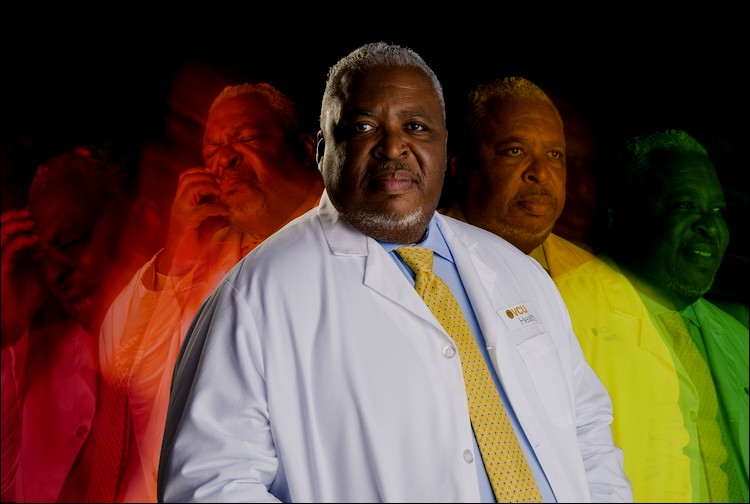
Currently, Dr. Smith, who holds the title of Florence Neal Cooper Smith Professor of Sickle Cell Disease at the School of Medicine and medical director of the adult sickle cell program at VCU Health, is dedicated to training future researchers to tackle even more profound questions in the field.
In the video accompanying this article, you can learn about the remarkable journey of one dedicated researcher whose work has changed the future for those with sickle cell disease. When asked what the medical field needs most today, Dr. Smith’s response is straightforward:
“God gave us two ears and one mouth. Use them accordingly.”
