
Measles Cases Rise Due to Lower Vaccination Rates in Selected States
The rising number of measles cases in the United States is raising alarms among health officials. Senior medical analyst Dr. Marc Siegel highlighted that states like Utah and South Carolina are facing significant increases in measles cases, primarily due to declining vaccination rates for the measles, mumps, and rubella (MMR) vaccine. Dr. Siegel stresses that the MMR vaccine is safe and the most effective way to prevent this highly contagious disease.
In a recent update, the Pennsylvania Department of Health confirmed two deaths related to measles, the first fatalities connected to this virus in the state in 35 years. Both individuals from Lancaster County were unvaccinated. Health officials emphasize that the best protection against measles is receiving the MMR vaccine, which is administered in two doses and offers up to 97% protection for a lifetime.
Dr. Debra Bogen, Pennsylvania’s Secretary of Health, expressed her heartfelt condolences to the families affected, noting that many people today are unfamiliar with the dangerous potential of measles due to its previous rarity in the state. She urged everyone to stay informed about protection measures to keep themselves and their communities safe.
So far this year, Pennsylvania has reported 393 measles cases across 28 counties. Measles is known to be highly contagious, with the ability to cause severe complications, including pneumonia and swelling of the brain. Data indicates that about 20% of those infected require hospitalization. The virus is transmitted through respiratory droplets when an infected person coughs, sneezes, or breathes, and it can remain in the air for up to two hours.
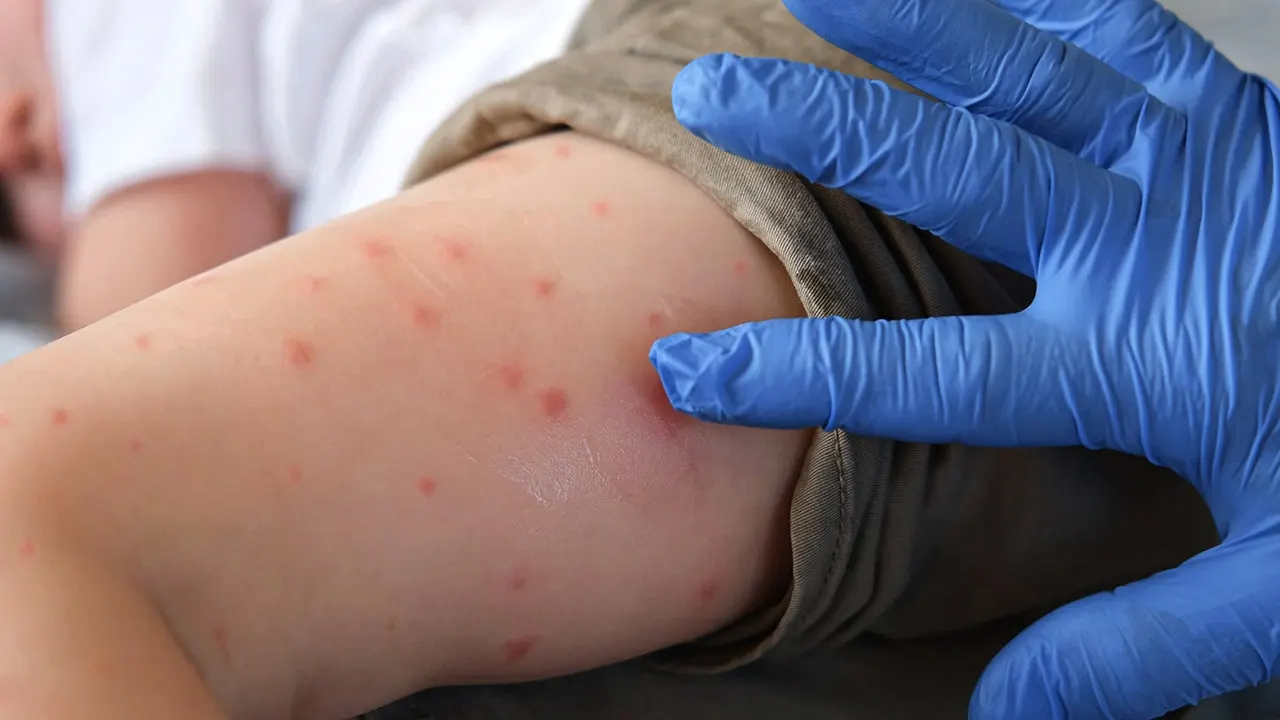
Symptoms of measles usually begin with a high fever, cough, runny nose, and red, watery eyes, followed by a rash that starts on the head and spreads throughout the body. Symptoms can arise between seven to 21 days after exposure. Those who believe they might have been exposed are encouraged to reach out to a healthcare provider.
Dr. Jesse Goodman, a former chief scientist at the FDA, stated the MMR vaccine is “extremely safe and highly effective.” He pointed out that the vaccine has prevented millions of measles-related deaths globally each year, including cases that used to occur in the U.S. There is no evidence linking the MMR vaccine to long-term health issues such as autism.
Experts like Dr. Amesh Adalja from Johns Hopkins believe that the absence of measles deaths in Pennsylvania for decades was due to successful vaccination efforts. He noted that the decline in vaccinations has led to this unfortunate resurgence.
Dr. Siegel warned that measles is so contagious that up to 90% of unvaccinated individuals exposed to the virus could become infected. To achieve herd immunity, which helps protect those who cannot get vaccinated, a vaccination rate of 95% is needed. He highlighted that this isn’t just a matter of individual choice but also about safeguarding the broader community, especially those who are vulnerable, such as the immunocompromised or pregnant individuals.
In summary, vaccination remains a vital tool in controlling the spread of measles and protecting public health.
