
Rising Heart Attack Rates Among Young Americans: The Growing Concern
Recent studies have shown a worrisome increase in heart attack deaths among Americans under 55. Dr. Marc Siegel, a senior medical analyst, recently spoke about this troubling trend on a news program, emphasizing the importance of heart health.
In particular, the story of a high school student-athlete highlights the need for routine heart screenings. Cameron Crider, a sophomore at Calvary Christian High School in Clearwater, discovered he had a serious heart condition during a screening mandated by new legislation in Florida. This law, known as the Second Chance Act, requires students in grades 9-12 to receive at least one electrocardiogram (ECG) before starting or trying out for school sports starting from the 2026-2027 school year.
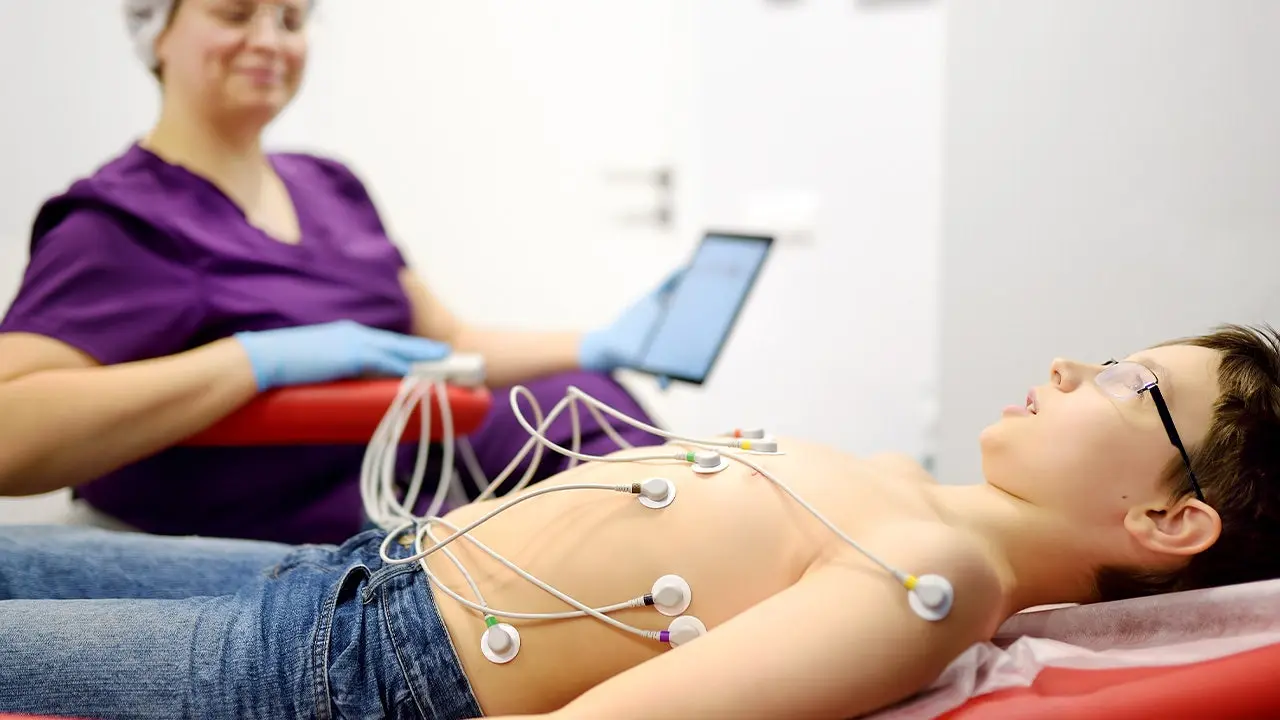
An ECG is a straightforward, non-invasive test that tracks the heart’s electrical signals and can reveal irregularities or other potential issues. Cameron’s screening showed he had an atrial septal defect (ASD), which is a congenital defect characterized by a hole between the heart’s two upper chambers. If left untreated, this condition can lead to serious complications such as pulmonary hypertension and heart failure over time.
Cameron, who had played sports without any noticeable symptoms, expressed surprise upon learning about his condition. His mother, Laura, shared how he participated in long practices without feeling any warning signs, making the diagnosis even more shocking for their family.
Laura Crider emphasized the importance of the ECG, calling it “a gift from God.” The discovery of her son’s heart condition came with a clear treatment plan, which stood in contrast to many other families who only found out about similar issues through tragic circumstances.
Dr. Jonathan Drezner, an expert in sports cardiology, pointed out that around 80% of young athletes who experience sudden cardiac arrest do not show any prior symptoms. This statistic reinforces the importance of screenings, as some serious heart conditions can remain hidden, putting young athletes at a higher risk during sports.
While the American Heart Association (AHA) does not currently endorse mandatory ECG screenings for all student-athletes, they do recommend a thorough heart assessment that includes reviewing personal and family health histories combined with physical examinations. If concerns arise from such assessments, doctors may recommend additional tests like ECGs or echocardiograms.
Dr. Drezner explained that an ECG can greatly improve the chances of detecting conditions that could lead to sudden cardiac arrest in young people. Traditional sports physicals often fail to identify these risks, while ECGs can detect up to 80% of conditions that put young athletes in danger.
It’s crucial for parents to monitor their children’s health, especially if there is a family history of heart conditions. Symptoms such as chest pain, fainting, or a racing heartbeat should not be ignored. Experts encourage proactive discussions with healthcare providers about heart screenings to ensure young athletes are safe while participating in sports.
In summary, the rise in heart-related issues among young Americans serves as a reminder of the critical need for awareness and preventive health measures. Early detection through screenings can make a significant difference in the lives of young athletes and their families.
