
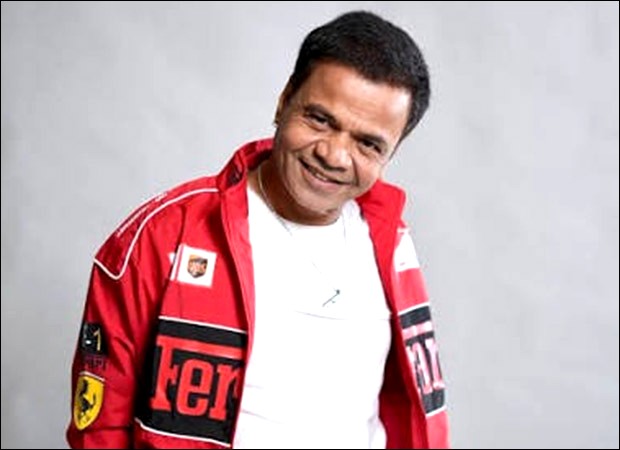
Rajpal Yadav has shared his thoughts on the financial and legal struggles he has encountered over the years, especially regarding his current debts. In a recent conversation with NDTV, the actor discussed how he plans to manage his repayments and talked about the various legal cases that have followed the release of his directorial film, Ata Pata Laapata.
In July 2026, the Delhi High Court upheld Yadav’s conviction in several cheque-bounce cases tied to the funding of his film. While his sentence was reduced to three months for each case, he was also hit with financial penalties.
The issue began back in 2010 when a company invested ₹5 crores in Ata Pata Laapata. The court ruled that Yadav had agreed to repay ₹8 crores, including profit, signing guarantees alongside his wife. This disagreement over repayments sparked a lengthy legal battle.
Speaking on his current financial status, Yadav mentioned that his debt now is much lower than what it used to be. He estimated that he owes approximately ₹25-30 crores, a significant decrease from a peak of nearly ₹50 crores over 15-20 years. He emphasized that repayments and family responsibilities have helped reduce this amount, even as he has faced numerous legal cases since 2012.
Challenges aside, Yadav also disputed some of the exaggerated figures regarding the money he has borrowed. He explained that financial help he received was utilized responsibly and expressed his intent to repay these amounts. “I’m grateful to those who supported me, but the numbers being shared are misleading. The loans were used properly and will be repaid,” he said, adding that the misunderstandings stem from people’s assumptions without knowing the truth.
In his financial journey, both lending and borrowing have played a role. Yadav stated he has lent money to about 150 people and borrowed from the same number. He acknowledged that taking risks in his career has sometimes led to substantial debts, but he remains committed to paying them back through his earnings.
Compounding his financial situation, this month, the Central Bank of India began recovery proceedings for outstanding dues of ₹16.61 crores linked to his properties in Shahjahanpur. If he doesn’t clear these dues, an online auction is set to take place on September 9.
Yadav also discussed the significance of cheque transactions, seeing them as proof of financial commitments rather than indicators of avoidance to pay. “When cheques are involved, it shows agreements were made. It reflects sincerity, whether for guarantees or security. Money is shared amongst many people, impacting numerous lives,” he explained.
Through all of these challenges, Yadav maintains that his situation, although complicated, is manageable. He is determined to fulfill his commitments and see this financial journey through.
