
India Rejects UN Expert Report on Youth Issues
India has firmly dismissed a report by a United Nations human rights expert, denouncing its assertions regarding the stigmatisation and retaliation faced by the nation’s youth as “unverified” and “hearsay.” Indian officials emphasized the country’s strong democratic principles and its active efforts to engage with the younger generation.
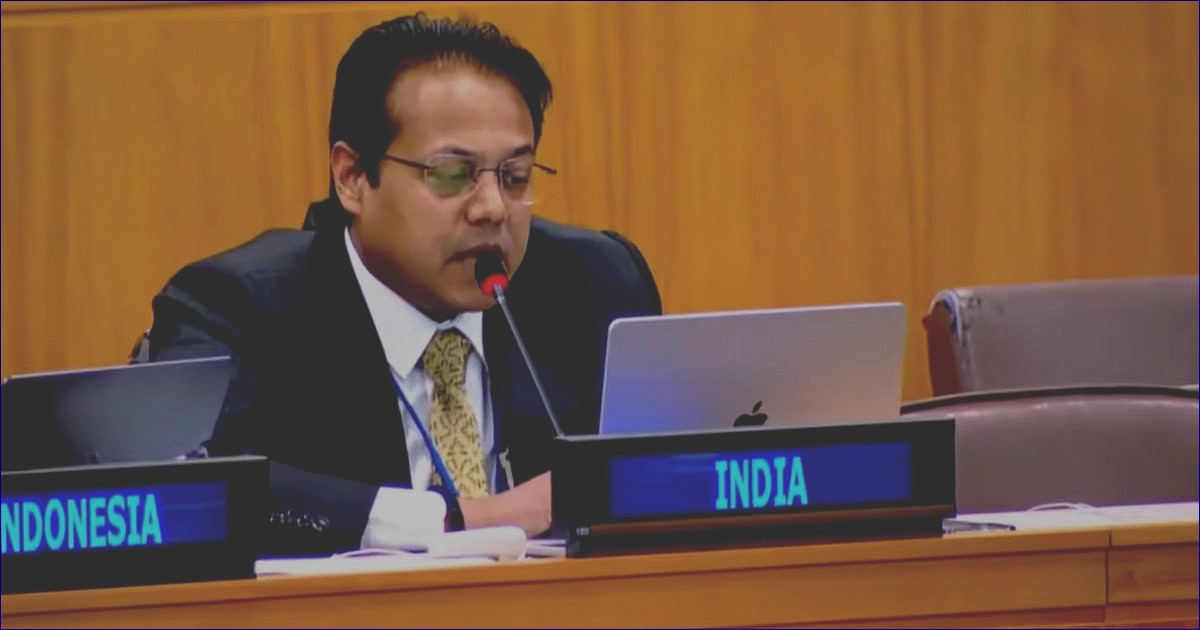
During a statement at the 81st Session of the UN General Assembly, Anuj Swarup, First Secretary in India’s Permanent Mission to the UN, criticized the claims made by Special Rapporteur Gina Romero. He highlighted that these claims, which suggested that young people in India encounter negative consequences for discussing issues like mental health and gender justice, were based on unreliable sources.
Swarup stated, “These sweeping accusations against the world’s largest youth population are built on anonymous and unverified claims. This is not evidence; it is hearsay disguised as a UN report, and we reject it completely.”
Criticism of Methodology
Swarup also questioned the methodology used by the Special Rapporteur. He remarked, “Relying on anonymous input to generalize about 1.4 billion people undermines the very role she has. We urge her to verify facts before making such damaging statements and to apply greater rigor and fairness in her reports.”
In her report, Romero mentioned the emergence of a “satirical political movement” among India’s youth, referencing the Cockroach Janata Party. She alleged that young people in India reported facing backlash for speaking out on important social issues.
Swarup contended that such reports contribute to the diminishing credibility of UN institutions.
India’s Commitment to Democratic Values
He reassured that fundamental freedoms, including the rights to free speech and assembly, are enshrined in Article 19 of the Indian Constitution and are safeguarded by an independent judiciary. Swarup pointed out the irony in a youth movement that critiques the government while also engaging in dialogues with its leaders.
“In what repressive state does a satirical youth party take to the streets, challenge the government, and sit down with senior officials?” he questioned.
Swarup referenced recent remarks from the UN High Commissioner for Human Rights, who acknowledged that open dialogue with young leaders is crucial for youth movements in India.
Proactive Engagement with Youth Concerns
He noted that the Indian government has proactively responded to youth concerns. For example, after students protested regarding issues with public examinations, the government engaged positively, leading to significant amendments in the Public Examinations Act — including harsher penalties for exam fraud and establishing fast-track courts for related cases.
“This demonstrates real democracy in action. The youth symbolize our strength and shared future,” he added, recalling Prime Minister Narendra Modi’s belief that the potential of youth will elevate the nation’s capabilities.
Swarup also highlighted that more than five million young individuals participated in this year’s Viksit Bharat Young Leaders Dialogue, helping to shape national policies alongside the Prime Minister.
He affirmed that both the Prime Minister and various ministers maintain direct communication with the youth, utilizing social media to foster engagement and dialogue.
