
Kochi’s Last Jewish Voices: A Cultural Heritage at Risk
KOCHI, India — As dusk fell over the historic Jew Town in Kochi, Keith Hallegua, the last local Jew, made his way to the 458-year-old Paradesi Synagogue. It was Shavuot, a significant Jewish holiday that celebrates God giving the Torah to Moses. Hallegua prepared to pray alone, as there were not enough attendees for a communal service.
Hallegua is a unique figure—he represents the dwindling population of Jews that once thrived in this area.
Nearby, at the Kadavumbagam Synagogue, Elias “Babu” Josephai reflected on cherished memories of his grandmother’s cooking, specifically the ‘chukkunda,’ a fried dough ball traditionally made for Shavuot.
The Last of Their Kind
Josephai, along with Hallegua, now embodies the final chapter of the Cochin Jewish community. Historically, this community lived peacefully alongside Hindus, Muslims, and Christians in a climate free from fear and antisemitism. Today, only about 5,000 Jews remain in all of India, the world’s largest country by population.
The history of Kochi’s Jewish community is layered with both religious freedom and past divisions. Hallegua belongs to the Paradesi Jews, descendants of Sephardic Jews who fled the Spanish Inquisition. Josephai identifies as a Malabari Jew, whose ancestors trace back over 2,000 years. Though the community is now united outside of India, the shadows of their past divisions linger.
Despite rarely crossing paths, the two men share a deep pride in their age-old traditions. Josephai devoted years to restoring the Kadavumbagam Synagogue, now the last functioning Malabari house of worship. Often, he finds himself lighting lamps and saying prayers alone, mourning the days when the space buzzed with life.
Efforts to Preserve a Legacy
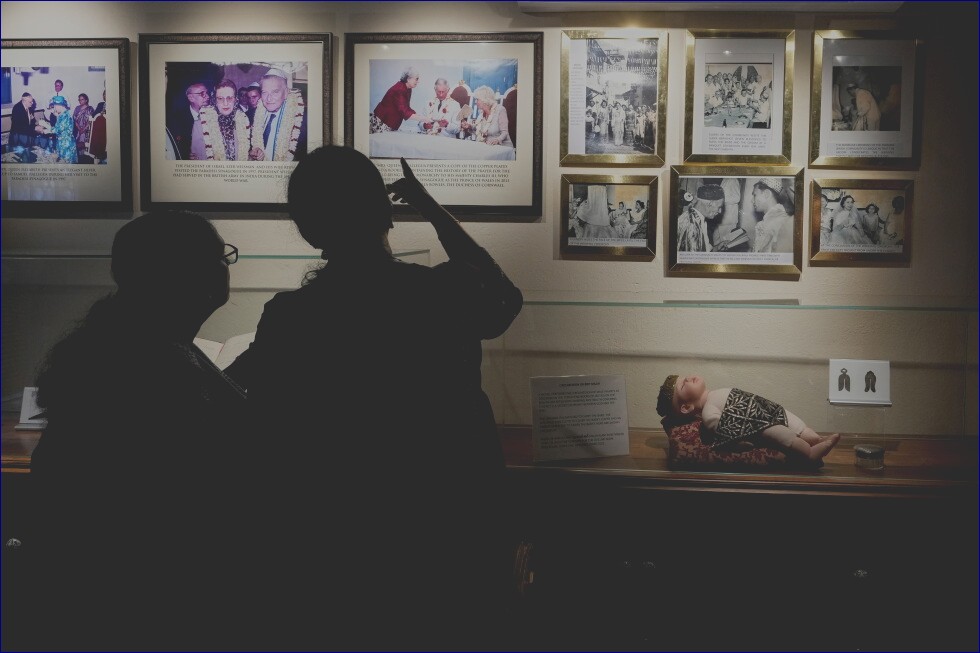
Recently, tourists have flocked to the Paradesi Synagogue, conveniently located on Synagogue Lane, now filled with antique shops and spice warehouses. Historically, the Kochi Jewish community was instrumental in the spice trade.
Synagogue trustee M.C. Praveen, a Hindu who grew up in Jew Town, is committed to preserving this rich history. He aims to ensure future generations know about the community and its past, drawing from the wisdom of its former residents and their descendants.
Josephai and Hallegua both wish for their histories to be remembered, especially after they are gone. “I believe my last breath should be inside this synagogue,” Josephai stated, reflecting his devotion.
Meanwhile, Thaha Ibrahim, a Muslim shop owner, honors the Jewish traditions he learned from his late neighbor, Sarah Cohen. He runs her embroidery shop and actively participates in Jewish celebrations, highlighting the strong bonds formed beyond religious lines.
Shared Cultural Heritage
Overall, the existing synagogues serve as a reminder of the melding of faiths and communities. Local efforts aim to keep the Jewish culture alive even as its numbers decline. Josephai hopes a Jewish organization will manage the synagogue once he’s gone, ensuring that the legacy continues.
“I was born a Jew in India and I shall die in India, a Jew,” Hallegua stated, acknowledging the bittersweet connection he shares with his homeland and its history.
In this melting pot of cultures, the stories of Hallegua and Josephai remind us of the importance of memory, preserving legacies, and the power of human connection in a world ever-changing.
