
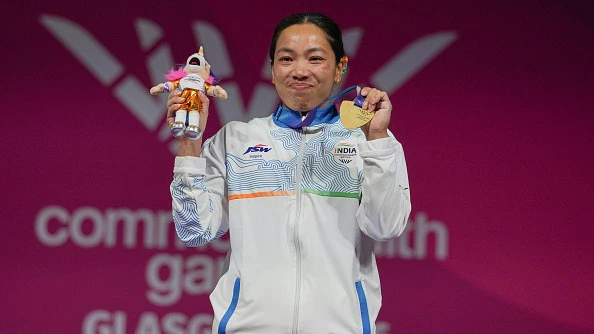
India’s Performance at the 2026 Commonwealth Games: A Mixed Bag
India wrapped up the 2026 Commonwealth Games with a commendable fourth-place finish, bringing home a total of 39 medals: 13 gold, 17 silver, and 9 bronze. This was a noteworthy achievement, considering it was one of the most streamlined editions of the Games in recent years.
Australia, England, and Canada topped the medal tally, while the hosts, Scotland, matched India in the total medal count but fell behind due to fewer silver medals. Yet, despite the strong showing, the numbers tell only part of the story.
Missing Sports and Missed Opportunities
This year’s Glasgow Games saw a marked reduction in the number of sports, with only 10 disciplines featured. Key events that usually see India shine—like shooting, wrestling, badminton, and table tennis—were notably absent, limiting the country’s chances to win medals.
These sports have historically been major contributors to India’s success at the Commonwealth Games. For example, shooting delivered a remarkable 27 medals in the last Games in Gold Coast in 2018. Wrestling added 12 medals at Birmingham 2022, badminton brought in 6 medals, and table tennis contributed 7 medals. Together, these four sports accounted for 52 medals when they participated last.
While it’s tempting to think about the possible medals that could have been won, it’s important to recognize that each Games has its own unique challenges and competition levels. Nonetheless, it does highlight the depth of talent that India couldn’t fully leverage this time around.
Highlights from the Games
Despite the absence of traditional medal-winning sports, India’s performance was well-rounded. Boxing led the charge with an impressive haul of 10 medals, including 7 golds, while athletics also had a strong showing. However, it’s worth noting that the boxing competition was relatively less challenging, impacting the overall competitiveness.
Other sports like weightlifting, judo, and para sports contributed significantly to India’s overall tally, showcasing a broader range of success and indicating a growing sporting ecosystem in the country.
Still, one can’t help but wonder how the results would have shaped up with a full slate of sports available.
Looking Ahead: Potential for the Future
Had India’s usual medal-winning sports been added to the Glasgow schedule and performed as they typically do, the country could realistically have aimed for over 70-75 medals, putting them in a position to contend closely with Canada for third place.
As it stands, India leaves Glasgow with 39 medals—a noteworthy achievement that underscores their growth, yet it also serves as a reminder that the nation’s full potential was not on display.
The 2030 Commonwealth Games in Ahmedabad is expected to be a different story, likely featuring a more familiar sports lineup. If key sports like shooting, wrestling, badminton, and table tennis return and deliver performances akin to their past successes, the 39 medals from Glasgow may end up being just a glimpse of what India can truly achieve.
