
Senator Ron Johnson Advocates for Nonpartisan Election Integrity Measures
Senator Ron Johnson of Wisconsin has reacted to New Jersey Governor Mikie Sherrill’s recent acknowledgment of a significant voting issue in their state. Over 6,600 non-citizens were mistakenly registered to vote due to a software error, with 400 actually casting ballots. Johnson emphasizes that ensuring election integrity, which includes requiring voter IDs and cleaning up voter rolls, should be a nonpartisan effort to help restore public trust in American elections.
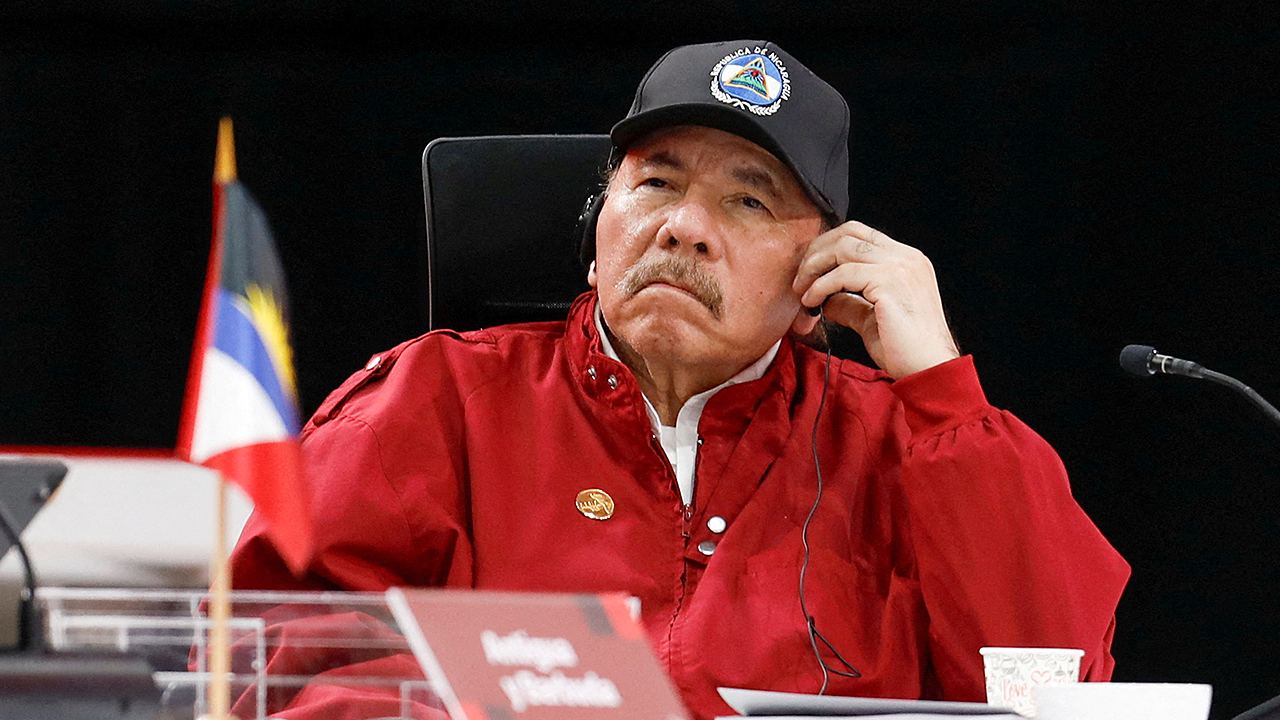
Nicaragua’s Congress Moves to End Elections
In a controversial decision, Nicaragua’s lawmakers announced plans to abolish future elections, following President Daniel Ortega’s declaration that no more elections will occur. This announcement has stirred outrage among the international community.
The Nicaraguan congress, under the control of Ortega and his wife, Rosario Murillo, stated that these constitutional changes would foster “peace, security, and stability” in the country. Ortega has made it clear that he believes there will be no more elections that could challenge his government.
During a recent speech, Ortega highlighted that the time of power transfers to opposition parties backed by the U.S. is over, vowing that his administration would not allow any such attempts. This declaration effectively shuts down any possible challenges from opposition groups and solidifies Ortega’s and Murillo’s grip on power after significant constitutional reforms in 2025 that expanded presidential authority.
Nicaragua’s upcoming elections, set for November 2027, are now considered canceled, with Ortega maintaining power until early 2028. Critics argue that Ortega has steadily removed real competition since 2011.
Many opposition leaders have faced imprisonment or exile, with their parties losing legal status. The UN has accused Ortega’s government of violating human rights and systematically cracking down on dissent. This crackdown escalated during protests in 2018, resulting in over 300 deaths.
Ortega’s announcement has drawn harsh condemnation from foreign governments, including the United States, which labeled his regime as authoritarian. U.S. Secretary of State Marco Rubio highlighted the Nicaraguan people’s right to choose their leaders through democratic means and called for international unity to oppose the Ortega-Murillo dictatorship.
The U.S. has taken steps against Ortega’s government, including sanctions and visa restrictions affecting more than 2,350 officials and their families. UN human rights chief Volker Türk criticized the legislative move, asserting that everyone deserves the right to vote and hold office.
As the situation unfolds, the international community continues to closely watch Nicaragua’s political landscape.
