
New Delhi, India
By Reuters
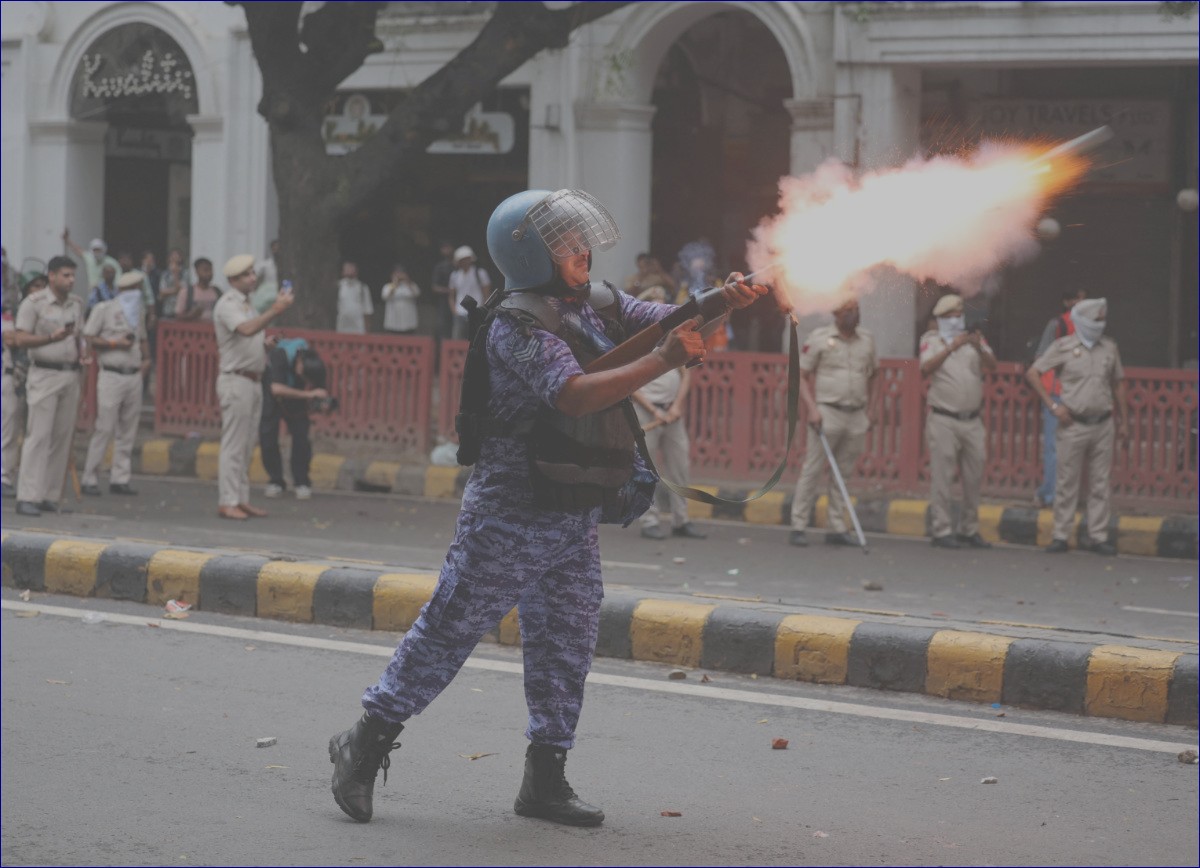
On Monday, the youth-driven Cockroach Janta Party (CJP) announced that a federal minister has vowed to consider their demands as thousands of protesters rallied outside parliament. This demonstration comes despite police efforts to disperse the crowds using tear gas and batons.
This ongoing movement marks one of the most significant challenges to Prime Minister Narendra Modi during his third term, gaining traction on social media and attracting attention from various opposition groups.
The protests intensified after police forcibly transferred hunger-striking activist Sonam Wangchuk to a hospital on Saturday. Wangchuk and the CJP are calling for the resignation of Education Minister Dharmendra Pradhan due to allegations of widespread corruption following exam paper leaks.
In May, a leaked exam for a national medical school entrance forced around two million students to retake the test, leading to tragic consequences with reports of students taking their own lives. Supporters consider this incident indicative of deeper issues within the education system.
Thousands camped out overnight at New Delhi’s Jantar Mantar, ready to march as lawmakers gathered for the start of the parliamentary monsoon session. Chants of “Quit, quit!” filled the air, with demands for both Pradhan and Modi to resign.
Authorities deployed numerous police and paramilitary forces throughout the city, attempting to manage the situation as protesters waved national flags and expressed their grievances.
Protests Spread Across Major Cities
Demonstrations also erupted in Mumbai, Bangalore, and Goa. In Bangalore, police detained several protesters, while in Goa, people held a candlelight vigil, urging Modi to step down.
Health Minister JP Nadda has indicated a willingness to engage with the CJP about their demands, including the release of Wangchuk, Pradhan’s resignation, and compensation for families of students who lost their lives due to the exam crisis.
According to reports, around a dozen students have died by suicide related to the situation. Nadda mentioned that a memorandum detailing the CJP’s concerns was submitted after discussions with their leaders, appealing for an end to the protests to restore normalcy.
A Wave of Frustration
The rising popularity of the CJP reflects a growing frustration among young Indians over rampant issues like job shortages and frequent exam leaks. Many young people are feeling disillusioned with the education system, fueling their participation in these protests.
As the protests escalated, some individuals voiced their anger, emphasizing the need for an end to corruption in education. Reports indicated that police responded with tear gas and also faced stone-throwing protesters in some areas.
Mohammed Tabrez, a 22-year-old student traveling from Amroha, was clear about his purpose for protesting, stating, “We want this corruption to end.”
Delhi police have urged the demonstrators to remain peaceful and cooperate with law enforcement to keep order.
Hunger Strike Conditions
CJP founder Abhijeet Dipke and his supporters initiated a sit-in last month, pushing for Pradhan’s resignation, with Wangchuk joining the movement on June 28 and starting a hunger strike.
Wangchuk has expressed his willingness to end his fast if the government addresses the failures in the education system and meets with him, even if temporarily, to discuss solutions.
In light of these critical events, the situation continues to unfold, with many eyes on the government’s response to the protesters’ demands.
