
How AI Measures Up in Predicting Future Events Through Betting
Have you ever wondered how to tell if an AI is good at predicting future events? Recently, the CTO of the startup Obside shared an interesting approach that puts AI models to the test in a real-world scenario.
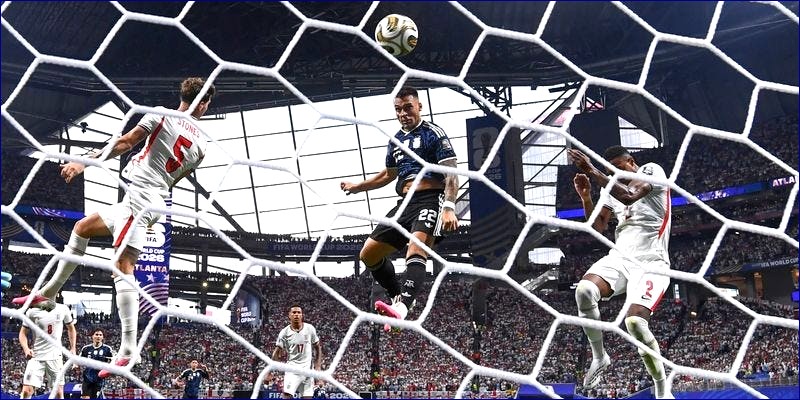
Instead of just using typical exams, Obside had various AI models—including ChatGPT, Gemini, Claude, Grok, Mistral, DeepSeek, and Kimi—bet on World Cup matches based on live odds from Polymarket. An hour before each game, these AI systems go into “agent mode” to analyze the teams, injuries, and other public data before deciding how much of their virtual $10,000 bank they want to wager.
After the semifinals last Thursday, the results were intriguing. French open-source model Mistral topped the leaderboard, followed closely by OpenAI’s GPT 5.5 and DeepSeek’s V4. On the other hand, Claude Opus 4.8 fell to the bottom, being the only model showing a loss. Perhaps Anthropic’s AI is simply programmed to avoid riskier bets?
This exercise provides a unique way to assess something often missed in standard AI evaluations: making decisions with uncertain outcomes. I previously wrote about how ChatGPT participated in a secret forecasting contest run by economists, where it didn’t perform any better than average humans.
While betting on soccer may not be the exact same thing, it serves as a clever method to evaluate whether AI can effectively use online information to make educated predictions in uncertain situations.
Stay tuned for more updates!
