
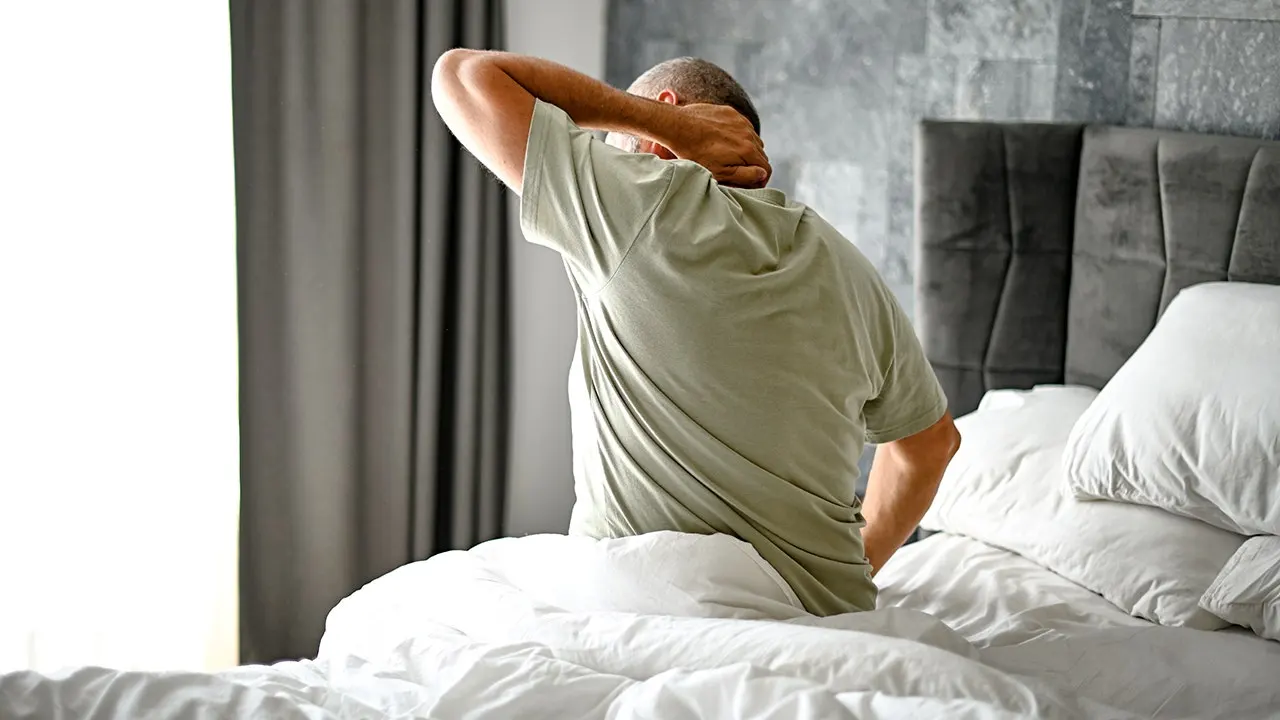
Call for Permanent Daylight Saving Time Gains Support
In a lively discussion, Sean Davis, the CEO and co-founder of The Federalist, and comedian Joe Machi are urging for the permanent adoption of daylight saving time. Davis playfully remarked that “mornings are stupid,” expressing a wish for more sunlight in the afternoon when most people are awake. Machi added that having children see daylight during evening pick-up times from after-school activities brings a sense of safety and joy.
New research suggests that soaking up more daylight during the day might lead to better sleep. According to a study from the University of Manchester, adults exposed to brighter and consistent daylight tended to fall asleep earlier, wake up sooner, and enjoy more restorative sleep in the initial part of the night. This study observed over 500 days of data from 89 adults who wore light sensors and kept sleep diaries.
The findings, published in the journal NPJ Biological Timing and Sleep, reveal that those who spent more time in bright daylight not only had earlier bedtimes, but also woke up feeling refreshed. Participants with steadier exposure to daylight displayed an overall healthier sleep pattern.
Dr. Jennifer Martin, a clinical psychologist at Florida International University, noted that the study aligns with established knowledge about how light affects our sleep cycle. She explained that light has a clear impact on our bodies, starting with our eyes. When light hits certain cells in the retina, it signals to the brain that it’s daytime, prompting alertness and activity.
Morning light, in particular, is beneficial, as it helps maintain a regular sleep-wake cycle. Dr. Martin recommends spending time outside early in the day when possible. She emphasizes that regular exposure to morning sunlight helps individuals feel sleepy at a consistent time each evening, supporting a better sleep routine.
Limiting bright light in the evening can also enhance sleep quality. Dr. Martin suggests avoiding bright screens in the two hours leading up to bedtime and establishing a consistent wake-up time each morning. She warns that varying wake times by more than an hour can lead to feelings similar to ‘jet lag’ and make good sleep elusive.
Dr. Martin encourages adults to aim for at least seven hours of sleep each night and consult a sleep specialist if sleep issues persist. While this research shows an interesting link between daytime light exposure and sleep patterns, the authors note some limitations. They observed an association but did not confirm a direct cause-and-effect relationship. Additionally, they measured light exposure using wrist devices rather than at the eyes, where the crucial effects of light take place, and did not account for other influencing factors like physical activity or meal times.
As further studies are conducted, the conversation around public policies like permanent daylight saving time continues to evolve, with experts highlighting the importance of sunlight for our health and well-being.
