
Trump Signals Tough Stance on Iran at NATO Summit
During the recent NATO summit in Ankara, President Donald Trump expressed his deep frustration with Iranian negotiators, accusing them of dishonesty. He suggested that the U.S. might escalate its actions without reaching an agreement with Iran, saying, “These people, they lie and they cheat.” This tension raises critical questions about who in Iran holds power to negotiate and enforce any potential agreements, especially following the death of Ayatollah Ali Khamenei.
With Mojtaba Khamenei succeeding his father as the new supreme leader, there is uncertainty about the distribution of authority in Tehran. Since taking power, Mojtaba has not made any public appearances, leading analysts to point out that decision-making may now be split among senior military leaders and influential politicians. Key figures like Iran’s Parliament Speaker Mohammad Bagher Ghalibaf have emerged as significant players in this shifting political landscape.
Banafsheh Zand, an Iranian-American journalist, highlights that power dynamics have shifted since Khamenei’s death, complicating negotiations with the U.S. She notes that the Islamic Revolutionary Guard Corps (IRGC) now plays a dominant role, and those negotiating with the U.S. might not represent the consensus of all leaders in Iran.
Despite Trump’s tough words, experts suggest that the possibility of diplomacy isn’t entirely off the table. Behnam Ben Taleblu from the Foundation for Defense of Democracies warns that any significant U.S. military buildup or new sanctions could clarify Washington’s intentions. Meanwhile, Tehran seems poised to continue its assertive actions, even if it risks sanctions relief and military escalation.
The regime’s confidence appears to stem from its belief that maintaining a hardline stance is crucial for its survival. Analysts argue that Iran’s leadership views any concession as compromising its power while simultaneously exploiting instability to gain leverage over U.S. interests in the region.
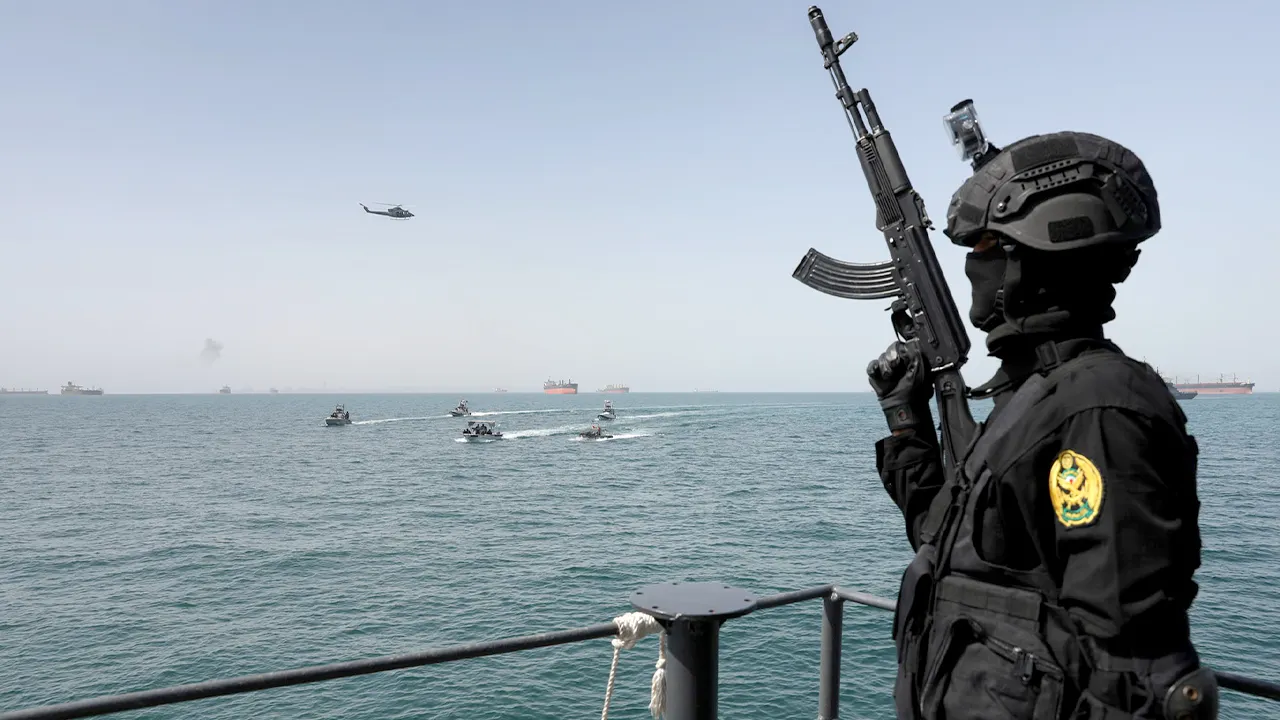
Decisions made in Tehran may not reflect a unified strategy, complicating potential negotiations. A recent source mentioned that Iran interprets agreements related to the Strait of Hormuz differently from the U.S., leading to conflicting understandings.
Overall, the ongoing tension between the U.S. and Iran reflects a complex landscape, with both sides navigating a web of misunderstandings and competing interests. Whether negotiations can proceed remains a significant question amidst these challenges.
