
India’s Water Management Raises Concerns for Pakistan
July 7, 2026 – ISLAMABAD – In a world increasingly focused on fair governance of shared water sources, India appears to be moving in a troubling direction. The Indus Waters Treaty (IWT), a landmark agreement that has been in place for over sixty-five years, serves as a crucial framework for water distribution between India and Pakistan. This treaty has not only been legally significant but has also been vital for Pakistan’s agricultural growth and economic stability.
Thanks to the predictability of water flows established by the IWT, Pakistan has built the Indus Basin Irrigation System (IBIS), which is the largest contiguous irrigation system in the world. It includes extensive reservoirs, barrages, and canals, irrigating about 35 million acres and providing over 90 percent of the country’s food supply.
However, this stability was disrupted in May 2025 when India unilaterally announced it would set the treaty aside, creating substantial alarm in Pakistan. This decision is seen as a serious breach of international law and poses a significant threat to Pakistan’s food and water security. The treaty has long been a pillar of strategic stability in South Asia, but now it raises fears of uncertainty in river flow management.
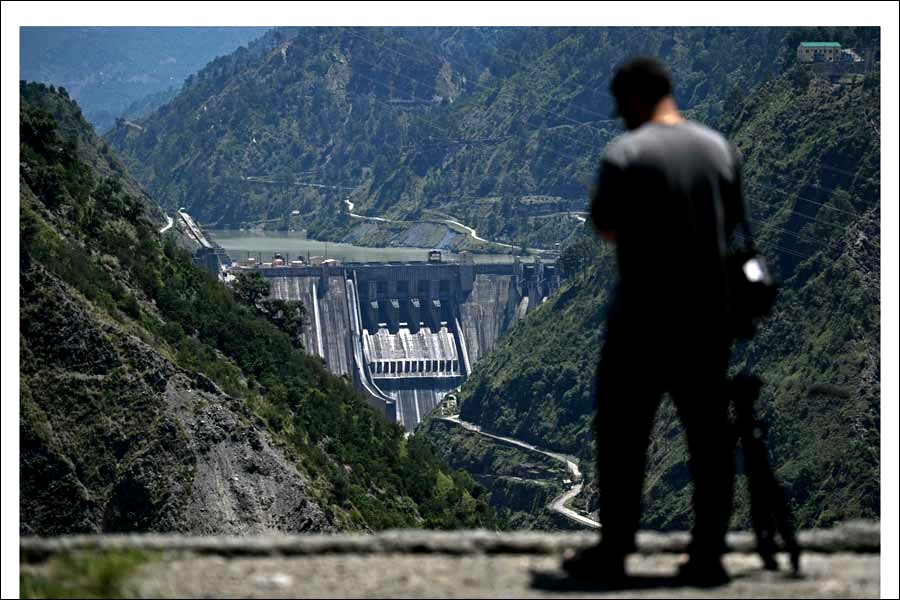
Since India’s announcement, it has accelerated the development of upstream facilities on rivers vital to Pakistan’s water system. This includes projects like the expansion of the Ranbir Canal and the Chenab-Beas Link Tunnel, which could jeopardize Pakistan’s long-term water security.
In addition, India has halted the sharing of critical hydrological data related to these rivers, violating IWT obligations. This lack of timely information has hindered Pakistan’s flood response frameworks, putting lives and livelihoods at greater risk. Such actions not only contradict humanitarian values but also obstruct Pakistan’s efforts to meet Sustainable Development Goals focused on water management.
As Pakistan relies heavily on the upstream flows for its irrigation, agriculture, and overall growth, any disruption can have dire consequences. The Chenab River, in particular, plays an essential role in the irrigation network, and fluctuations in its flow can create widespread impacts on agriculture and economy across the entire Indus Basin.
Pakistan’s worries are not about a single dam or project, but rather the cumulative effect of multiple Indian projects that could restrict its water access. The Chenab River, which carries a significant volume of water crucial for agriculture, is at the center of this growing concern.
To tackle this serious situation, Pakistan needs a comprehensive approach to ensure its water security. This strategy should include diplomatic negotiations, legal recourse, and enhancing its water resource development capabilities.
Firstly, diplomatic efforts must continue to uphold the IWT, utilizing platforms like the Permanent Indus Commission for discussions and information exchange. Engaging international allies and organizations to emphasize the importance of maintaining treaty responsibilities is vital as well.
Secondly, Pakistan should utilize legal mechanisms embedded in the IWT to safeguard its water rights. The treaty has been a cornerstone for three generations, and it is essential to rely on its established frameworks for conflict resolution.
Lastly, Pakistan must prioritize developing its own water infrastructure. Plans to increase storage capacity and improve irrigation efficiency are underway, highlighting the need for investment in modern water management technologies. Projects like the Diamer-Basha and Mohmand dams are critical for enhancing water security and should be expedited.
As the national discourse on water management evolves, it’s crucial for Pakistan to focus not just on disputes but also on strategic investments in water security. The Indus Waters Treaty was founded on the principle that shared water management is vital for peace and mutual prosperity. Upholding this treaty is not merely a legal obligation but essential for Pakistan’s future.
In approaching the challenges ahead, Pakistan must stay confident and proactive, balancing diplomacy and infrastructure development to secure its water needs for the future.
