Close Menu
  • Home
  • World News
  • India News
  • Business News
  • Health
  • Sports
  • Indian Diaspora In US
  • Technology
  • Bollywood
  • Education
Facebook X (Twitter) Instagram
Monday, June 29, 2026
Breaking News
  • Rising Solidarity: New Unions Form in India’s IT and Gig Economy
  • Brazil vs Japan: Carlo Ancelotti Reveals Neymar’s Absence in Round of 32 Showdown
  • Experts Alert: Tick-Borne Virus Expands its Reach Among Americans
  • Iran Announces Team of Specialists Set to Visit Qatar This Week
  • Supreme Court Backs Move to Keep Federal Reserve Governor in Office
  • Virginia Tech Secures $2.84 Million ARPA-E Grant for Innovative Project
  • Exclusive: Dil Raju Teams Up with Dhurandhar for Salman Khan and Vamshi Paidipally’s Upcoming Film!

  • U.S. Military Rallies to Support Venezuela After Devastating Earthquakes
Facebook X (Twitter) Instagram
India Bulletin
Advertisement
  • Home
  • World News
  • India News
  • Business News
  • Health
  • Sports
  • Indian Diaspora In US
  • Technology
  • Bollywood
  • Education
India Bulletin
Home»Health»Experts Alert: Tick-Borne Virus Expands its Reach Among Americans
Health

Experts Alert: Tick-Borne Virus Expands its Reach Among Americans

June 29, 20263 Mins Read
Facebook Twitter Email
Share
Facebook Twitter Email


Rare Tick-Borne Illness Spreading Across the U.S.

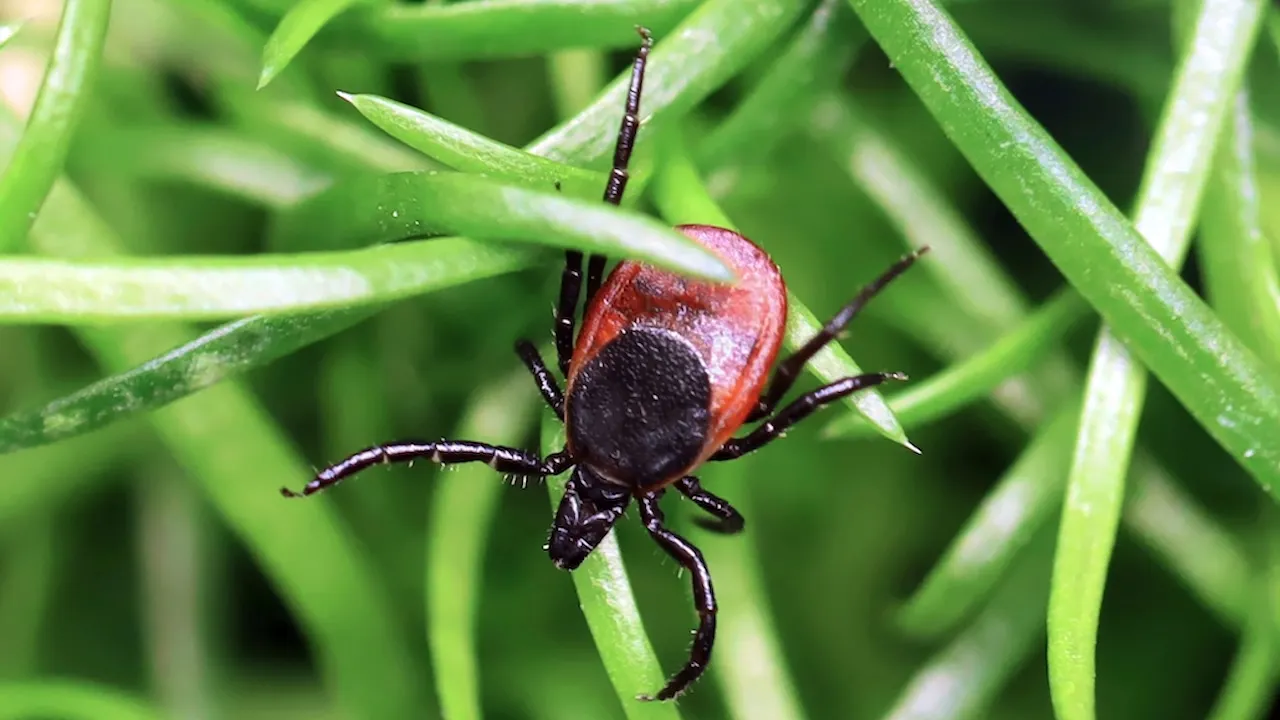
A rare and potentially deadly tick-borne illness is currently on the rise in the United States, with roots tracing back to a case from 1958 involving a young boy. The disease, known as the Powassan virus, got its name from a town in Ontario where it was first identified.

Lincoln Byers, a 4-year-old boy from Canada, sadly lost his life due to an unexplained illness. Years later, researchers found a tick carrying the Powassan virus on a deceased squirrel, shedding light on Lincoln’s case and highlighting a looming public health concern.

Once seen as a rare occurrence, cases of the Powassan virus have surged in America. The Centers for Disease Control and Prevention (CDC) reports that in 2025, 76 people were diagnosed with the virus, the highest number recorded, compared to an average of just seven to eight cases annually in the past.

Transmission and Risks

The Powassan virus spreads primarily through the bites of infected woodchuck or deer ticks. The virus is most commonly found from late spring to mid-fall, coinciding with peak tick activity and increased outdoor activities.

Public health experts warn about the speed at which the virus can spread. “One of the most dangerous aspects is its rapid transmission,” said Dr. Jorge P. Parada, a medical advisor. Unlike Lyme disease, which usually requires a tick to stay attached for 36 to 48 hours for transmission, the Powassan virus can be passed on in just 15 minutes.

Symptoms and Severity

While cases of Powassan are still rare when compared to Lyme disease, health experts consider it a concerning threat. Dr. Marc Siegel emphasized that once contracted, there is an incubation period of one to four weeks before symptoms appear. Early signs include fever, headache, vomiting, and weakness; however, some people may not show any symptoms at all.

The virus can lead to severe neurological complications, such as encephalitis (inflammation of the brain) and meningitis (inflammation of the membranes around the spinal cord). Severe cases could result in confusion, coordination issues, difficulty speaking, and seizures. About 10% of severe cases can be fatal, and many survivors may face long-term neurological problems.

Current Treatment and Prevention

As of now, there are no specific treatments or vaccines to combat the Powassan virus. Supportive care, such as intravenous fluids and respiratory assistance, is the primary approach for managing the illness. Although anyone can become seriously ill from this virus, children, older adults, and individuals with weakened immune systems are at higher risk.

Health experts continue to raise awareness about the Powassan virus as cases increase and more people venture outdoors during peak tick season.

Health infectious disease insects lifestyle outbreaks outdoor living real estate lifestyle rare diseases viruses
Share. Facebook Twitter Email
admin
  • Website

Related Posts

From 1776 to Today: The Surprising Rise in American Lifespan and Its Secrets

June 29, 2026

Health Department Budget Signifies Steady Operations Amid Funding Uncertainties

June 28, 2026

Chandrababu Champions a Return to India’s Joint Family Tradition

June 28, 2026
  • Facebook
  • Twitter
  • Instagram
Don't Miss

Rising Solidarity: New Unions Form in India’s IT and Gig Economy

Brazil vs Japan: Carlo Ancelotti Reveals Neymar’s Absence in Round of 32 Showdown

Experts Alert: Tick-Borne Virus Expands its Reach Among Americans

Iran Announces Team of Specialists Set to Visit Qatar This Week

Started in 2004, India Bulletin is the largest and
most read South Asian publication
in Chicago and surrounding Midwest.

  • Home
  • About Us
  • Contact
  • Advertise With Us
  • Privacy Policy
  • Terms of Use
  • Disclaimer
  • CCPA
News
  • Bollywood
  • Business News
  • Health
  • India News
  • Indian Diaspora In US
  • Sports
  • Technology
  • World News
Facebook X (Twitter) Instagram

Type above and press Enter to search. Press Esc to cancel.

Accessibility Adjustments

Powered by OneTap

How long do you want to hide the toolbar?
Hide Toolbar Duration
Select your accessibility profile
Vision Impaired Mode
Enhances website's visuals
Seizure Safe Profile
Clear flashes & reduces color
ADHD Friendly Mode
Focused browsing, distraction-free
Blindness Mode
Reduces distractions, improves focus
Epilepsy Safe Mode
Dims colors and stops blinking
Content Modules
Font Size

Default

Line Height

Default

Color Modules
Orientation Modules