
Senator Sheehy Critiques Iran’s Actions Amid Ongoing Nuclear Negotiations
Senator Tim Sheehy, a Republican from Montana, has expressed serious concerns regarding the latest negotiations surrounding Iran’s nuclear program. He warns that the Iranian government is using these talks to buy time, pointing to Iran’s long history of threatening global stability, including its stated aim to “wipe our civilization off the map” and its ongoing support for groups labeled as terrorist organizations, such as Hezbollah and Hamas. Sheehy advocates for strong support of U.S. allies in the Middle East, particularly Israel and the United Arab Emirates, to counter this escalating threat.
In a related discussion, foreign policy experts emphasize the need for the Trump administration to closely monitor Iran’s relationships with proxy groups like Hezbollah, which has a history of violence against Americans. A U.S.-Iran agreement currently being discussed does not refer to Hezbollah directly but indicates a desire to end military engagements in Lebanon and surrounding regions.
Lisa Daftari, editor-in-chief of an online publication, emphasizes the significance of Hezbollah as a strategic weapon for Iran. According to Daftari, Hezbollah has been cultivated over decades as a direct threat to Israel and losing this group would be more damaging to Iran than the loss of strategic locations like the Strait of Hormuz.
Secretary of State Marco Rubio has responded to inquiries about Hezbollah during a recent visit to the UAE. He insisted that despite Hezbollah not being mentioned explicitly in the negotiations, the issue remains integral to regional stability. Rubio argues that peace in the region can’t be achieved while Iranian-backed groups continue their aggressive actions.
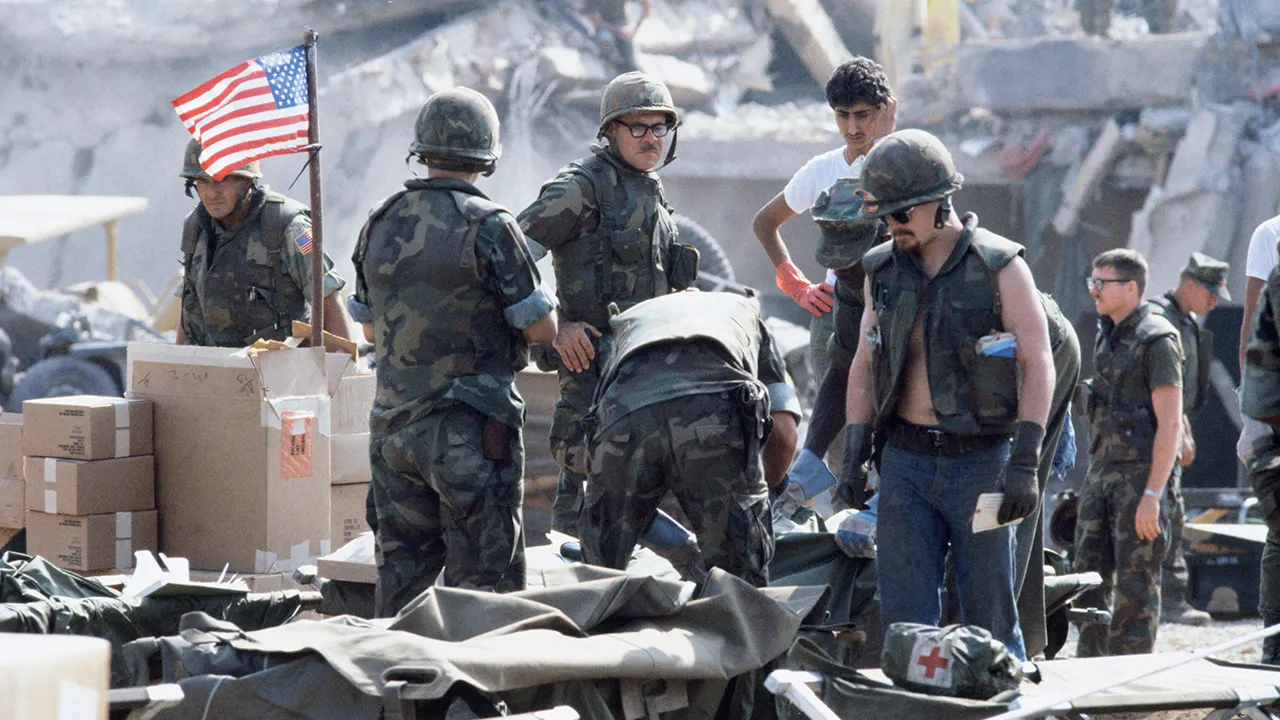
Hezbollah, designated as a Foreign Terrorist Organization by the U.S. since 1997, has a long history of antagonism toward American interests, notably beginning with the bombing of U.S. Marine barracks in Beirut in 1983. Bill Roggio, a senior fellow at the Foundation for Defense of Democracies, highlights the group’s continued involvement in deadly attacks on U.S. soil and abroad.
The plight of Lebanese-American Amer Fakhoury, who suffered torture while detained by Hezbollah, has further underscored the urgency of addressing Iran’s influence. Fakhoury’s family is advocating for greater accountability from the Iranian regime and highlights the broader issue of hostages wrongfully held by Iran.
While discussions continue between U.S., Lebanese, and Israeli officials, the Lebanese government stresses its commitment to national sovereignty and stability. The U.S. is actively monitoring the situation and supporting efforts to reestablish stability in Lebanon, free from the influence of Hezbollah.
As the talks progress, experts caution against allowing Iran’s regional proxies to drive the narrative, fearing that including them in negotiations could undermine the stability and future of Lebanon. U.S. officials remain hopeful that increased support to legitimate Lebanese forces will ultimately restore control over the country.
The dialogue between Lebanon and Israel is set to continue, with the U.S. facilitating discussions aimed at ending conflicts and promoting a peaceful resolution.
