
DALLAS, Texas — The 2026 FIFA World Cup is gearing up to be an exciting blend of sports and technology. This year, fans will see a lot more than just the thrilling matches unfolding at venues like AT&T Stadium and other locations across North America.
Lenovo, FIFA’s official technology partner, is leading the charge in enhancing the experience for fans and officials alike. They are involved in everything from broadcasting to refereeing systems, ensuring that the action on the field is both exciting and transparent.
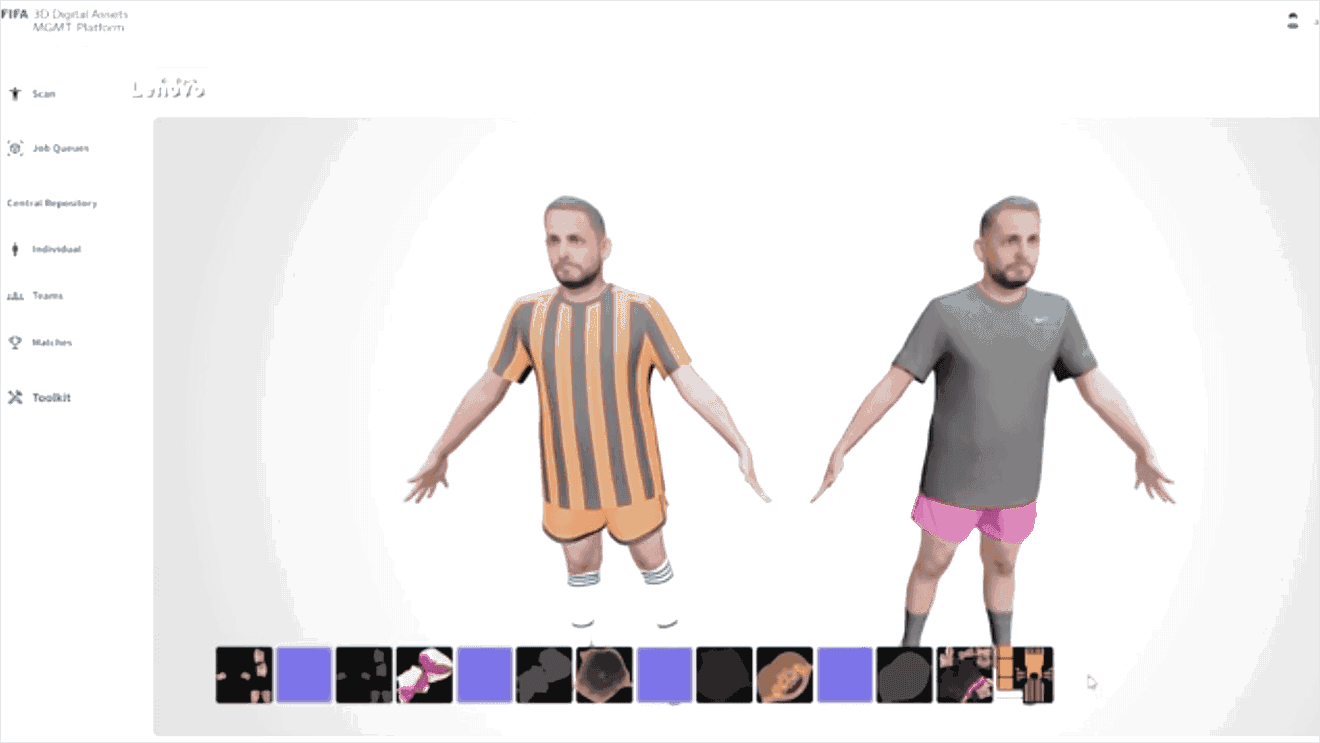
One of the standout features this year is the use of digital player avatars. Before the tournament, players underwent 3D scans to create detailed digital versions of themselves. These avatars are crucial for analyzing plays like offside calls, providing refs and viewers with a clearer perspective on critical moments during the game.
Milo Speranzo, Lenovo’s Chief Marketing Officer for North America, emphasized the importance of these digital tools. “We want to bring fans closer to the game,” he said, noting how the avatars simplify complex decisions for everyone watching.
In addition, this World Cup will introduce stabilized referee cameras. These cameras give a first-person view from the referee’s angle during the game, which can be quite challenging due to constant movement. Thanks to Lenovo’s AI technology, camera shake can be reduced by as much as 50 percent, allowing viewers to follow the action smoothly—even during high-pressure moments like penalty kicks.
Lenovo is also introducing FIFA AI Pro, a platform aimed at making match data more accessible to teams and analysts. This initiative is part of a larger goal to share valuable insights across more teams, not just the well-known ones.
Qualcomm is working alongside Lenovo on this project, providing the necessary processing power and connectivity that support these groundbreaking advancements. Greg Cnossen, from Qualcomm, pointed out that sports often drive innovations that eventually find applications in other fields.
Overall, the 2026 World Cup is shaping up to be unlike any previous tournament, filled with more data, enhanced viewing experiences, and innovative technology that will transform how fans watch and engage with the sport.
