
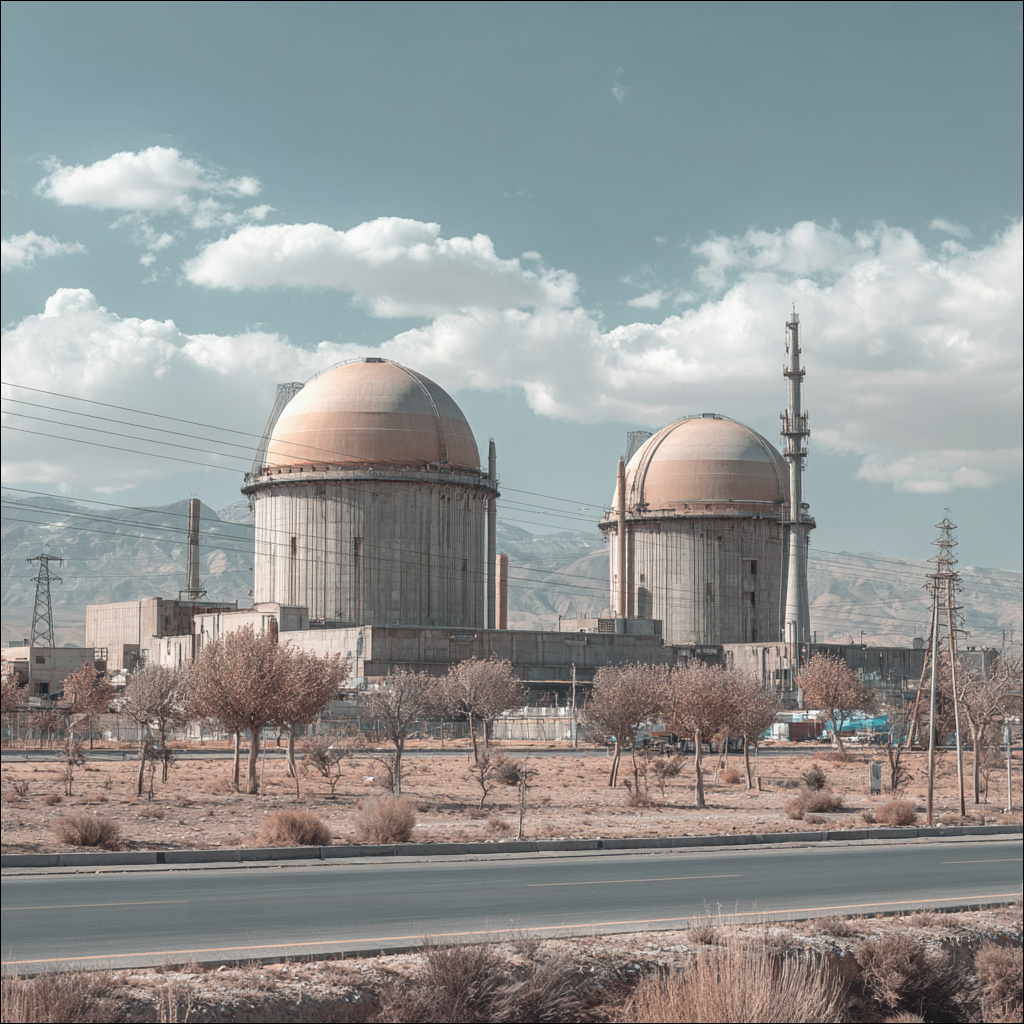
India Restarts Its Oldest Nuclear Reactors
India has brought back online its two oldest commercial nuclear reactors, Tarapur Units 1 and 2, after significant upgrades and receiving regulatory approval. These reactors, located at the Tarapur Atomic Power Station in Maharashtra, were first commissioned in 1969. Initially designed as 200 MWe boiling water reactors, they have since been downrated to 160 MWe.
Importance of the Restart
This restart extends the operating life of Unit 2 by another ten years, with Unit 1 also returning to service after completing its approval process. This move highlights India’s capability to modernize older nuclear plants while maintaining a strong focus on safety regulations.
Upgrades Made
The refurbishment process involved replacing the reactor coolant recirculation piping with corrosion-resistant stainless steel. Additionally, safety improvements such as a filtered venting system and an alternate cooling water system were installed. Evaluations by the regulatory body confirmed that both reactors can operate safely as long as they undergo regular maintenance and monitoring.
Broader Implications
In India, this development is seen as a sign of the country’s growth in nuclear technology and its commitment to industrial self-reliance. Being the world’s oldest operational commercial reactors, the Tarapur units’ revival is also a boost for India’s larger nuclear expansion plans and its efforts to increase low-carbon energy sources.
India’s steps in this direction reflect its ambition to enhance energy security while contributing to global sustainability efforts.
