
Peruvian Presidential Runoff: A Key Vote for the Nation and the Region
On June 7, Peruvians will head to the polls for a crucial presidential runoff, which could shape the country’s future and influence political balance in Latin America.
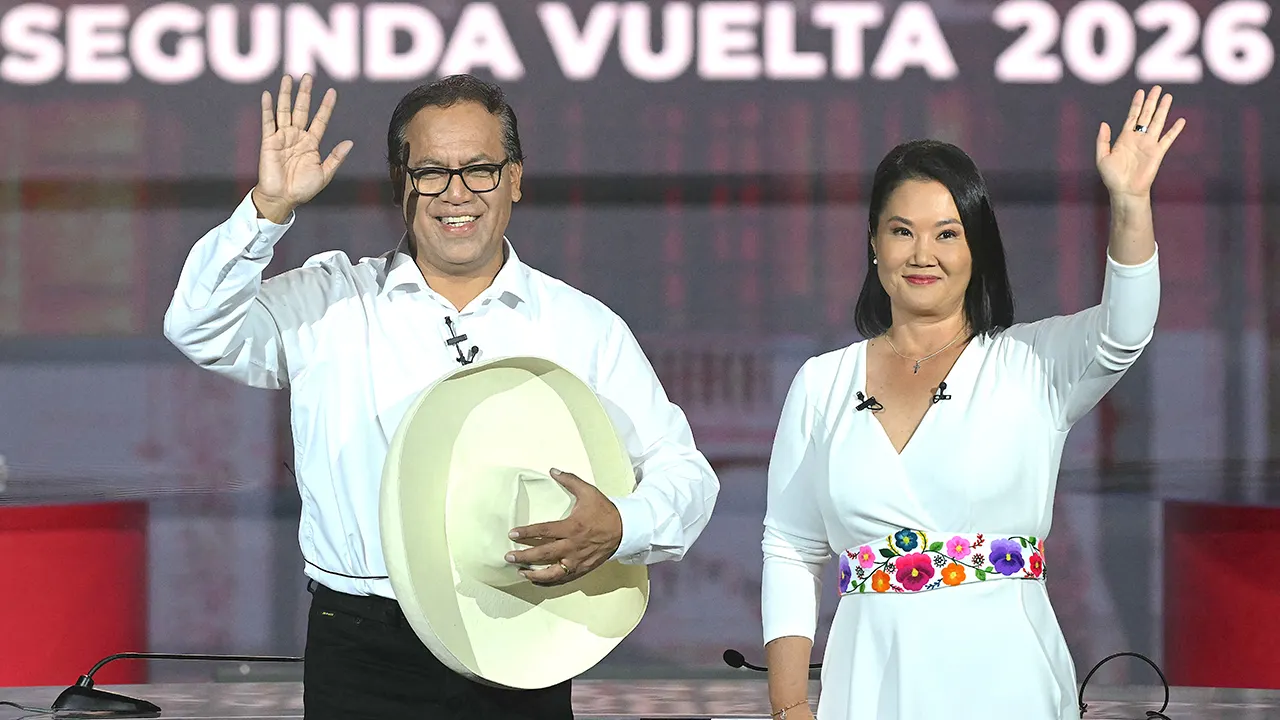
The election features two main candidates: Keiko Fujimori, a conservative, and Roberto Sánchez, who leans to the left. Fujimori is promoting a platform focused on law and order, free markets, and stronger ties with the United States. In contrast, Sánchez represents a political movement that many believe continues a leftist trend that often opposes U.S. interests in the region.
José Ignacio Beteta, head of the Asociación de Contribuyentes, a Peruvian think tank, emphasized that the results of this election could impact more than just Peru. He stated that it will determine if Peru remains aligned with the U.S. or leans towards geopolitical tensions, especially given China’s increasing influence in important sectors.
Beteta further explained that this election poses a clear choice: a return to more pro-business and secure policies with Fujimori, or an attempt at leftist governance with Sánchez, reflecting broader ideological divisions in South America.
Peru has experienced significant political instability over the last decade, with numerous presidents being ousted. The divisions between urban and rural voters add another layer of complexity to this upcoming election.
Predictive analyses indicate a tightly contested race, and final results may take several days to confirm.
For the United States, this election is not just about Peru’s internal politics. It is a reflection of wider political trends in Latin America, where several countries have recently shifted towards conservative governments, including Argentina and Ecuador, which have shown friendlier relations with the U.S.
If Fujimori wins, it could reinforce a pattern favoring tough crime policies, increased collaboration with the U.S., and market-oriented economic strategies.
Fujimori has stated her commitment to fostering a stable and open environment for international investment, highlighting Peru’s strategic importance in the region.
On the other hand, Sánchez’s platform includes nationalizations and economic policies that could stoke tensions with the U.S. He has criticized military purchases from the U.S. and some analysts have raised concerns over his connections to illegal activities.
Lucas Ghersi, a legal expert, has noted the stark differences between the two candidates. While Fujimori is viewed as someone who would maintain a positive rapport with the U.S., Sánchez’s approach could lead to challenges in those relations.
As the election approaches, both candidates are keenly aware of the importance of this decision for the future of Peru and its position on the global stage.
Voting in Peru is mandatory for citizens aged 18 to 70, with over 27 million registered voters expected to participate in this significant event.
