Close Menu
  • Home
  • World News
  • India News
  • Business News
  • Health
  • Sports
  • Indian Diaspora In US
  • Technology
  • Bollywood
  • Education
Facebook X (Twitter) Instagram
Tuesday, July 7, 2026
Breaking News
  • Former Afghanistan Fast Bowler Shapoor Zadran Passes Away at 38 Following Long Illness
  • Magnum Ice Cream Launches Innovative RD&I Center in India
  • NATO Allies Join Forces on Essential Defense Materials, Rutte States
  • Chinese Student, 20, Secures $317K Contract with Dazzling AI Speed Radar Crafted in Just 9 Days
  • Meet Rohansh and Abeer: The Next Generation of Bollywood Talent, Sons of Lalit Pandit
  • Israel Strengthens Jordan Border Security in Response to Rising Terror Concerns
  • Cristiano Ronaldo: Elevating Portugal Beyond the World Cup Glory
  • Centre Highlights: Diljit Dosanjh’s ‘Satluj’ Launches Ahead of Certification Completion
Facebook X (Twitter) Instagram
India Bulletin
Advertisement
  • Home
  • World News
  • India News
  • Business News
  • Health
  • Sports
  • Indian Diaspora In US
  • Technology
  • Bollywood
  • Education
India Bulletin
Home»Technology»Survey Reveals Americans Prefer Distance from AI Data Centers, Open to Alternatives Nearby
Technology

Survey Reveals Americans Prefer Distance from AI Data Centers, Open to Alternatives Nearby

May 17, 20263 Mins Read
Facebook Twitter Email
Share
Facebook Twitter Email


Americans Wary of AI Data Centers Near Homes

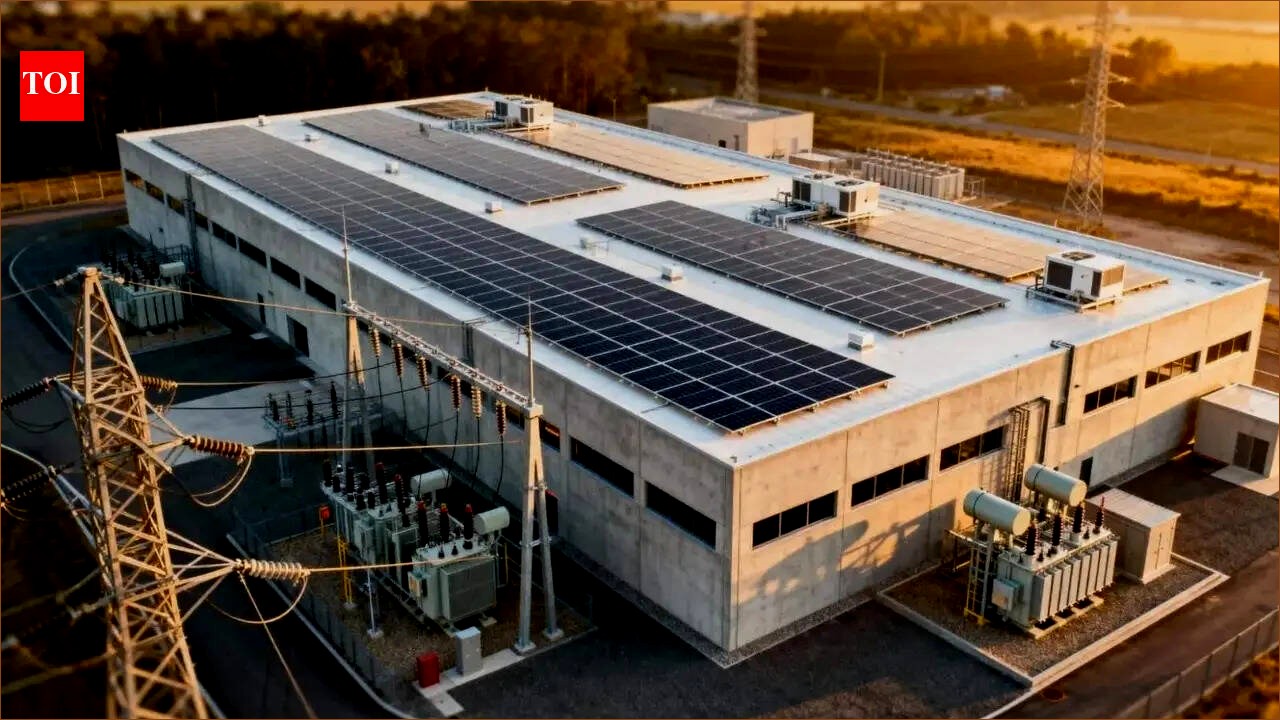
A recent survey by Gallup has revealed that a significant number of Americans are against the idea of building artificial intelligence (AI) data centers close to their homes, even more so than their opposition to nuclear power plants. This reflects growing anxieties about the effects of AI technology on the environment and local communities.

In the survey, about 71% of U.S. adults expressed disapproval of AI data centers in their neighborhoods, with nearly half of those surveyed feeling very strongly against them. In contrast, 53% opposed having a nuclear power facility nearby. Gallup noted that disapproval of nuclear plants has remained consistently high since it started polling on the topic in 2001.

As AI companies ramp up their infrastructure to meet rising demands for computing power, many communities are voicing their concerns. Issues such as excessive water and electricity usage, increased traffic, and noise pollution have been highlighted by local residents.

Community Concerns About Resources and Quality of Life

In another part of Gallup’s survey, many respondents against data centers cited worries about the pressure these facilities could place on water and energy resources. About half of those opposing the data centers mentioned potential problems like losing farmland, while 22% expressed concerns over quality of life, such as more traffic and higher utility bills. Noise pollution was also a common complaint.

Wannie Park, CEO of PADO AI, suggests that much of the public’s resistance stems from a lack of understanding of how data centers function and their economic benefits. He remarked on the miscommunication surrounding these facilities, saying, “I think there’s just a lack of education.” Park believes that better outreach and information could change public perceptions.

Growing Demand for AI Infrastructure

As AI usage grows, so does the impact of data centers on resources. Currently, U.S. data centers account for about 4.4% of the nation’s electricity consumption, a significant increase from 1.9% in 2018. This figure is predicted to climb to 12% by 2028, with the overall demand for energy from data centers expected to rise from 80 gigawatts in 2025 to 150 gigawatts by 2028.

Moreover, studies suggest that AI could be responsible for emitting between 24 million and 44 million metric tons of CO₂ each year by 2030. In addition, data centers are expected to consume approximately 17 billion gallons of water in 2023—three times more than in 2014.

Despite the pushback, Park feels that bans on new projects may only relocate these developments rather than stop them altogether. He noted, “If you want to shut us down here, we’re gonna go somewhere else,” reflecting the ongoing demand for AI infrastructure. Even forecasting new projects shows that the need for computing power is so strong that facilities are already booked three years in advance.

As communities navigate the complexities of AI technology, conversations about its impact on daily life will likely continue to evolve.

AI data centres AI technology fears community concerns data centre opposition electricity consumption Gallup survey Nuclear power plants resource consumption US AI data centres water use in data centres
Share. Facebook Twitter Email
admin
  • Website

Related Posts

Chinese Student, 20, Secures $317K Contract with Dazzling AI Speed Radar Crafted in Just 9 Days

July 7, 2026

Nigeria Investigates Major Tech and AI Firms Over ‘Illicit’ Use of Media Content

July 7, 2026

DOE Harnesses Coal Byproducts for Essential Minerals

July 7, 2026
  • Facebook
  • Twitter
  • Instagram
Don't Miss

Former Afghanistan Fast Bowler Shapoor Zadran Passes Away at 38 Following Long Illness

Magnum Ice Cream Launches Innovative RD&I Center in India

NATO Allies Join Forces on Essential Defense Materials, Rutte States

Chinese Student, 20, Secures $317K Contract with Dazzling AI Speed Radar Crafted in Just 9 Days

Started in 2004, India Bulletin is the largest and
most read South Asian publication
in Chicago and surrounding Midwest.

  • Home
  • About Us
  • Contact
  • Advertise With Us
  • Privacy Policy
  • Terms of Use
  • Disclaimer
  • CCPA
News
  • Bollywood
  • Business News
  • Health
  • India News
  • Indian Diaspora In US
  • Sports
  • Technology
  • World News
Facebook X (Twitter) Instagram

Type above and press Enter to search. Press Esc to cancel.

Accessibility Adjustments

Powered by OneTap

How long do you want to hide the toolbar?
Hide Toolbar Duration
Select your accessibility profile
Vision Impaired Mode
Enhances website's visuals
Seizure Safe Profile
Clear flashes & reduces color
ADHD Friendly Mode
Focused browsing, distraction-free
Blindness Mode
Reduces distractions, improves focus
Epilepsy Safe Mode
Dims colors and stops blinking
Content Modules
Font Size

Default

Line Height

Default

Color Modules
Orientation Modules