
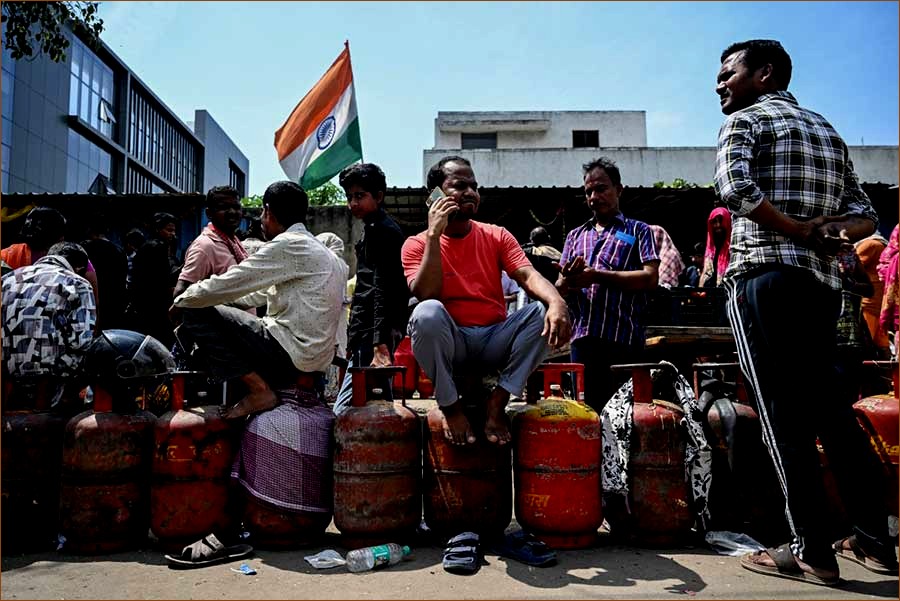
BENGALURU – Prime Minister Narendra Modi recently called on Indians to prioritize the nation’s needs over personal comforts. He encouraged everyone to limit foreign trips, reduce fuel usage, and consider working from home more often.
During a public event on May 10 in Secunderabad, Telangana, PM Modi emphasized the need for conservation, particularly of petroleum products, due to rising oil prices and economic uncertainties linked to tensions in West Asia. “In times of global crisis, our duty to the nation must come first,” he stated, urging citizens to be more mindful of fuel consumption.
He recommended increased use of public transportation and electric vehicles and suggested revisiting some COVID-era practices, such as virtual meetings and avoiding non-essential international travel for at least a year. “It’s our collective responsibility to save foreign exchange by conserving fuel,” he noted.
Experts believe PM Modi’s remarks reflect the ongoing economic challenges facing India amid the conflict in West Asia, which has impacted global oil supplies. While many countries have raised fuel prices, India has only adjusted prices for commercial petroleum gas and duties on certain exports, leaving regular consumer fuel prices unchanged – a situation that may not last.
Dharmakirti Joshi, chief economist at Crisil, pointed out that the global oil market is experiencing unprecedented disruptions. With crude oil prices spiking from about $70 to nearly $126 per barrel recently, India’s import costs have surged, with the country relying on imports for around 85% of its crude oil.
“Given the ongoing war, it’s unlikely the oil shortage will resolve soon. Thus, we need to conserve oil,” he advised, adding that consumers may soon bear some of the costs previously absorbed by the government.
Defence Minister Rajnath Singh announced on May 11 that India has reserves of crude oil and natural gas for 60 days, along with 45 days of petroleum gas. Rising oil prices and global uncertainties have also put pressure on the Indian rupee, which traded around 94.9 against the US dollar as of May 11.
In an effort to bolster domestic production, PM Modi encouraged citizens to reduce cooking oil consumption and purchase local goods instead of imported ones. He also recommended delaying foreign travel for a year, cautioning against the growing trend of overseas weddings and vacations that drain foreign exchange reserves.
Sunil Kumar, president of the Travel Agents Association of India, acknowledged that the tourism sector might need to focus more on promoting domestic travel, as international trips become less popular.
PM Modi’s request to minimize gold purchases during the festival season surprised many, since gold is traditionally significant in Indian culture. With India being one of the largest consumers of gold globally, this change could noticeably impact imports.
In recent years, Indians have been traveling abroad in increasing numbers. In 2025, around 32.7 million Indians journeyed overseas, a rise from 30.8 million the previous year, often for leisure or family visits.
Public reactions to PM Modi’s appeal varied widely on social media, with some users expressing frustration, especially given his upcoming overseas visit shortly after urging restraint in foreign travel. There were also concerns about the economic impact of his call for austerity, particularly on sectors like tourism and gold.
The stock market responded negatively, particularly affecting jewelry stocks, as investors worried that consumer spending on non-essential goods might decline due to these new measures.
Looking ahead, any fuel price hikes may further strain household budgets, potentially leading to increased costs for other imported goods, which could exacerbate inflation. Some analysts predict inflation may rise further due to supply chain issues and adverse weather conditions affecting food prices.
These calls for austerity come soon after elections in several Indian states, possibly reflecting a strategic choice by the government to manage perceptions of its handling of the economic crisis. Despite challenges, the ruling Bharatiya Janata Party (BJP) performed well in those elections.
Analysts believe that fuel price hikes may be on the horizon and that many Indians are preemptively lining up at petrol stations in anticipation of rising costs.
