
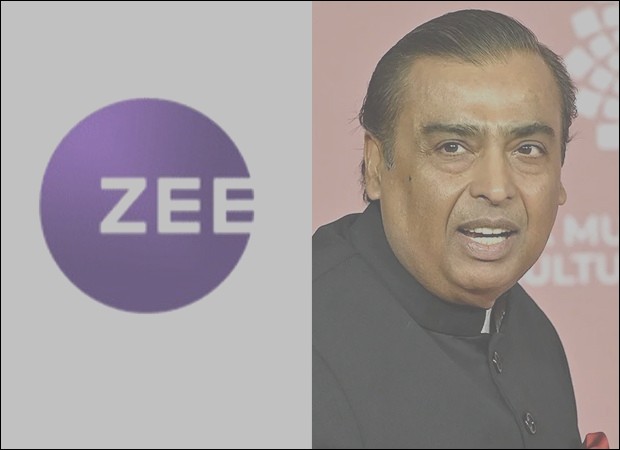
Zee Entertainment Enterprises has taken legal action against JioStar, a joint venture between Reliance Industries and The Walt Disney Company, claiming unauthorized use of its music content. The lawsuit, filed on April 14 in a New Delhi court, seeks around $3 million in damages and demands an immediate stop to any further infringement of its copyrights.
According to documents from the court, Zee alleges that its music was used over 50 times in various TV shows and streaming content on JioStar’s platforms after previous licensing agreements expired in 2024 and 2025. Zee’s filing argues that this unauthorized use constitutes copyright infringement and requests judicial measures to prevent any continued misuse of its music.
This legal battle is part of a larger pattern of disputes between the two companies following their $8.5 billion merger, which combined Reliance’s and Disney’s media arms in India. JioStar manages a significant number of TV channels and the streaming service JioHotstar, which reportedly serves around 500 million users each month. Zee, a long-standing player in India’s media landscape, boasts a music library of over 19,000 songs in various languages.
In a recent court session, the judge instructed JioStar to ensure that no further infringements occur while the case is being considered, giving the company 15 days to comply. The next court date is set for July 23.
JioStar has refuted the claims and declined Zee’s request for damages, asserting that it has made significant efforts to eliminate any infringing content, including older programming. The company further contends that retaining archival content does not equate to unlawful usage, a point that Zee contests.
Additionally, this lawsuit unfolds amidst ongoing arbitration in London related to a separate dispute over cricket rights, where Reliance is reportedly seeking $1 billion in damages from Zee.
Experts observe that this lawsuit underscores the growing tension around content ownership and licensing as the Indian media and streaming sector evolves. The resolution of this case may significantly influence how intellectual property rights are handled across various platforms in the entertainment industry.
