
U.S. Targets Chinese Refinery and Iranian Shipping in Sanction Move
On Friday, the U.S. Treasury’s Office of Foreign Assets Control (OFAC) imposed sanctions on a major Chinese oil refinery, Hengli Petrochemical, along with numerous vessels linked to Iran’s covert oil operations. This action aims to disrupt Tehran’s primary revenue source from oil sales.
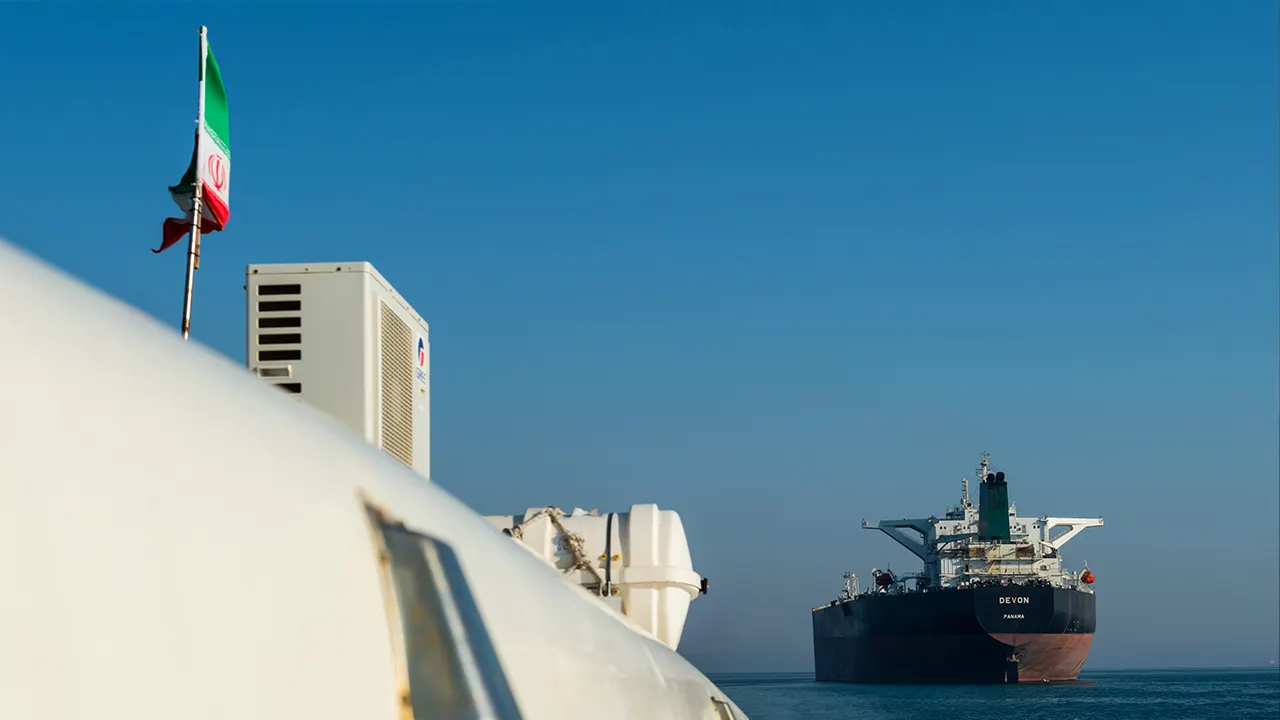
Officials stated that Hengli Petrochemical is one of Iran’s largest buyers. The sanctions extend to a network of shipping firms and tankers facilitating the transportation of significant amounts of Iranian oil to various markets. The Treasury Department emphasized that this “shadow fleet” is crucial for Iran’s government, which is often viewed as unstable.
Background on Sanction Actions
This crackdown is part of a broader initiative called “Economic Fury.” The goal is to squeeze Iran’s economy by limiting its oil exports, which are vital for funding military and destabilizing activities in the Middle East. Treasury Secretary Scott Bessent remarked that this strategy aims to place severe financial pressure on Iran, affecting its aggressive actions in the region and hindering its nuclear aspirations.
Hengli Petrochemical, known as a “teapot” refinery, specializes in purchasing cheaper crude oil from various sources, including sanctioned countries. Since at least 2023, Hengli has been receiving Iranian oil, enriching the Iranian military with hundreds of millions in revenues through such transactions.
Additionally, shipments associated with Sepehr Energy Jahan Nama Pars Company—a company identified by U.S. officials as a front for Iran’s armed forces—were also targeted. This firm helps facilitate oil sales, using a network that enables Iran’s military activities.
Expanding the Sanctions Framework
The newly imposed sanctions also focus on the support network that allows these oil transactions to occur. This network comprises old tankers and shell companies that manage to dodge sanctions by obscuring the origins of their shipments. Many of these vessels transfer oil between each other in international waters to avoid detection. A total of 19 vessels were specifically mentioned in this round of sanctions.
This initiative falls under the broader “maximum pressure” campaign by the U.S. to cut off Iran’s primary financial lifelines through oil exports. U.S. officials maintain that these exports are essential to Iran’s economy, which allows them to fund military actions, support proxy groups, and advance their nuclear ambitions.
Further sanctions are anticipated as the U.S. continues to target the networks and buyers facilitating Iran’s oil reach on global markets.
