
U.S. Sanctions on Iran Intensify Amid Growing Economic Strain
The United States has ramped up its economic pressure on Iran, reaching unprecedented levels. However, a former Treasury Department expert warns that uneven enforcement of these sanctions is holding back their effectiveness.
Miad Maleki, who has significant experience in U.S. sanctions against Iran, believes that the current moment presents a unique opportunity. He noted, “We’ve never seen this kind of leverage over Iran since 1979.”
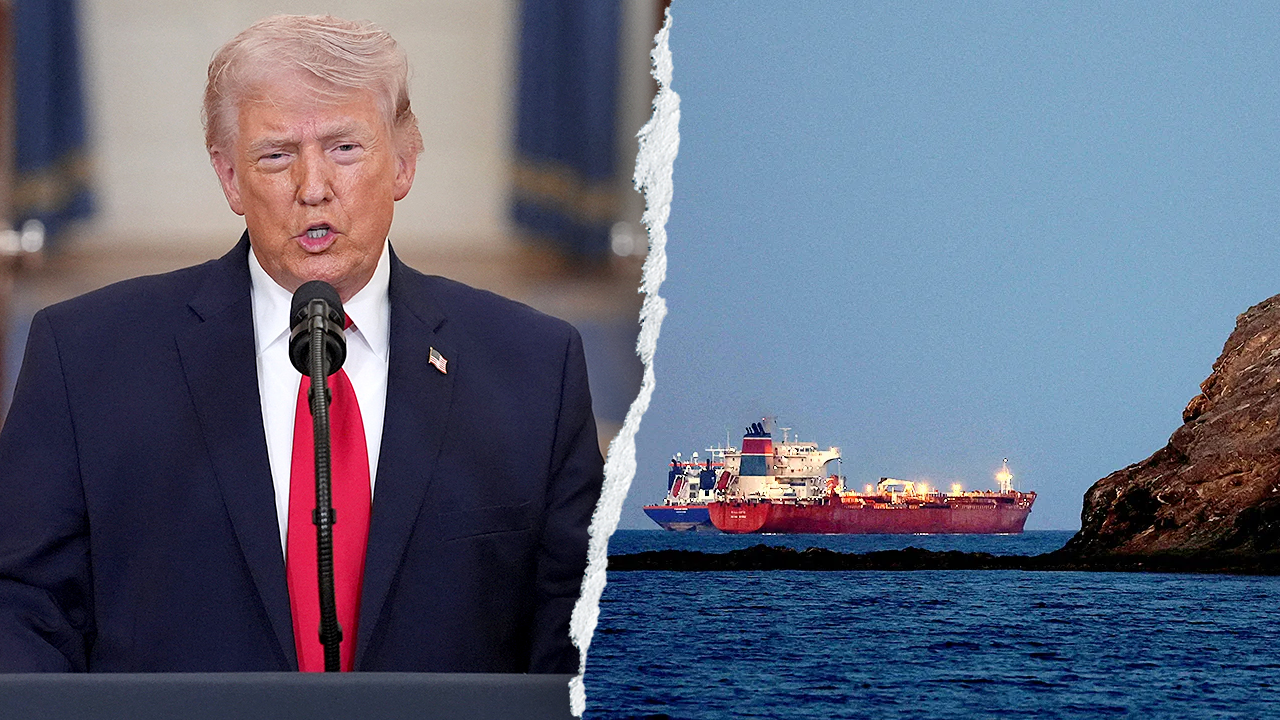
This assessment follows a recent statement by President Trump, asserting that the U.S. has “total control over the Strait of Hormuz,” and that the strait will remain “sealed” until a deal is reached with Iran.
Maleki emphasizes that multiple strategies—such as sanctions, a naval blockade, and stricter enforcement—are all being applied at once, targeting Iran’s crucial oil exports for the first time in years. He warns that Iran could face severe oil storage issues soon, leading to production cuts and potential gasoline shortages due to heavy dependence on imports. With estimates suggesting daily losses of around $435 million, the economic strain could threaten Iran’s financial system and spark civil unrest.
Iran’s Economic State is Critical
Maleki describes Iran’s economy as teetering on the brink of collapse due to years of sanctions, resulting in soaring food prices and a significant drop in purchasing power. He notes that Iran’s oil revenue could plummet by up to $14 billion annually if the current pressures continue.
He highlighted the significance of the Strait of Hormuz as a vital shipping route for Iran, suggesting that its closure would harm the Iranian economy further. While countries like Japan and China have built reserves, the region still relies heavily on this waterway for natural gas and oil.
Internally, Iran’s situation is just as precarious. Despite having vast oil reserves, the country imports millions of liters of gasoline daily to meet domestic demand, which could lead to a significant crisis if supplies dwindle.
Heightened U.S. Naval Presence
The U.S. is also enhancing its naval blockade to target Iran’s oil exports, which form the backbone of its economy. A senior U.S. official noted that this blockade involves financial and maritime strategies to cut off Iran’s revenue sources effectively.
Treasury Department actions are reportedly increasing, with over 1,000 sanctions placed on Iran-related entities since 2025. The goal is to disrupt oil trade and limit Iran’s financial networks.
Maleki points out that past inconsistencies in enforcement have allowed Iran to adapt to sanctions. However, he believes the current combination of sustained sanctions and strict enforcement might finally constrain Iran’s ability to export oil efficiently.
He remains skeptical about the likelihood of other nations stepping in to support Iran, suggesting that if the situation doesn’t improve soon, Iran could face not only oil shortages but significant financial instability as well.
Looking Ahead
As the situation develops, Iran’s ability to meet basic needs could lead to renewed protests, similar to past civil unrest spurred by economic hardships. Maleki warns that if government employees and military personnel find themselves without pay, the streets may see increased unrest as frustrated citizens demand change.
