
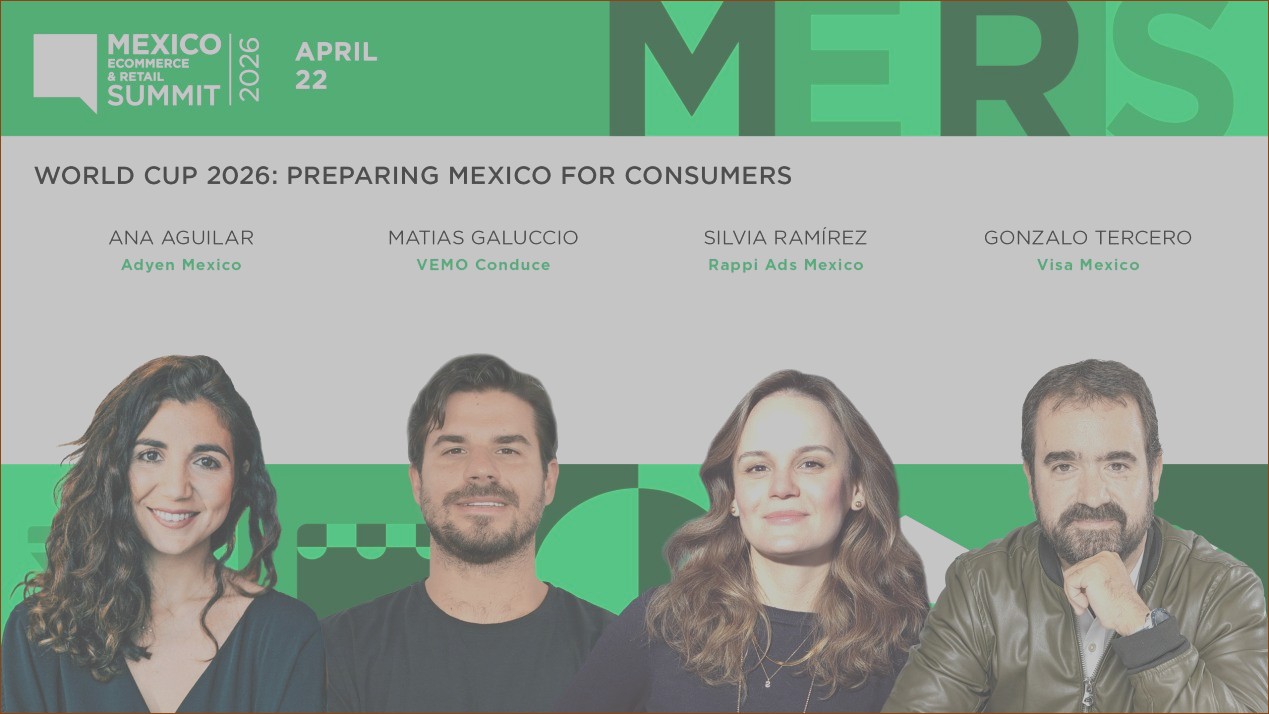
Mexico Gears Up for Increased Consumer Activity Before FIFA World Cup 2026
As the FIFA World Cup 2026 draws nearer, Mexico is getting ready for a wave of international consumer activity. This major event will welcome 48 national teams and feature over 100 matches across three countries. Industry experts see the tournament as both a significant challenge and a valuable chance for growth in areas like payments, retail, transportation, and customer engagement.
Gonzalo Tercero, Vice President of Consumer Products and Digital Platforms at Visa Mexico, highlighted that the World Cup is set to be the biggest sporting event ever and a unique opportunity for Mexico to showcase itself as a modern, digitally connected economy. He noted that many tourists will visit, while millions of Mexicans will also enjoy the matches from home. Visa is working closely with the Ministry of Economy to provide over one million businesses with payment terminals, making it easier for small and medium-sized enterprises to tap into global markets.
Visa, as an official payment partner, has already rolled out contactless payment options on public transport systems like Mexico City’s Metrobús and Metro. This upgrade aims to ensure that international visitors can use their foreign cards without issues. Tercero mentioned the infrastructure preparations began months ago to ease payment processes for tourists.
Economic experts anticipate a dramatic rise in consumer activity in a short time. Anna Aguilar, Head of Sales at Adyen Mexico, emphasized that businesses need to prepare for demand surges that could be much higher than usual. She pointed out that companies need to adapt their technology to handle this spike, given that the World Cup could generate up to $4 billion in transactions over just 50 days and that foreign visitors often spend significantly more than local consumers.
Aguilar also stressed the importance of a unified approach to commerce, integrating physical stores, online platforms, and mobile apps for better inventory and payment handling. Research shows that while 77% of Mexican consumers want visibility across different shopping channels, only 28% of businesses are currently able to provide it.
Transportation services are also expanding. Matías Galuccio, from VEMO, shared that they’ve started enhancing their fleet of electric vehicles and charging stations ahead of the event, intending to have over 600 electric vehicles and 1,500 drivers available. They aim to grow while ensuring service quality remains high.
Additionally, technology is becoming essential for retail and delivery services, which need to adapt to rapid changes in demand. Silvia Ramírez from Rappi Ads Mexico highlighted the necessity of real-time monitoring to respond quickly to shifts in consumer behavior, especially during key matches. Historical data has shown that demand can surge immediately based on game outcomes.
Aguilar emphasized that customer interactions don’t end with the payment; maintaining customer information and engagement is crucial even after the World Cup concludes. Missing connections across various interaction points could mean losing valuable customer relationships.
Furthermore, Galuccio noted that brands should be prepared for quick service demands, especially during busy times around the stadiums. Insights from ride-hailing data can help companies anticipate where demand will be highest.
With a majority of consumers expected to watch the tournament from home, it will be critical for businesses to tailor promotions and stock based on real-time buying behavior, as pointed out by Ramírez.
In conclusion, preparing for the FIFA World Cup 2026 will require strong collaboration across sectors such as payments, logistics, mobility, and consumer analytics to successfully meet the demands of this global event.
