
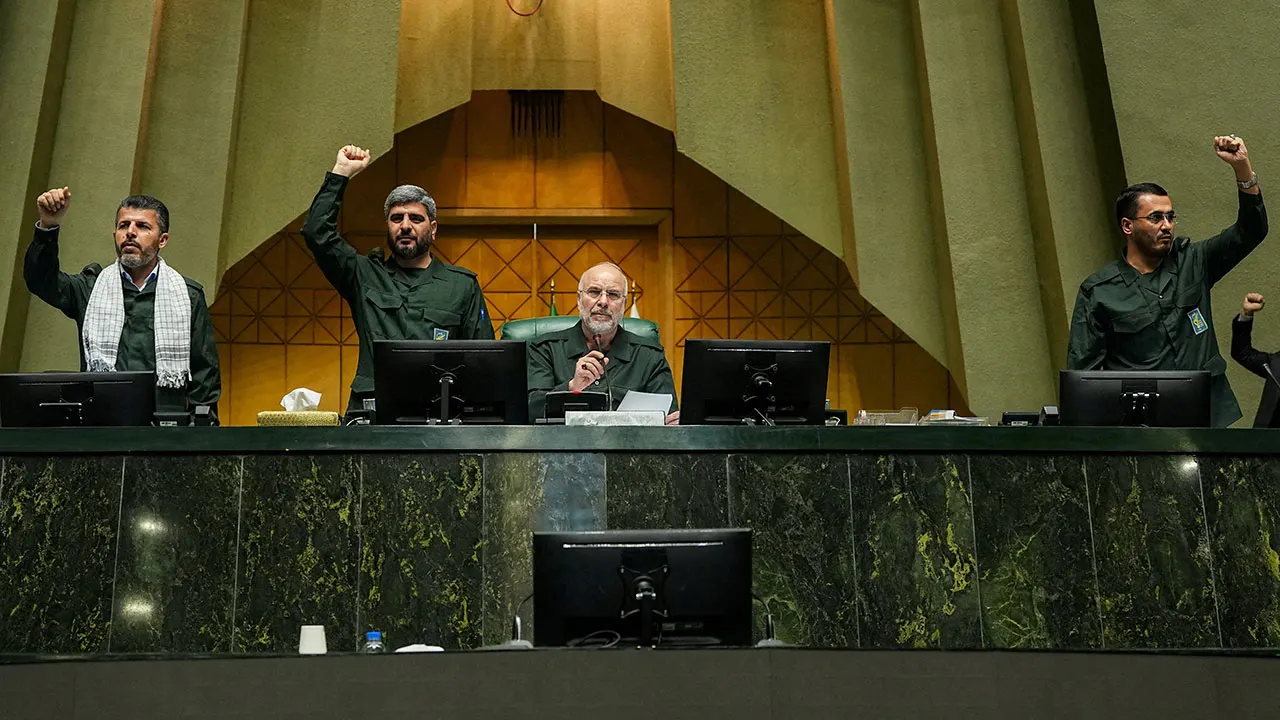
Growing Tensions Within Iran as Moderates Face Danger
Iranian officials advocating for peace talks with the United States are at risk of being labeled traitors, according to policy expert Hooshang Amirahmadi. He warns that such moderates may face severe repercussions amid the rising internal conflicts within Iran’s new regime.
Amirahmadi, the president of the American Iranian Council, expressed concerns that individuals pushing for dialogue with Washington are increasingly vulnerable, especially as the U.S. government suggests it is in touch with a “new” leadership in Iran. He stated, “If moderates push for negotiation or a ceasefire, they will be seen as traitors and likely face elimination.”
This warning coincides with U.S. President Donald Trump’s announcement that serious discussions are underway with a potentially more reasonable Iranian government as the conflict continues. However, Secretary of State Marco Rubio remained vague about the identities of the individuals involved in these talks, referring to “fractures” within Iran’s political landscape.
Rubio explained, “Anyone in Iran speaking about negotiations risks being viewed as creating more war and destruction.” He also confirmed Amirahmadi’s views on the existing internal divisions within Iran, where older, moderate voices clash with newer hardline elements.
Amirahmadi noted that there has always been a significant divide between hardliners and reformists in Iran. He stressed that while some remnants of the previous regime favor negotiating a ceasefire, the new hardline faction views these moderates as threats.
He warned that “assassination in the Islamic Republic is not new.” His observations came as Secretary of Defense Pete Hegseth reiterated the U.S. commitment to an agreement aimed at ending the ongoing conflict involving the U.S., Israel, and Iran. Hegseth emphasized that Trump is determined to strike a deal and suggested that the new Iranian regime should act wisely.
With a significant shift in power following the death of Supreme Leader Ayatollah Ali Khamenei, Iran’s leadership now largely depends on the Islamic Revolutionary Guard Corps (IRGC). Figures like Ahmad Vahidi and Esmail Qaani are gaining more influence, while traditional political figures may be losing their power.
Amirahmadi pointed out that the current radical regime, fueled by military-heavy leadership, is unlikely to seek negotiation initially. He concluded that while the regime change was instigated by external pressures, the outcome appears to have made Iran’s leadership even more extreme.
