
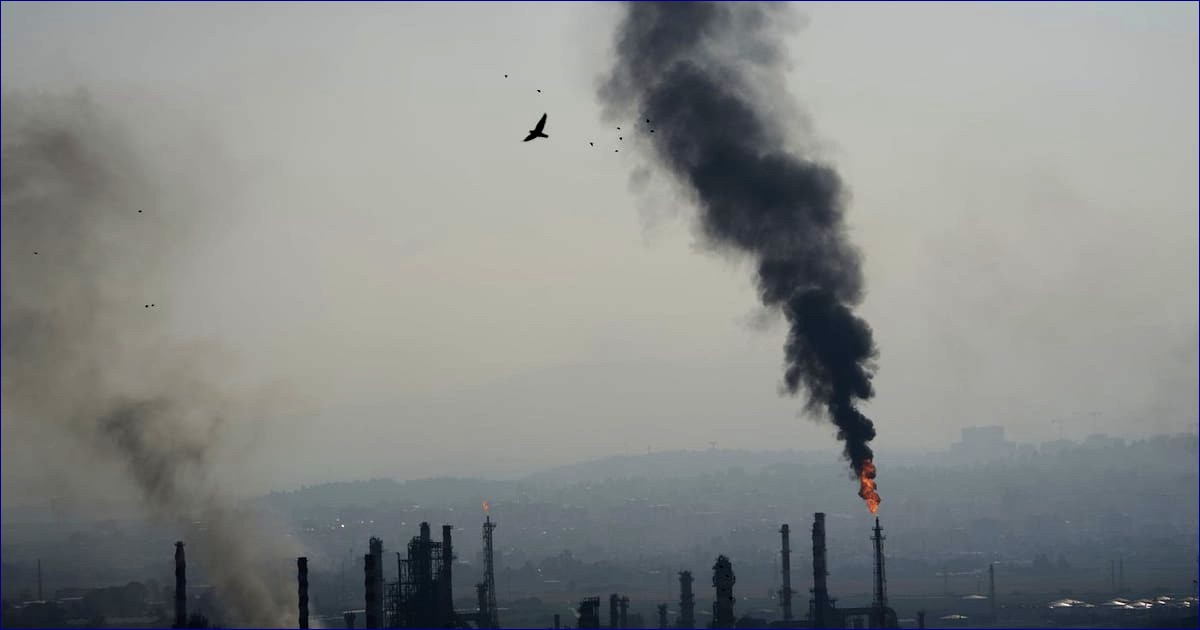
Iran Warns of Oil Prices Soaring to $200 a Barrel Amid Growing Tensions
In a stark warning, Iran has suggested that global oil prices could surge to $200 a barrel as tensions rise in the Gulf. This follows recent attacks by Iranian forces on merchant vessels, signaling a dramatic escalation in the ongoing conflict.
Meanwhile, Iran has engaged in missile strikes against Israel and targets throughout the Middle East, marking a vigorous response despite what U.S. officials describe as some of the most severe military actions from the U.S. and Israel to date.
Earlier this week, oil prices jumped significantly but have since moderated, sitting around $90 a barrel now. Investors seem hopeful that U.S. President Donald Trump will find a way to quickly resolve the conflict ignited by Israel and supported by the U.S.
In a recent interview, Trump stated there is “practically nothing left” to hit in Iran and suggested the conflict could end whenever he decides.
Strain on Global Oil Supply
The situation in the Strait of Hormuz, a crucial shipping lane for oil, remains precarious. This area has seen significant disruptions, echoing the oil crises of the 1970s. The International Energy Agency has urged member countries to release 400 million barrels from their strategic reserves to stabilize the market. However, this would only cover a small portion of the oil flow through the strait.
Iran’s military spokesperson, Ebrahim Zolfaqari, indicated that countries should brace for higher oil prices linked to security issues in the region.
Economic Impact and Ongoing Conflicts
Iranian officials have made it clear that they plan to impose a prolonged economic strain as the war drags on. Following strikes on bank facilities in Tehran, Zolfaqari warned that additional attacks could target banks dealing with the U.S. and Israel.
On the maritime front, Iranian forces reportedly attacked two ships in the Gulf that allegedly ignored their orders, resulting in one vessel catching fire and necessitating crew evacuation.
These confrontations have now resulted in strikes on 14 merchant ships since the conflict began.
Iranian Resilience Amidst Conflict
Amid the turmoil, large crowds in Iran recently gathered to mourn high-ranking military leaders killed in airstrikes. They carried flags and photos of Iran’s deceased Supreme Leader and his successor. Reports suggest that Mojtaba Khamenei, the new leader, was slightly injured early in the conflict but has remained out of public view.
In an escalation of military operations, Iran has targeted several locations, including U.S. bases. Residents in Tehran are becoming accustomed to the nighttime bombings, with some expressing a sense of normalcy despite the ongoing chaos.
No End in Sight
U.S. and Israeli officials maintain that their goal is to curtail Iran’s influence and dismantle its nuclear ambitions. Israel’s Defense Minister stated that operations will continue indefinitely until all objectives are met.
However, the increasing duration of the conflict poses risks to the global economy. Should Iran’s leadership survive, the nation could declare a form of victory.
Iran’s police chief has issued strong warnings against public demonstrations, stating that anyone seen protesting will be treated as an enemy.
The conflict’s toll has been significant, with reports indicating over 1,300 Iranian civilians lost since the start of the U.S.-Israeli airstrikes. The situation remains fluid, with casualties reported on all sides.
As the crisis develops, the world watches closely, hoping for a resolution to the escalating tensions.
