
U.N. Human Rights Council Cuts Critical Speech on Officials
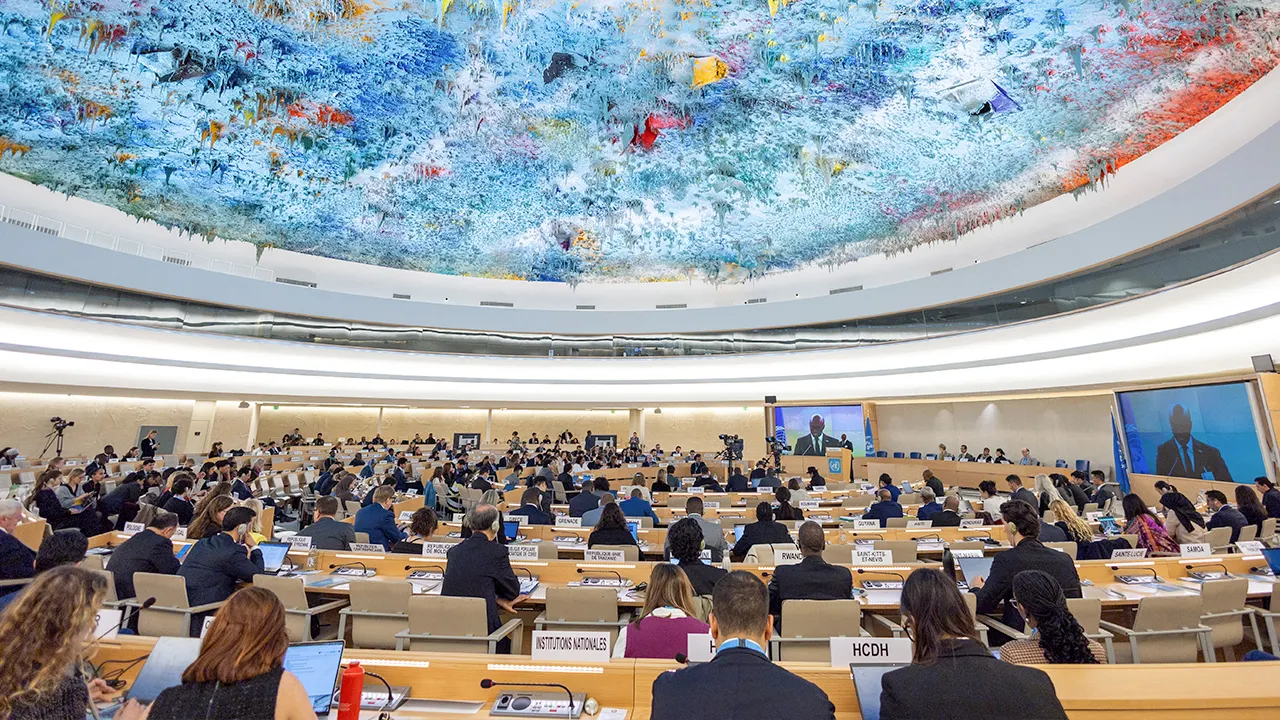
During a recent session in Geneva, Switzerland, the U.N. Human Rights Council (UNHRC) unexpectedly halted a video statement that criticized various U.N. officials. The speaker, Anne Bayefsky, director of the Touro Institute on Human Rights, had been addressing issues surrounding human rights and named individuals such as U.N. High Commissioner Volker Türk and special rapporteur Francesca Albanese, who has faced U.S. sanctions.
These sanctions, announced by Secretary of State Marco Rubio, called out Albanese for alleged antisemitism and support for terrorism. Rubio pointed out her history of making biased statements against Israel.
Bayefsky described her experience during the session, stating that she was the only American NGO with speaking rights but was cut off before completing her remarks. “Free speech is non-existent at the U.N. so-called ‘Human Rights Council,'” she explained, highlighting the irony of being silenced during an event meant for dialogue on human rights.
She expressed frustration at being interrupted right after naming critical figures involved in alleged cover-ups of serious issues, including the use of sexual violence in war. “It is outrageous that I am targeted for naming those responsible,” Bayefsky said.
As her video was cut, the Human Rights Council President, Ambassador Sidharto Reza Suryodipuro, deemed her comments “derogatory” and “not acceptable.” He clarified that the U.N. has long-standing rules regarding respectful language during discussions.
Despite Bayefsky’s video being halted, other comments accusing Israel of serious offenses continued without interruption, raising questions about fairness in the council’s proceedings.
This incident wasn’t the first for Bayefsky. A year earlier, her statements were also interrupted for similar reasons. She believes these actions suggest a pattern of limiting certain viewpoints while allowing others to pass without scrutiny.
The UNHRC, when asked about its rules, insisted that speakers must adhere to established standards of respect and tolerance. While they check the length and quality of video submissions, the responsibility for content remains with the speakers, leading to ongoing debates about the balance of speech at the council.
As the conversation continues, many are watching to see how these discussions will evolve and what impact they may have on future human rights dialogues at the U.N.
