
U.K. and China Strengthen Ties Amid U.S. Trade Tensions
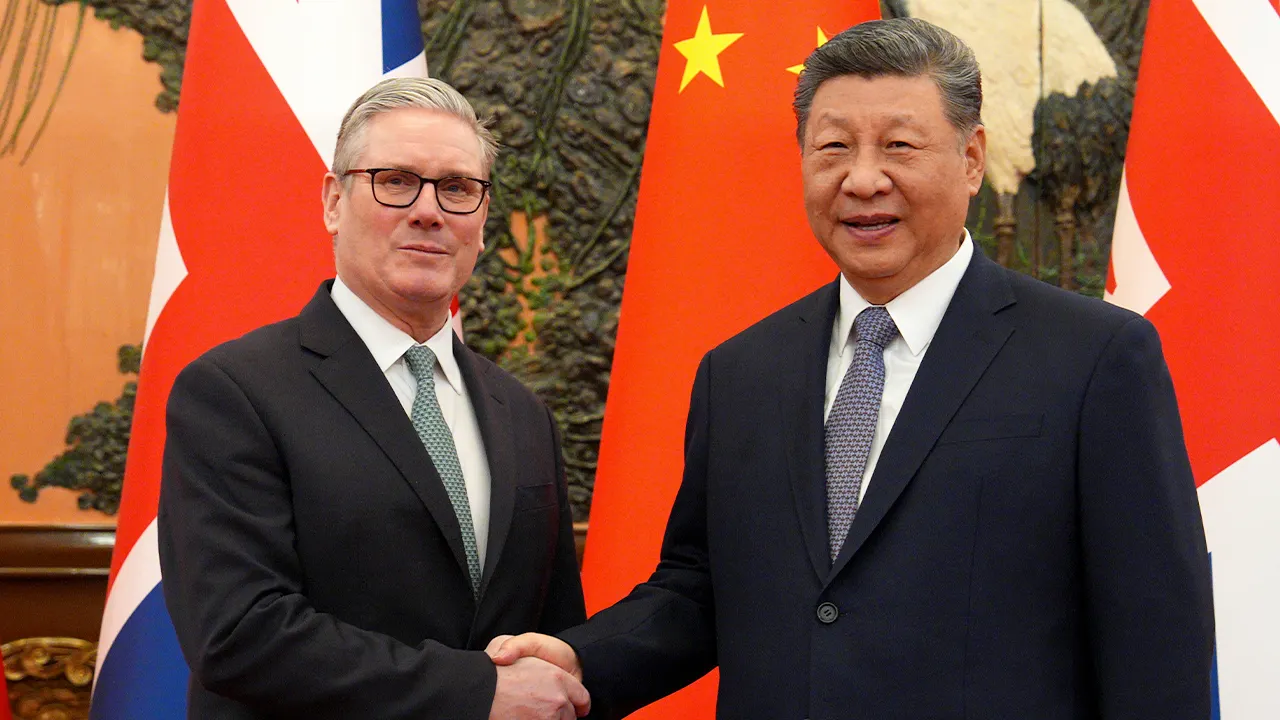
The leaders of the United Kingdom and China are looking to strengthen their relationship, even as U.S. President Donald Trump advises allies against engaging in trade with China. This exchange occurred during a meeting between U.K. Prime Minister Keir Starmer and Chinese President Xi Jinping.
While neither leader mentioned Trump directly, Xi’s comments suggested a response to U.S. trade policy. “In these turbulent times, China and the U.K. must deepen dialogue and cooperation to ensure world peace and stability,” Xi stated at the beginning of their meeting.
He emphasized that major nations need to follow international law, warning that failing to do so could lead to chaos in the world.
Starmer echoed the importance of a “more sophisticated relationship” between the two countries. He acknowledged China’s role on the global stage and highlighted the need for collaboration while also addressing points of disagreement. “It’s key for the U.K. to work closely with China, recognizing opportunities for partnership,” Starmer said.
Additionally, Starmer sought Xi’s help in tackling smuggling operations involving Chinese-made small boat engines, which are often used to illegally transport people across the English Channel. The U.K. Prime Minister’s office stated that this would involve information sharing to disrupt smuggling routes and work with Chinese manufacturers to prevent exploitation by organized crime.
Starmer is the fourth leader from a U.S. ally to visit China this month, with earlier visits by leaders from South Korea, Canada, and Finland. German Chancellor Friedrich Merz is anticipated to follow suit next month.
Despite current tensions, Trump has been critical of Carney’s visit to China, warning that China could take advantage of Canada. This comes amid ongoing friction between Trump and foreign leaders at international forums.
The meeting between Starmer and Xi happens as Trump is attempting to steer U.S. allies away from China through threats of trade tariffs. Recently, he hinted at a potential 100% tariff on Canadian goods following Carney’s visit.
In November, the U.S. and China did come to an agreement that rolled back some tariffs and aimed to expand U.S. agricultural exports while addressing issues around fentanyl and the semiconductor industry.
This latest development marks a significant moment in international relations, as countries reassess their ties amidst shifting global dynamics.
