
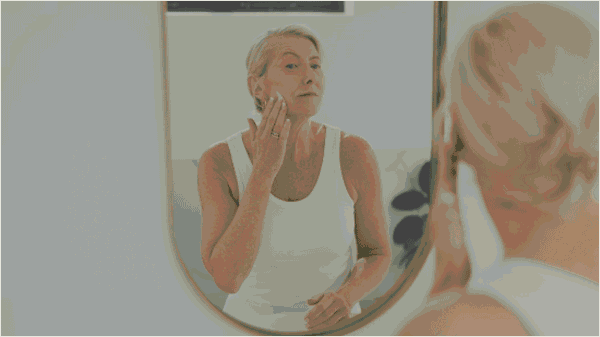
Understanding Acne During Menopause
When we think of menopause, hot flashes and mood swings often come to mind. However, there’s another issue that many women face: skin changes, particularly acne. New research reveals that many women experience skin problems as they age, including breakouts that can feel surprising, especially for those who haven’t dealt with acne since their teenage years.
Dr. Amy Wechsler, a dermatologist and psychiatrist based in Manhattan, specializes in helping women navigate these changes. She notes that many of her patients, who are often experiencing acne for the first time, find it particularly distressing. “For them, it can be terrible,” she shared. “They’ve never had to deal with this before, and it can impact self-esteem and confidence, leading to anxiety or even depression.”
The Acne Peaks
Dr. Wechsler explains that women typically experience two main peaks of acne: one during adolescence and another during perimenopause and menopause. “Many women who have enjoyed clear skin for 20 years suddenly start to break out again around the age of 40,” she says. “This acne usually appears on the lower face, chin, and jawline, which are common areas for hormonal breakouts.”
Women between the ages of 35 and 55 often express frustration at feeling too young for wrinkles while still battling pimples. Unlike men, whose genetic predisposition allows acne to persist into adulthood, women face unique hormonal changes from their late 30s to early 50s that can trigger these breakouts. Luckily, Dr. Wechsler notes that these breakouts typically stop once menopause is over.
Treatment Options
To tackle adult acne related to aging, hormone therapy is often recommended. “Spironolactone is a common treatment specifically for hormonal acne in women,” Dr. Wechsler explains, as it blocks testosterone from affecting skin in the lower face. Hormone replacement therapy or birth control pills may also help, though treatment plans are personalized to each individual’s needs.
In cases where patients have minor acne, topical treatments may be sufficient. Retinoids, available under various brand names like Differin and Retin-A, can be effective for small breakouts and also have anti-aging benefits by promoting collagen growth.
For more extensive acne, she sometimes prescribes a low dose of doxycycline, which works as both an antibiotic and an anti-inflammatory. In more severe cases, a low dose of Accutane may be advised, depending on the severity and characteristics of the acne.
Managing Stress and Skin Health
While hormones play a significant role in skin health, stress can also exacerbate acne. Dr. Wechsler emphasizes the importance of getting enough sleep, which is critical for the body’s healing processes. “Many adults don’t get enough rest,” she points out, stressing that ideally, everyone should aim for seven-and-a-half to eight hours of sleep per night to allow for recovery.
In addition to sleep, managing stress through exercise, spending time outdoors, and engaging with friends can help improve overall well-being and skin health.
Choosing the Right Products
For those dealing with acne, it’s crucial to select non-comedogenic and oil-free skin care products. These products have been tested to avoid clogging pores. Dr. Wechsler also advises washing the face after exercising and at the end of each day, emphasizing the importance of removing makeup before bed.
For individuals struggling with acne who have not seen improvement after two months of using over-the-counter treatments, she recommends consulting a dermatologist for further assistance.
Taking care of your skin during menopause can feel overwhelming, but with the right support and treatment, it can become more manageable.
