
Argentina’s Search for Nazi War Criminals: New Documents Unravel Past Efforts
Recently, documents released by Argentina’s President Javier Milei shed light on the country’s efforts to locate Nazi war criminals who fled there during and after World War II. These documents reveal how many of these individuals managed to evade capture and built normal lives in Argentina.
During the Peronist regime, there was often sympathy towards those hiding in Argentina, and many officials were aware of their presence. However, after the regime ended, the government’s commitment to tracking these war criminals weakened.
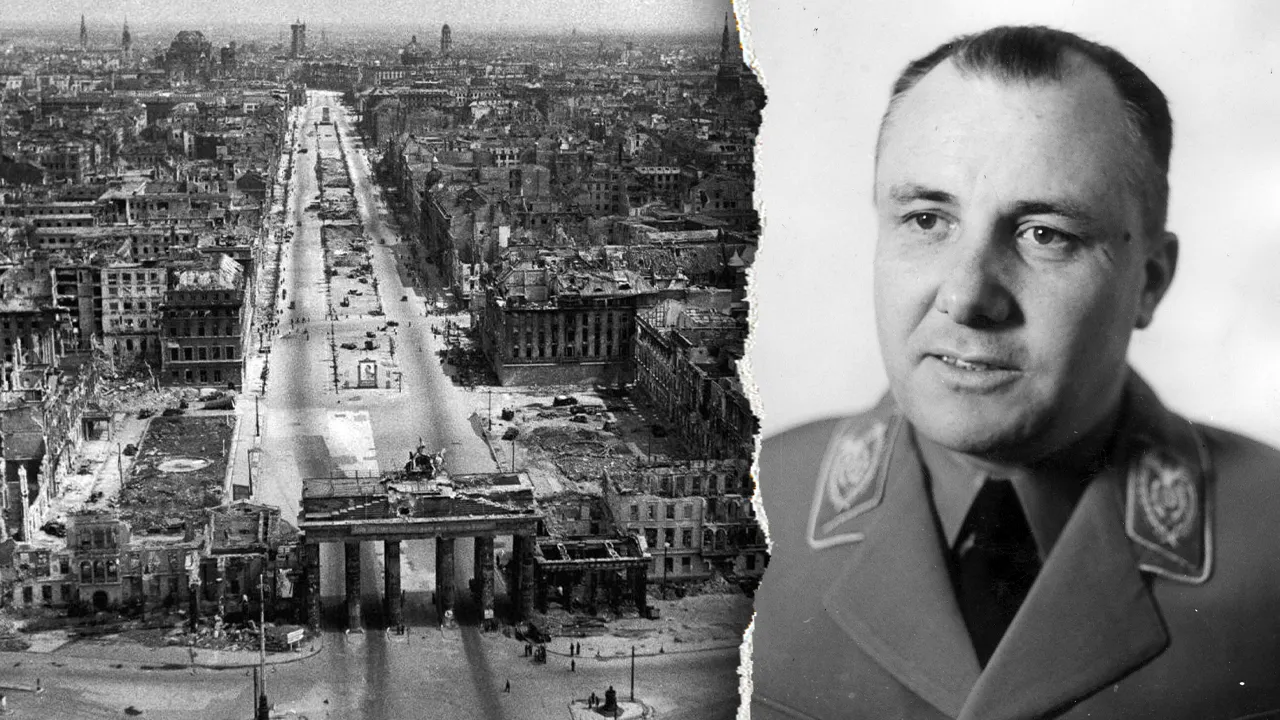
One notable case is that of Martin Bormann, a high-ranking official in the Nazi regime. He held significant power as Hitler’s private secretary and played a key role in influencing policies within the regime. Bormann vanished in May 1945 amid the collapse of Berlin. For years, there were rumors that he had escaped to Argentina using secret routes facilitated by sympathizers.
The newly released files indicate that Bormann was one of the few Nazis actively pursued by Argentine authorities. Although there were numerous leads, most were based on sensationalist press coverage rather than solid information. Intelligence agencies often found themselves following up on rumors and unverified reports, leading to inefficient investigations.
Reports from the Argentine media, as well as foreign press, contributed to a maze of inquiries among various government bodies. Unfortunately, many of these investigations were poorly coordinated, complicating the process of tracking down Bormann and others like him.
In some cases, authorities acted on rumors without proper verification. For example, a story about Bormann hiding in jungles led to wild goose chases. One elderly man mistakenly thought to be Bormann was detained in Colombia in 1972, reflecting the chaotic nature of the searches.
Argentina’s desire to avoid a repeat of the embarrassment it faced when Israel’s Mossad captured Adolf Eichmann in 1960 heightened the pressure to find Bormann. In 1955, authorities focused on Walter Wilhelm Flegel, a German laborer. Despite glaring discrepancies — including Flegel’s missing arm and criminal record — he was arrested in Mendoza in 1960. It took officials a week to confirm he wasn’t Bormann before releasing him.
Ultimately, the quest to find Bormann ended definitively in the 1970s when human remains found in Berlin matched his DNA, confirming he died during the fall of the city.
The newly revealed files illustrate how the hunt for Nazi war criminals in Argentina was often influenced more by speculation and rumor than by effective investigation.
