
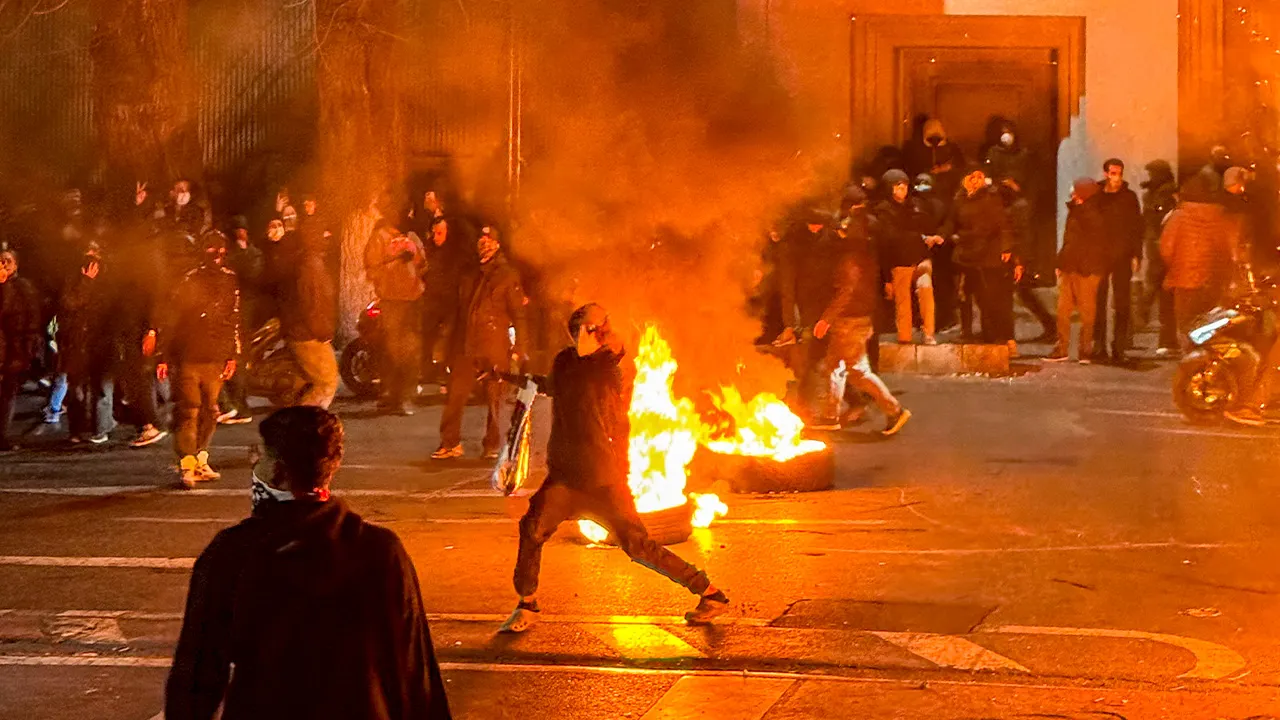
Iran’s Ethnic Minorities: Key Players in Ongoing Protests
Recently, protests in Iran have shown signs of slowing down, but experts suggest that a significant factor in the country’s future lies within its ethnic minority groups, which make up nearly half of the population.
Shukriya Bradost, an expert on Iran’s minorities from the Kurdistan region, highlighted that these groups have opposed the government since the Islamic Revolution of 1979, fighting for their rights for over 40 years. In her research, Bradost noted that the majority of Iran’s population is Persian (51%), followed by Azeris (24%), Kurds (8-17%), and smaller groups including Arabs and Baluchs.
The situation remains tense, with reports of violence against protesters. According to various sources, including Human Rights Activists in Iran, thousands have died during the protests, with estimates ranging from over 2,500 to as many as 12,000.
Sardar Pashaei, president of a Kurdish human rights organization, pointed out that ethnic minorities, particularly Kurds, are crucial for any political change in Iran. He stated that Kurds have a rich history of resisting authoritarian rule and are critical in pushing for a fair political system.
Pashaei also commented that Kurdish regions could be among the most stable areas after a potential regime change, given their commitment to democratic values. However, he pointed out that discrimination against Kurds persists within both the Iranian government and the opposition.
Khalil Kani Sanani from the Kurdistan Freedom Party emphasized two key provinces—Kermanshah and Ilam—that are currently vital in the uprising against the regime. According to him, these regions have a history of mobilization and resistance, suggesting they could play a major role in any shifts in power.
In this context, the ongoing protests, sparked by the tragic death of Mahsa Amini after being detained by the moral police, are described as a turning point. This incident has galvanized the population under the banner of “Women, Life, Freedom,” leading to widespread demands for change.
Moreover, Siamand Moeini, a leader from the Kurdistan Free Life Party, noted that the authoritarian nature of the current regime does not resonate with the people. He advocates for a system that embraces democratic self-governance, especially for marginalized groups like Kurds.
The road ahead for Iran is uncertain, but the participation of ethnic minorities promises to be a decisive factor in shaping the future direction of the country.
