
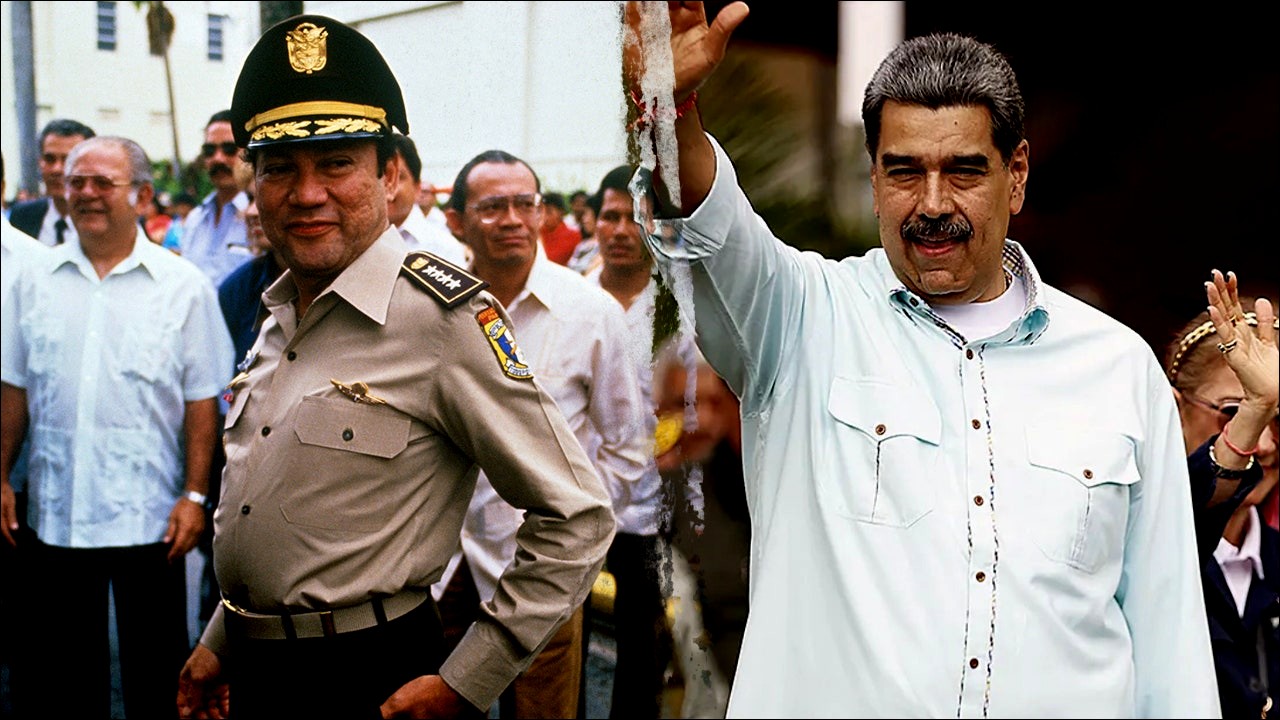
U.S. Capture of Maduro Mirrors Noriega’s Downfall
The recent capture of Venezuelan leader Nicolás Maduro and his wife has stirred memories of the famous arrest of Panamanian dictator Manuel Noriega in 1989, exactly 36 years earlier. Under former President George H.W. Bush, U.S. forces invaded Panama on December 20, 1989, claiming Noriega was involved in drug trafficking and election manipulation.
The mission aimed to restore Guillermo Endara as the democratically elected president after Noriega’s actions undermined the election. It was one of the largest military operations since the Vietnam War, yet it was conducted without clear congressional approval, a detail that echoes the recent U.S. operation against Maduro.
Noriega’s arrest was far from straightforward. After taking refuge in the Vatican’s embassy, U.S. troops relied on psychological tactics, playing loud rock music outside to coax him out. He eventually surrendered on January 3, 1990, and was flown to the United States to stand trial, leading to a 40-year prison sentence for drug trafficking.
Maduro’s capture has raised similar concerns, particularly regarding his regime’s ties to drug-trafficking operations. In the lead-up to his arrest, U.S. military forces targeted suspected drug vessels connected to Venezuela.
President Donald Trump announced the capture as part of Operation Absolute Resolve, pledging that the U.S. would oversee Venezuela until a stable government is established. This has drawn attention from various international quarters, with criticism from countries like China condemning the operation.
As both the U.S. and global communities respond to this significant event, comparisons to past military operations like the one in Panama will likely continue, impacting discussions about intervention and authority on the international stage.
