
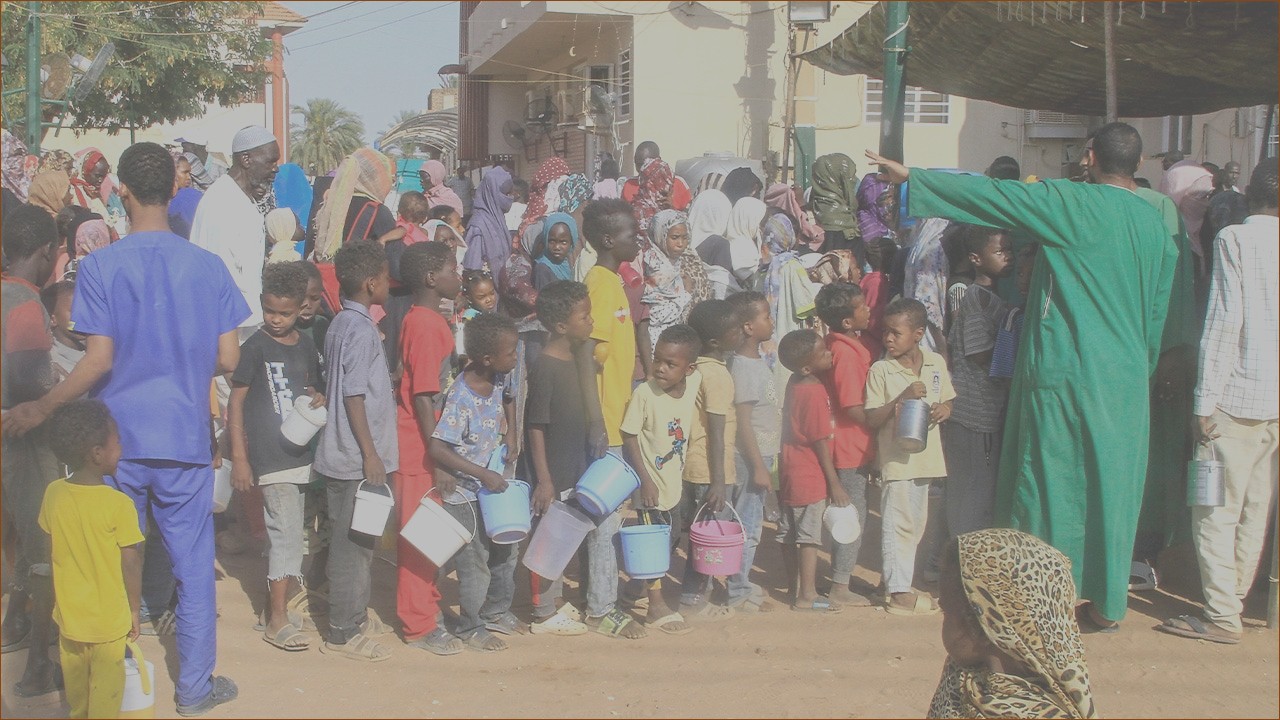
Humanitarian System Faces Challenges as Crises Intensify
LONDON, England — A recent report from the Lancet medical journal highlights the dire situation for civilians in conflict zones like Sudan and Gaza. Hospitals are under threat, and the humanitarian aid system is struggling to provide necessary support.
Dr. Paul Spiegel, a co-author of the report and a professor at Johns Hopkins University, stated, “The humanitarian system isn’t working as it should for the current types of emergencies we face.”
In Sudan, ongoing conflict has forced 12 million people to flee their homes, highlighting a critical humanitarian disaster. The report emphasizes that while the world has the knowledge to save lives, the systems in place are failing. It points out that many aid agencies are too bureaucratic or slow to respond effectively, calling for a major overhaul.
This report also discusses the need for reform within the United Nations and criticizes past U.S. decisions, including the closure of the United States Agency for International Development (USAID), which many experts considered harmful. They argue that such closures can hinder crucial aid efforts.
“For the U.N. and USAID, restructuring is necessary,” Dr. Spiegel remarked. “But the approach must ensure that vulnerable populations are not harmed in the process.”
The report advocates for significant changes in how aid is delivered, suggesting that funds should go directly to local communities, and that there should be greater accountability when aid is blocked by governments or armed groups. Upholding healthcare as a fundamental human right is also emphasized.
Dr. Spiegel concluded, “The system needs to be realigned to better serve those in need and ensure effective assistance reaches its intended recipients.”
