
Rising Concerns Over Safety of Sleeper Buses in India
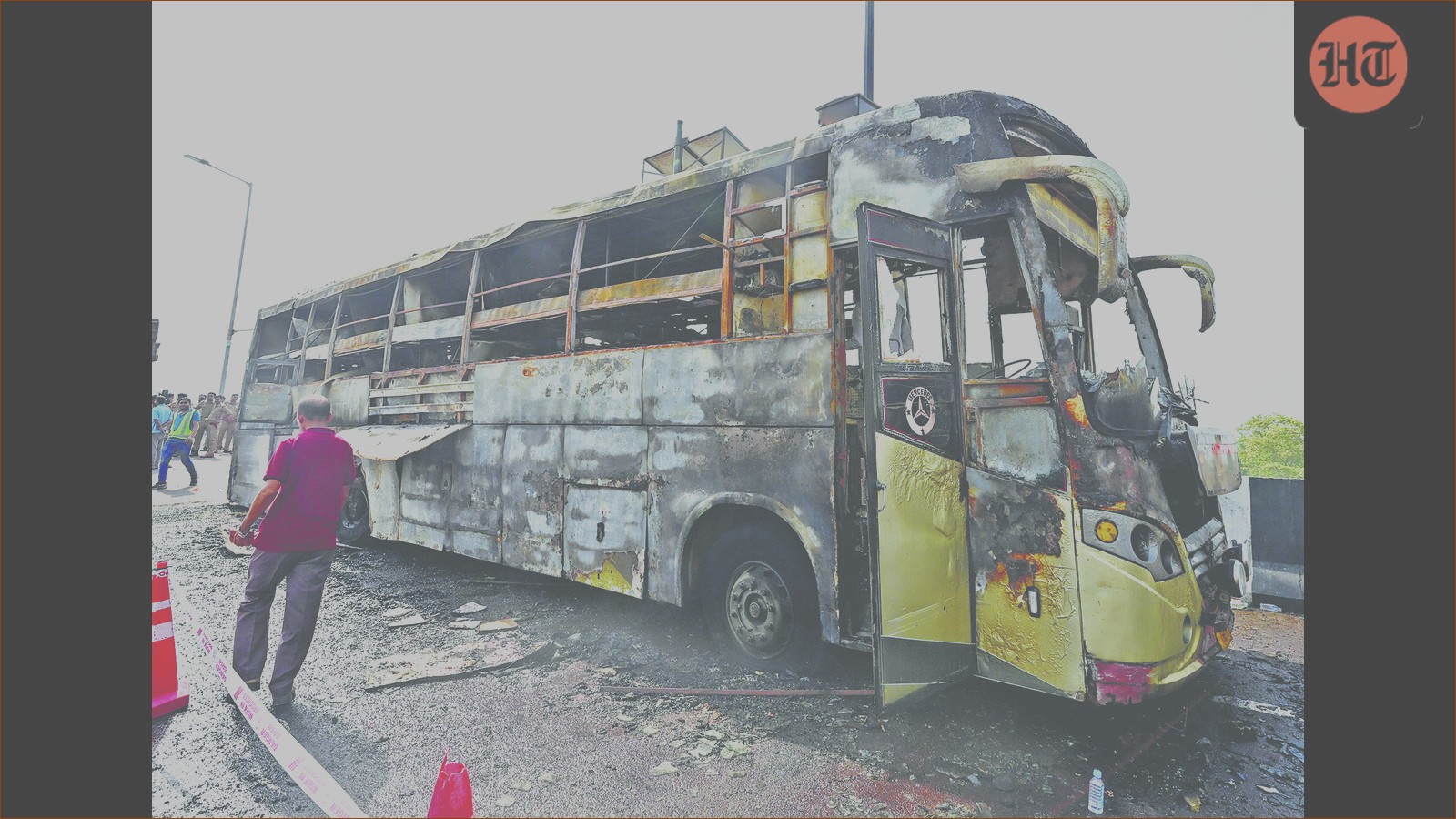
In the early morning hours of December 16, a tragic accident occurred on the Yamuna Expressway in Mathura. A thick fog created low visibility, leading to a multi-vehicle crash that involved three cars and seven buses, including six sleeper coaches. This horrific series of collisions resulted in the loss of at least 13 lives and made evacuation incredibly challenging, as passengers were trapped in confined berths surrounded by smoke and flames.
Just two months prior, another sleeper bus fire took place in Kurnool, Andhra Pradesh, claiming 20 lives, following a collision with a motorcycle. There was also a devastating incident where a bus traveling from Jaisalmer to Jodhpur was engulfed in flames, killing 26 individuals as fire spread rapidly.
These incidents have sparked renewed discussions about the safety of sleeper buses operating on Indian highways. While many of these accidents resulted in significant casualties, there have also been lesser-known incidents, like one on December 18, where 40 students from Tamil Nadu managed to escape unharmed after their bus caught fire in Dehradun.
In a written update to Parliament on December 18, the Union government reported that over the last three years, there have been 45 bus fire incidents that resulted in at least 64 deaths. Additionally, the National Human Rights Commission (NHRC) has taken notice of the situation, urging state authorities to enforce fire safety regulations for sleeper buses.
The Rise of Sleeper Buses
Historically, sleeper buses were not widely used in India. Their journey began in 1966 with state transport services in southern India. However, the significant growth of sleeper buses started in the early 2000s when the four-laning of highways made overnight travel easier. By the 2010s, sleeper buses became popular due to better road conditions and increased demand for intercity travel.
Sleeper buses filled a crucial gap, especially for those unable to secure train tickets. However, this industry has evolved in an unregulated manner. According to Mohammed Afzal, vice-president of the Bus and Car Operators Confederation of India, there is no accurate count of sleeper buses in India. Roughly 90% of the two million buses in the country are privately owned, including sleeper services.
A recent report from bus aggregator Redbus highlighted that intercity buses operated by around 6,000 private operators transported over 140 million passengers between April and September 2025, with sleeper and hybrid buses representing 85% of these journeys.
Causes of Bus Fires
Experts note a significant distinction in bus fires: some are caused by collisions, while others begin from within, often due to wiring issues. Anil Chhikara, a former transport commissioner in Delhi, emphasized that many sleeper bus fires are preventable and start from electrical problems rather than accidents.
The majority of fires seen in sleeper buses are related to faulty wiring or overheating. When electrical systems fail, the risk of fire spikes, especially in non-premium sleeper buses that often lack essential safety features.
Moreover, many sleeper buses involved in fires are not factory models but are modified versions of standard coaches. These retrofitted buses are more prone to fires due to their setup. While a factory-made sleeper bus might cost around ₹2 crore, a locally modified one could be less than ₹1 crore, lacking vital safety measures.
Chhikara pointed out that these retrofitted buses typically run electrical systems for long hours, creating a risk for overheating and fires, which can spread rapidly. Additionally, the layout of sleeper buses—with tight aisles and stacked bunks—hinders quick evacuation during emergencies.
Gaps in Oversight and Regulations
India has certain standards for bus construction and fire safety, yet enforcement has lagged. SN Dhole from the Central Institute of Road Transport noted that while standards exist, actual compliance is often superficial. Often, local builders use substandard materials, heightening fire risks.
A shift in regulations between 2022 and 2024, which allowed self-certification by bodybuilders, diluted the routine inspections usually carried out by the Regional Transport Offices. This has led to many safety issues going unnoticed.
The Ministry of Road Transport is considering a ban on custom sleeper buses following these incidents. In contrast, China banned all sleeper bus sales after fatal accidents in 2012.
The recent victims of these bus fires were typically individuals who couldn’t afford premium travel options. Madhu Sudan Sharma from the Consumer Unity and Trust Society remarked that many of these passengers travel overnight, trusting in the safety of these buses.
In light of these tragic events, the Rajasthan transport department has begun enhancing safety checks on private operators to prevent future mishaps. This ongoing enforcement will be crucial in safeguarding the lives of passengers using sleeper buses.
