
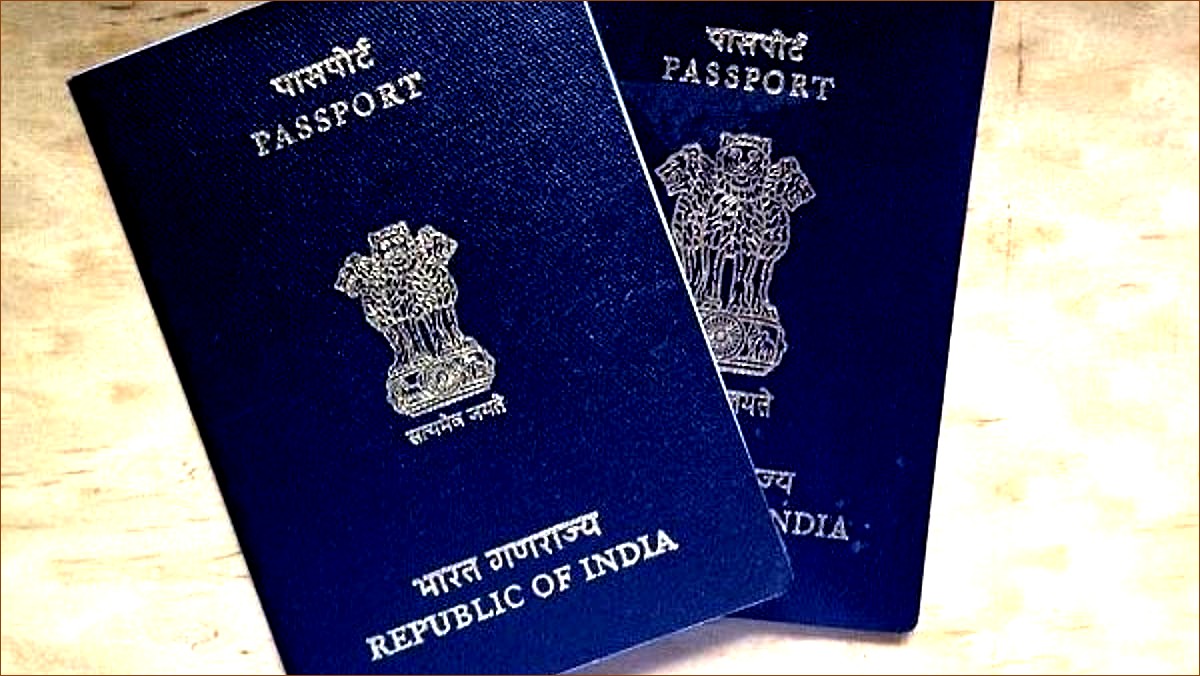
A recent discussion highlighted the potential benefits of dual citizenship for Overseas Indians, particularly in light of economic challenges they face, especially in the U.S. With rising tariffs and international tensions, many Indian professionals and entrepreneurs find themselves in uncertain situations. Advocates argue that dual citizenship could provide them with the stability and security they need to invest in India and build long-term assets without the constant worry of global market fluctuations.
Concerns were also raised about safety issues for the Indian community in Canada, particularly for those from Punjab. Supporters believe that having dual citizenship would give these families a greater sense of protection and legal support from India, which is especially important in light of recent events.
The benefits of dual citizenship extend beyond individual families. The forum noted that it could enhance India’s cultural, economic, and diplomatic footprint around the globe. By empowering millions of Indians living abroad, India could strengthen its influence and improve its position in international discussions. With deeper connections and legal ties, Non-Resident Indians (NRIs) would be more likely to invest in sectors like technology, real estate, and manufacturing, leading to significant economic growth.
In the realm of technology, dual citizenship could facilitate better knowledge sharing and innovation, helping India become a leader in high-tech industries. The introduction of dual citizenship could also boost tourism and community development as diaspora families feel a renewed connection to their homeland, encouraging them to engage in philanthropic and educational initiatives.
IndUS Canada has called on policymakers, including Prime Minister Modi, to recognize the longstanding demand for dual citizenship within the global Indian community. They argue that granting dual citizenship is not just a privilege but a crucial step toward unlocking India’s full potential on the world stage.
