
US Pushes for Peace in Ukraine, But Territorial Disputes Persist
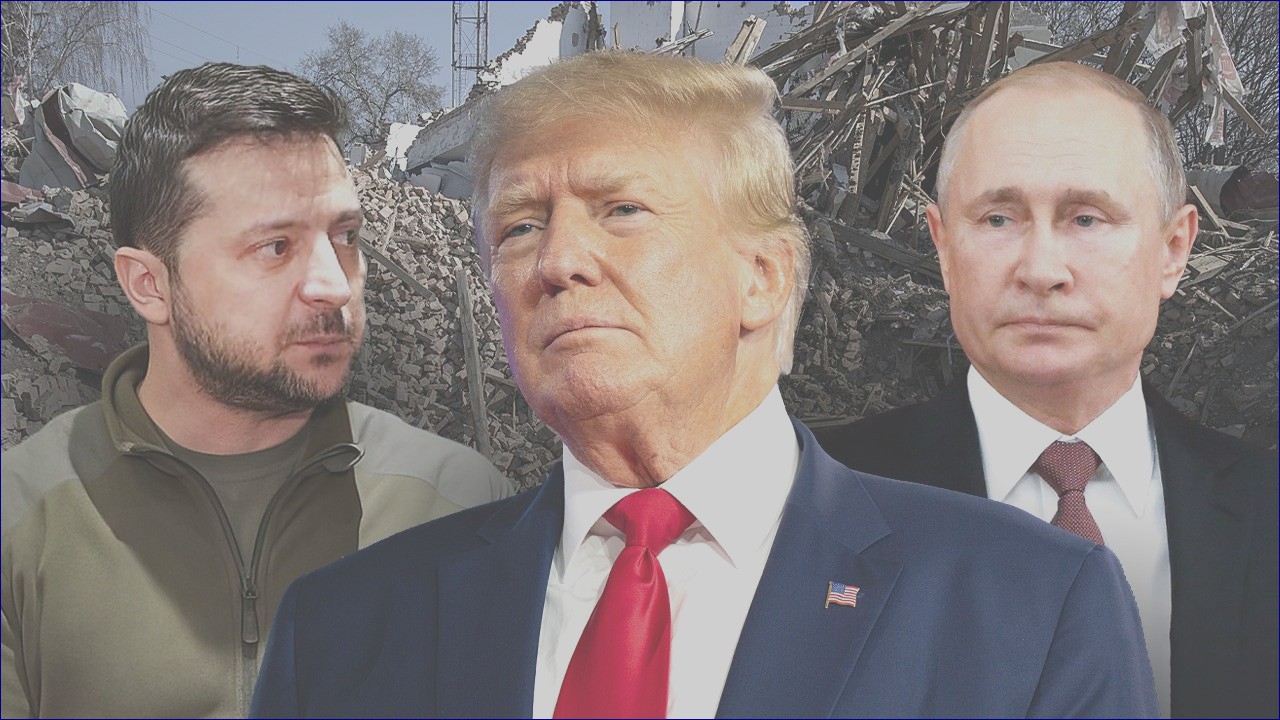
Recent developments indicate that the United States is working on a new plan aimed at bringing an end to the conflict in Ukraine. Officials and experts from Ukraine, Russia, and the U.S. believe that a breakthrough is closer than it has been since Russia’s invasion began in 2022. However, the primary challenge remains unchanged: Russia is insisting on control of Ukrainian territory, a demand Kyiv is unwilling to accept.
Former President Donald Trump spoke this week about the “tremendous progress” made in discussions. He announced that his special envoy, Steve Witkoff, would meet with Russian officials, while U.S. defense leaders would engage with their Ukrainian counterparts. An American official noted that Ukraine is on board with the general terms of the emerging deal, although “minor details” are still up for negotiation. European allies are also coordinating efforts for what they call a “Coalition of the Willing,” with France advocating for a “just and lasting peace.”
Despite these talks, fresh missile and drone attacks from Russia on Kyiv continue to claim civilian lives and damage infrastructure. Negotiators express concern that the contentious issue of territory hangs over the discussions like a heavy cloud.
Ukrainian Parliament member Oleksii Honcharenko stated that Ukraine must seek peace “as soon as possible,” despite significant doubt from many Ukrainians about the proposed plan. He spoke about the necessity of finding common ground, saying, “This plan is a chance… some things are unacceptable, but it is a workable framework.”
Honcharenko admitted that conceding on sanctions, a significant demand from Russia, would be challenging for the Ukrainian people. However, he pointed out the need for realism in the situation: “We are not in a position where our tanks are near Moscow.”
Representative Andy Barr from Kentucky highlighted the importance of strong U.S. leadership, suggesting that Russia’s invasion was partly due to perceived weaknesses in American policy. Barr also referred to Trump as the “peace president,” claiming that under his leadership, the current conflict would not have occurred.
Economist Sergey Aleksashenko, who previously served as Russia’s deputy finance minister, identified the territorial dispute as the main obstacle to peace. He explained that Russia aims to claim regions it couldn’t seize through military action, while Ukraine is steadfast in its refusal to give up land.
Retired General Philip Breedlove, a former NATO commander, voiced skepticism about Ukraine agreeing to cede any territory. He emphasized that President Vladimir Putin’s ambitions likely extend beyond Ukraine itself and warned that Ukrainian President Volodymyr Zelenskyy faces significant pressure from Western nations that dictate military and financial support.
As the situation evolves, the unity of Western support remains crucial. Breedlove underscored that if Ukrainian support from the West dwindles, the consequences could be dire. However, he affirmed Ukraine’s commitment to fighting for its sovereignty.
Though initial discussions included terms that would not have been accepted by Ukraine, subsequent adjustments have brought the proposal more in line with Ukrainian expectations. Nonetheless, Breedlove noted that what Ukraine finds acceptable may still not align with Putin’s demands.
As negotiations approach a critical phase, all parties acknowledge one key fact: the success or failure of this peace effort will hinge on whether Ukraine and Russia can finally overcome their territorial disputes, a core issue since the conflict began.
