
Health Clinics in South Africa Under Tension Due to Anti-Immigrant Actions
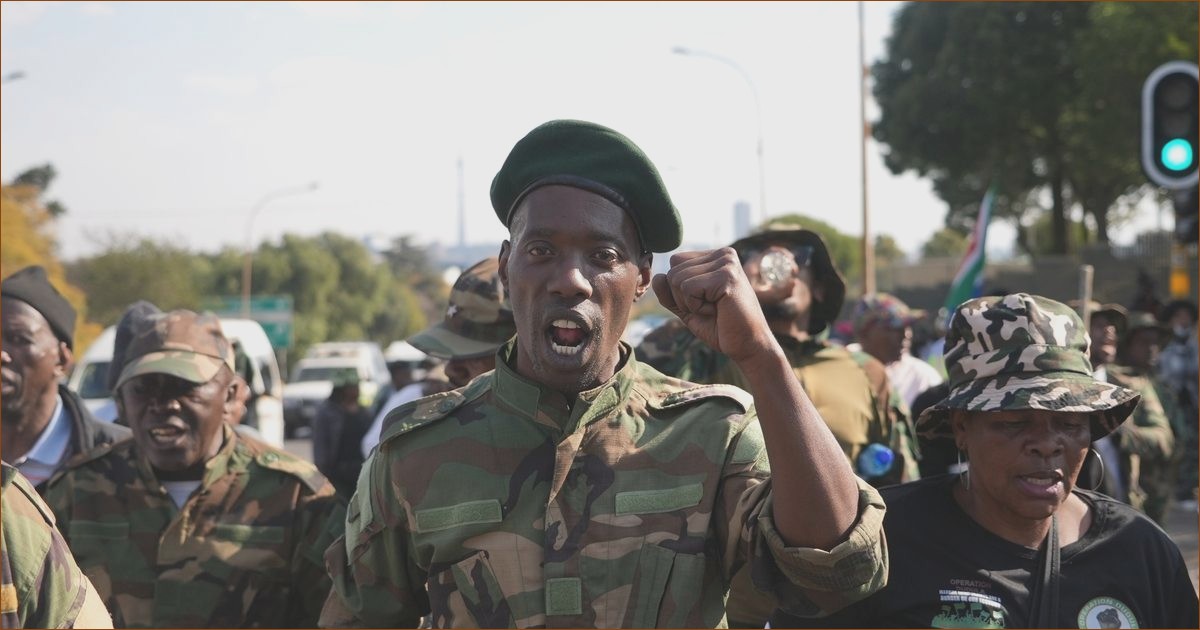
MUSINA, South Africa — At dawn, Tholakele Nkwanyana arrives early at the Diepsloot public health clinic in Johannesburg, but not for medical care. Instead, she is part of a group called Operation Dudula, which aims to prevent foreigners from accessing health services.
Dressed in military-style uniforms, Nkwanyana and her group block the clinic entrance, asking patients for identification. Many people, including mothers with young children and those in need of medical attention, are turned away and directed to private hospitals, which charge for services.
This situation is becoming common across Gauteng province as healthcare turns into a controversial issue linked to immigration debates in South Africa.
A court has instructed Operation Dudula to cease its harassment of migrants, but the group has announced plans to appeal the ruling.
“Our goal is to prioritize South Africans,” Nkwanyana told a reporter. “We believe there are too many foreigners and not enough medicine to go around.”
A Growing Concern over Immigration
As the most developed economy in Africa, South Africa is a destination for many migrants from neighboring countries like Zimbabwe, Mozambique, and further away nations such as Nigeria and Ethiopia. Recently, the Department of Home Affairs deported nearly 47,000 migrants who entered the country without proper documentation—an 18% rise from the previous year.
Operating since a few years ago, Operation Dudula has gained visibility, attracting mostly young Black South Africans. However, the exact number of its members remains unknown. Their activities include shutting down shops owned by foreigners and prohibiting foreign children from attending public schools.
Those in the group claim migrants are taking job opportunities that should go to South Africans, especially given the country’s high unemployment rate of over 31%.
South Africa has witnessed violent outbreaks of anti-immigrant sentiment before, such as in 2008 when 68 people were killed in attacks on foreigners. However, the focus on denying migrants healthcare is a newer development, along with the group’s organized structure seeking to expand its political influence.
The South African government has condemned Operation Dudula’s actions, affirming that healthcare is a legal right for everyone, including undocumented migrants.
“As healthcare professionals, we don’t deny care based on documentation,” said Health Minister Aaron Motsoaledi.
Despite meetings with Operation Dudula, the government has faced challenges in ensuring safety at clinics due to high crime levels, leaving police stretched thin.
Human Rights Watchdog Speaks Out
The South African Human Rights Commission (SAHRC) has criticized the group’s activities and warned that the nation is experiencing a global rise in anti-immigrant sentiment, resembling trends seen in the United States and Europe.
“The situation is alarming, and nonnationals should not be used as scapegoats for deeper issues,” SAHRC commissioner Tshepo Madlingozi stated.
Healthcare Challenges and Migration
South Africa allocates around 8.5% of its GDP, roughly $15 billion, to healthcare, which is more than its spending on any area except education. Nonetheless, hospitals are overcrowded, medications are scarce, and management problems persist.
Despite these challenges, many from neighboring countries still view South Africa as a more appealing place to live. As of 2022, an estimated 2.4 million foreign nationals made up about 3.9% of the country’s population, a significant increase since 1996.
Madlingozi acknowledged the healthcare system’s issues but stressed that these should not be used to justify mistreatment of migrants.
Personal Stories Amidst the Unrest
In May, Blessing Tizirai from Zimbabwe moved to Musina, near the border, after being repeatedly turned away from public clinics in Pretoria due to Operation Dudula’s actions. While in Musina, she has received care without problem.
“I’ve never been turned away here,” she said.
Another migrant, Nonhlanhla Moyo, who also fled from Zimbabwe, described her struggles after being denied treatment at the Diepsloot clinic.
“If I can’t get my asthma medication, how am I supposed to survive?” Moyo lamented, expressing her fears of returning to a collapsing healthcare system in Zimbabwe, where patients often need to bring their own supplies.
The issue has even gained attention in Zimbabwe’s parliament, with some lawmakers suggesting that the government fund medical care for citizens in South Africa. However, the Justice Minister stated this would not happen, even though many political leaders seek treatment across the border in South Africa.
Conclusion
The ongoing clash over healthcare access highlights not only the struggles of migrants but also the broader issues within South Africa’s healthcare and immigration policies. The situation continues to evolve, impacting the lives of many in the region.
