
Audits Highlight Serious Mental Health Care Issues in Utah’s State Prison
Recent audits have revealed troubling shortcomings in the mental health care provided in Utah’s state prison located in Salt Lake City. Two comprehensive reports released on Tuesday indicate that prison staff have not been effectively monitoring inmates at risk of suicide, resulting in several instances of self-harm, including one suicide.
The audits, totaling over 160 pages, stress the need for urgent improvements, noting “significant deficiencies and critical issues.” A psychiatrist involved in the audit described the alarming state of care, stating that many inmates “are often abandoned” due to inconsistent follow-up and some receiving incorrect psychiatric medications or missing their doses.
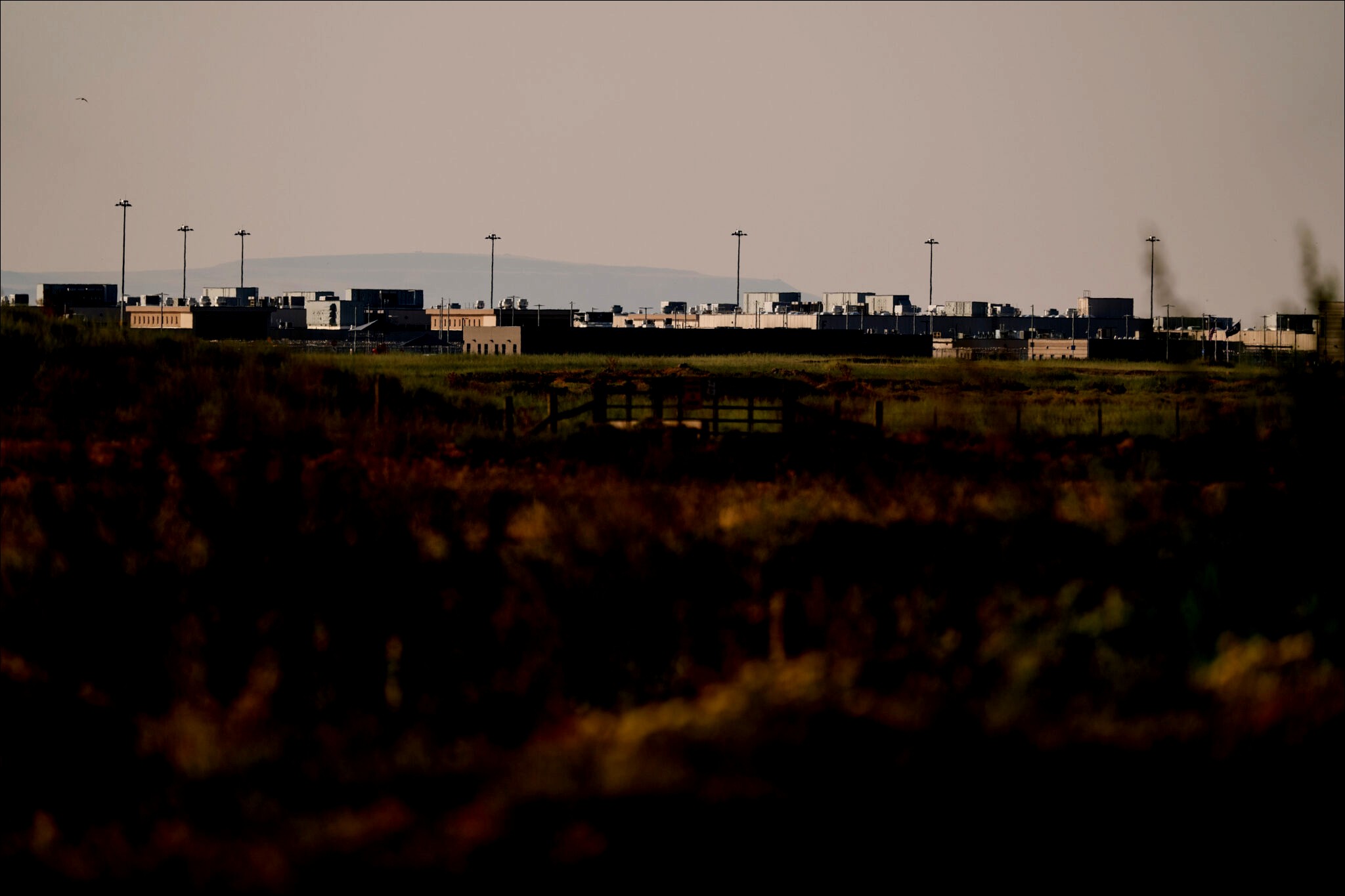
One of the audits examined the Division of Correctional Health Services within the Department of Health and Human Services, while the other focused on the Utah Department of Corrections. These reports come three years after the prison moved from Draper to Salt Lake City, where officials had touted the new facility as “humane” and focused on rehabilitation.
The auditors suggested that a comprehensive suicide prevention program and a review process for prescriptions should be developed, and they called for better collaboration between agencies. They emphasized the need for enhanced supervision of inmates by prison officers.
Stacey Bank, the executive medical director for the Department of Health and Human Services, informed legislative leaders during an audit review that new suicide prevention procedures have already been put in place. The department has also hired two psychiatry fellows from the University of Utah to improve clinical oversight. Bank noted that there has not been a suicide in the prison for over a year, crediting this success to focused prevention efforts.
Moreover, Rebecca Brown, the deputy executive director of the Utah Department of Corrections, highlighted that many recommendations from the audits are already in progress, focusing on policy changes, improved supervision, and better coordination of care.
Senate Minority Leader Luz Escamilla expressed concern about the audit’s findings, mentioning that some results raised red flags regarding staffing needs. She emphasized the importance of ensuring that the prison has the resources it requires to provide adequate mental health care.
Monitoring and Suicide Risk
The audits revealed that the correctional health services agency did not adhere to its own policies, failing to continuously monitor 26 inmates in the psychiatric infirmary who had either attempted suicide or were considered “acutely suicidal” between October 2024 and March 2025. During this period, several inmates attempted self-harm while under the lowest level of observation, which involved checks every 15 minutes.
Additionally, auditors noted that some corrections officers were not performing proper checks, sometimes filling out logs without physically confirming the safety of the inmates. One inmate’s suicide was discovered only after more than an hour.
Lack of Data on Suicide Attempts
The audits also pointed out that the Division of Correctional Health Services does not track or analyze data on suicide attempts, which hampers its ability to assess risks and identify patterns. The auditors conducted their analysis, revealing that 21 inmates attempted suicide during the reviewed timeframe.
In contrast, the Arizona Department of Corrections actively collects and reviews such data, a practice that could help identify risk factors and improve overall care.
Staff Shortages Impacting Care
Moreover, the audits highlighted the negative impacts of not having a full-time psychiatrist at the prison. Following the departure of a psychiatrist in July 2024, it took over a year to hire a part-time replacement, which was attributed to challenges in offering competitive salaries. As a result, prison inmates often had to rely on advanced practice registered nurses with limited training.
The audits noted that the current staffing structure means that many inmates with significant mental health issues do not receive the necessary attention or treatment. Daily assessments are conducted in the psychiatric infirmary, but inmates lack access to essential services like psychotherapy. Many of those housed in the infirmary are dealing with identifiable personal issues that could benefit from therapeutic interventions, yet they face isolation instead.
In conclusion, these audits expose critical gaps in mental health care within Utah’s state prison system, highlighting the urgent need for reform to protect vulnerable inmates and enhance their well-being.
