
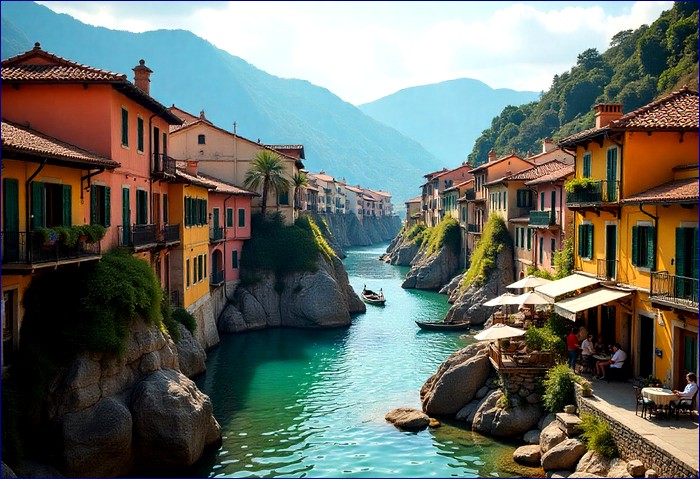
Rising Destinations Are Attracting Global Travelers
Recent trends show that Japan, Vietnam, Portugal, Mexico, India, and Abu Dhabi, among other emerging destinations, are becoming popular choices for travelers. These places offer a blend of affordable prices, rich culture, and a friendly atmosphere that many travelers find appealing compared to traditional destinations like the United States. As more people seek genuine experiences, these countries provide opportunities for deeper connections, vibrant histories, and longer stays that match new preferences in travel.
The increasing desire for quieter, less crowded locations is pushing tourists towards these destinations. Japan boasts a strong tourism infrastructure, while Vietnam remains exceptionally affordable. Portugal’s beautiful coastline and Mexico’s cultural energy add to the appeal, alongside India’s diversity and Abu Dhabi’s luxury options. Together, these features create a unique combination of value, culture, and comfort that many travelers are looking for, often leaving the U.S. behind as they explore more accessible alternatives in Asia, the Middle East, and Europe.
At the same time, international tourism to the U.S. is seeing a downturn. Predictions suggest a drop in overseas visitors, from 72.4 million in 2024 to 67.9 million in 2025. This shift signals a significant change in global travel patterns, as visitors prioritize affordability, cultural experiences, and overall value in a competitive tourism market.
Travelers Are Choosing New Destinations
With rising costs, complicated travel procedures, and some uncertainty in the political climate, many travelers are turning to options outside the U.S. The global tourism sector is thriving, and competition is strong. As a result, more people are willing to explore regions that offer easier access and better pricing.
Long-haul travelers are increasingly setting their sights on Asia, where countries like Japan and Vietnam are rich in culture, natural beauty, and affordability. This shift is encouraging investment in tourism facilities as governments and businesses strive to meet growing demand.
Currency Trends Impact Travel Choices
Currency changes are also influencing where people decide to travel. A strong dollar is making vacations to the U.S. more expensive for many international visitors, particularly from countries with weaker currencies. Consequently, travelers are looking for destinations where their money goes further.
Southeast Asia, Portugal, and various Eastern European nations are becoming attractive spots for visitors seeking affordable options for food, lodging, and transportation. These regions are gaining popularity as travelers become more budget-conscious and keen on long-term financial planning.
Mexico and the Caribbean Experience Growth
While interest in U.S. travel is tapering off, nearby areas like Mexico and the Caribbean are seeing significant growth. The Caribbean recorded over 7 million visitors in the first half of 2025. This surge reflects a growing global demand for warm beach getaways, all-inclusive resorts, and rich cultural experiences.
Mexico is also welcoming millions of international tourists in 2025, exceeding growth averages globally. Those planning trips to popular resort areas should expect earlier bookings and rising hotel rates as demand increases.
Longer, More Meaningful Travels Are Trending
Today’s travelers are increasingly preferring longer, more meaningful trips rather than quick getaways. This trend, visible across Europe, the Middle East, and Asia, encourages visitors to stay longer, enabling them to explore cultures deeply and find better value for their stays.
Slow travel, which emphasizes fewer destinations and extended stays, is gaining traction. This approach benefits local economies by distributing tourist spending more evenly and easing the burden on highly visited urban centers.
Emerging Markets Are Changing the Travel Landscape
Many countries experiencing economic growth, especially in South and Southeast Asia, are producing more international travelers than ever before. This change is prompting airlines to increase routes, tourism boards to devise tailored marketing strategies, and destinations to enhance visitor facilities.
Countries like Abu Dhabi, Vietnam, and Bali are reaping the benefits of this shift, offering modern amenities and attractive pricing. Enhanced air connectivity provides more options and competitive fares for travelers worldwide.
A Preference for Less Populated Areas
As traveling becomes increasingly popular, many visitors are searching for quieter alternatives. Interest is rising in lesser-known destinations, from smaller Greek islands to rural areas in Spain and more remote natural spots in Europe. Travelers are also exploring second-tier cities that offer a more relaxed and authentic experience, often at a lower cost.
This trend reflects travelers’ desire for personal space, deeper cultural engagements, and meaningful encounters, which can sometimes be hard to find in busy tourist hubs during peak seasons.
Positive Outlook for 2026
Although 2025 may be challenging for inbound travel to the U.S., the future looks promising for 2026. Major global events, like an international football tournament in North America, are likely to ignite interest among travelers. As people plan ahead, they may experience stiffer competition for flights and accommodations in the cities involved.
All in all, Japan, Vietnam, Portugal, Mexico, India, and Abu Dhabi are quickly becoming favorites among travelers seeking richer cultural experiences, better currency value, and less crowded escapes. This shift is pulling attention away from the U.S., where rising costs and a strong dollar are making it a less attractive option.
As travelers rethink what is essential in their journeys, these emerging destinations are paving the way for a new era in tourism, emphasizing affordability, cultural depth, and warmer atmospheres. This change signifies a rebalancing of global tourism, where travelers are increasingly choosing locations that provide more value for both their time and money.
