
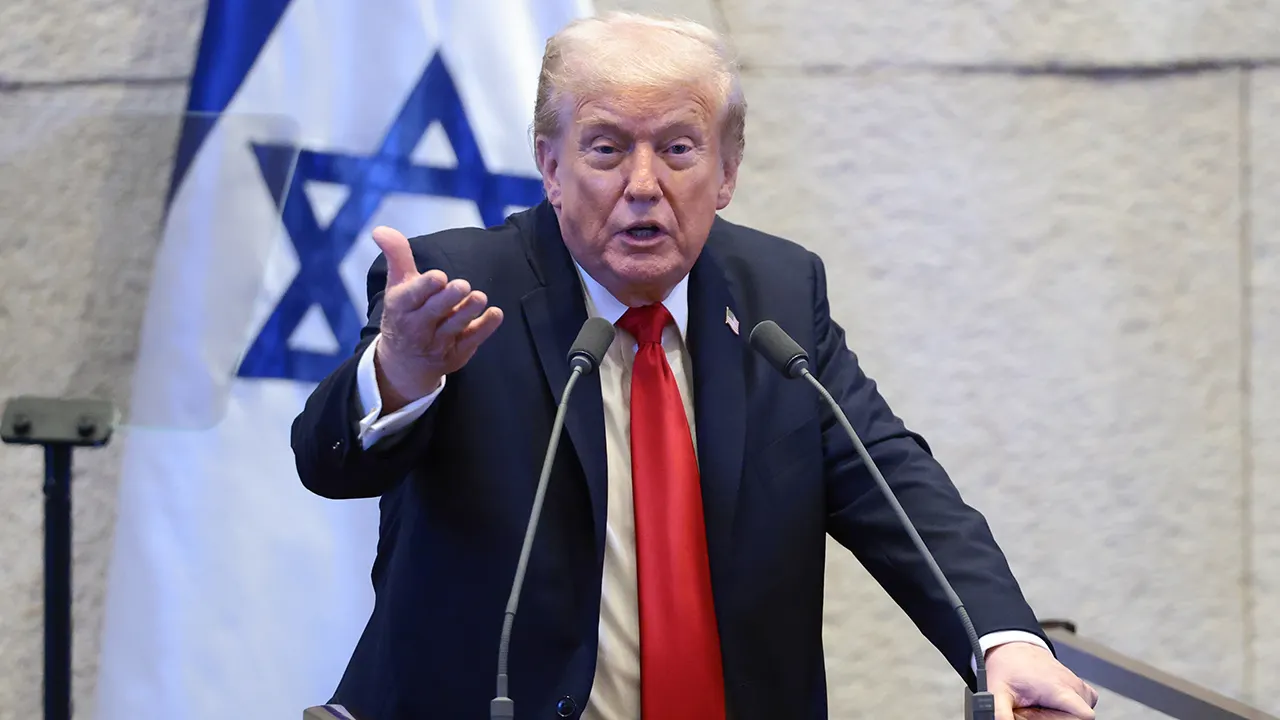
Understanding Trump’s “America First” Approach
Critics once labeled it as isolationist, but now national security experts view Donald Trump’s “America First” strategy as a solid deterrent policy focused on strong alliances, particularly with Israel.
Fred Fleitz, vice chair of the America First Policy Institute’s Center for American Security and a former chief of staff at the National Security Council, stated that this approach emphasizes a strong national security strategy. It aims to keep the U.S. out of unnecessary conflicts, ensuring that allies contribute adequately while maintaining a steadfast support for Israel and combating antisemitism.
According to Fleitz, backing Israel is not merely a matter of sentiment. “Supporting Israel aligns with our national interests,” he explained. Israel faces threats that would otherwise require U.S. intervention, making its stability crucial for American security.
Israel’s Role in Regional Defense
Mike Makovsky, CEO of the Jewish Institute for National Security of America (JINSA), emphasized that Israel plays a vital role in absorbing threats that could compel U.S. military involvement. He cited three main interests in the region: Israel, oil, and countering Islamic extremism.
Makovsky also pointed out the irony that the discourse around America First has resurfaced soon after Israel effectively tackled its adversaries in the Middle East. He highlighted Iran’s advancements in missile technology, which could threaten U.S. territory. He stressed, “As long as we support Israel, we don’t have to bear the costs ourselves.”
Addressing Iranian Aggression
Fleitz labeled Iran as the greatest threat, citing its nuclear ambitions and support for militant groups like Hamas and Hezbollah. He noted that Israel’s actions have significantly weakened Iran, especially in its nuclear endeavors.
Both analysts view Iran as part of a broader alliance with Russia and China, working to destabilize the Middle East and undermine U.S. interests. They believe Trump’s readiness to confront Iran reflects a strategic use of strength to avert costlier conflicts in the future.
Energy Independence and Economic Security
Both experts agree that energy policy is a key practical aspect of the America First agenda. Fleitz pointed out that energy independence saves Americans on their energy bills while reinforcing economic security through global diplomacy. He mentioned that persuading Saudi Arabia to increase oil production might even contribute to stability in Ukraine.
Makovsky added that without Israel containing Iranian influence, the consequences for Gulf oil producers would be severe, negatively affecting oil prices and economic stability.
Avoiding Unnecessary Conflicts
Fleitz emphasized that Trump’s doctrine emphasizes selective military action rather than retreat. He aims to avoid new conflicts while being ready to protect national interests. U.S. personnel may be in Israel but will not engage in direct conflict on the ground.
Reinforcing Credibility and Deterrence
Makovsky warned that failing to support Israel would undermine American credibility globally. A senior Middle Eastern leader once told him that neglecting to assist Israel in tackling Iran’s nuclear program could lead to disastrous outcomes. “The U.S.-Israel relationship is crucial for American credibility,” he said, noting that without support for Israel, other allies might question American commitments.
Strength Through Diplomacy
Fleitz remarked that Trump’s “20-point peace plan” for Gaza strikes a balance between toughness and diplomacy. Its primary goals were to secure the release of hostages and establish a ceasefire, though he acknowledged that the ceasefire is fragile.
In summary, both analysts concur that America First is about forming strategic partnerships that help avoid prolonged military engagements while ensuring American leadership and security on the global stage.
