Close Menu
  • Home
  • World News
  • India News
  • Business News
  • Health
  • Sports
  • Indian Diaspora In US
  • Technology
  • Bollywood
  • Education
Facebook X (Twitter) Instagram
Saturday, April 25, 2026
Breaking News
  • Revolutionary Dream-Controlling Wearable Hits the Market
  • Shraddha Kapoor and Nora Fatehi Exonerated in 2022 Drug Investigation: Sources Say No Evidence Found
  • “Punjab Kings Bench Shashank Singh Following Series of Fielding Blunders”
  • India’s Nuclear Triad Ready, Yet Still Trails China Significantly
  • FDA Greenlights Otarmeni: The First Gene Therapy to Combat Genetic Hearing Loss
  • CVS Health Under the Spotlight: How Tennessee’s FAIR Rx Act Affects Its Business Approach
  • IPL 2026, RCB vs GT: “Meet the Revamped Devdutt Padikkal,” RCB Star Showcases a Bold New Edge
  • Intel Stocks Soar to New Heights as Sales Projections Surpass Predictions
Facebook X (Twitter) Instagram
India Bulletin
Advertisement
  • Home
  • World News
  • India News
  • Business News
  • Health
  • Sports
  • Indian Diaspora In US
  • Technology
  • Bollywood
  • Education
India Bulletin
Home»Health»Researchers Unveil Game-Changing Immune Therapy for Pancreatic Cancer
Health

Researchers Unveil Game-Changing Immune Therapy for Pancreatic Cancer

November 6, 20253 Mins Read
Facebook Twitter Email
Share
Facebook Twitter Email


New Antibody Treatment Targets Pancreatic Cancer

Scientists have developed a promising new antibody treatment that enhances the immune system’s ability to recognize and combat pancreatic cancer. This cancer is notorious for using a sugary “disguise” that helps it evade detection by the immune system.

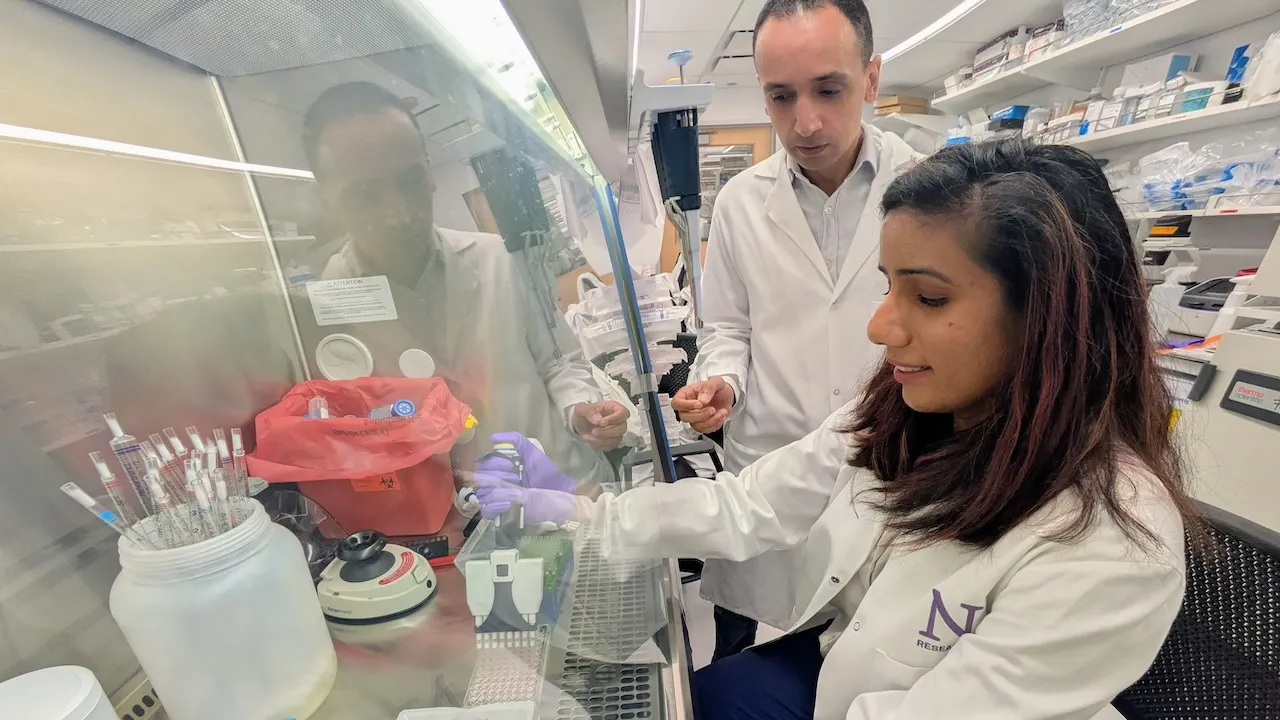
While most current cancer therapies focus on proteins or genes, this innovative treatment targets the sugars present on the surface of cancer cells. Researchers from Northwestern University in Chicago discovered that blocking these sugars allows immune cells to find and attack the cancer effectively.

Dr. Mohamed Abdel-Mohsen, a senior author on the study, explained, “Pancreatic cancer is exceptionally good at hiding from the immune system. We were surprised to find that a single sugar called sialic acid can deeply mislead immune cells.” When tumors coat themselves with this sugar, they effectively send a ‘do not attack’ signal to the immune system.

In mouse studies, this therapy proved successful in inhibiting the sugar signal, resulting in a noticeable slowdown in cancer growth. Mice that received the antibody treatment had tumors that grew significantly slower than those that did not.

Encouraged by these findings, researchers are hopeful for potential tests in human populations. They believe this antibody treatment could work well alongside existing chemotherapy and immunotherapies.

The research was published in the journal Cancer Research on November 3. Dr. Abdel-Mohsen pointed out that while this is initial research and not a treatment ready for patients yet, it highlights a new immune target for fighting pancreatic cancer.

Dr. Heloisa P. Soares, an expert who did not participate in the study, found the results encouraging and noted, “It was surprising to see that a protein responsible for keeping cells together is also being used by pancreatic cancer as a hidden signal to avoid immune attack.”

Despite the optimistic findings, pancreatic cancer remains one of the deadliest cancers, often diagnosed at advanced stages and with a five-year survival rate of only about 13%. It’s particularly challenging to treat because it typically does not respond well to immunotherapy and tends to be diagnosed late due to a lack of symptoms.

The study’s lead researcher mentioned the limitations of the current animal testing, stating that it cannot capture the full complexity of human pancreatic cancer. Still, they believe this strategy could be part of multiple approaches to treat the disease effectively.

Experts emphasize the need for further clinical trials to evaluate the safety and effectiveness of this treatment in humans. Following successful trials, it may take about five years before this therapy could be available to patients.

In summary, while this new antibody treatment shows promise, experts caution that it is still in early stages, and further research is vital to make significant advancements in the fight against pancreatic cancer.

cancer cancer research Health lifestyle medical research pancreatic cancer
Share. Facebook Twitter Email
admin
  • Website

Related Posts

FDA Greenlights Otarmeni: The First Gene Therapy to Combat Genetic Hearing Loss

April 25, 2026

CVS Health Under the Spotlight: How Tennessee’s FAIR Rx Act Affects Its Business Approach

April 25, 2026

Surge of Stomach Virus Sparks Worry Among Patients

April 25, 2026
  • Facebook
  • Twitter
  • Instagram
Don't Miss

Revolutionary Dream-Controlling Wearable Hits the Market

Shraddha Kapoor and Nora Fatehi Exonerated in 2022 Drug Investigation: Sources Say No Evidence Found

“Punjab Kings Bench Shashank Singh Following Series of Fielding Blunders”

India’s Nuclear Triad Ready, Yet Still Trails China Significantly

Started in 2004, India Bulletin is the largest and
most read South Asian publication
in Chicago and surrounding Midwest.

  • Home
  • About Us
  • Contact
  • Advertise With Us
  • Privacy Policy
  • Terms of Use
  • Disclaimer
  • CCPA
News
  • Bollywood
  • Business News
  • Health
  • India News
  • Indian Diaspora In US
  • Sports
  • Technology
  • World News
Facebook X (Twitter) Instagram

Type above and press Enter to search. Press Esc to cancel.

Accessibility Adjustments

Powered by OneTap

How long do you want to hide the toolbar?
Hide Toolbar Duration
Select your accessibility profile
Vision Impaired Mode
Enhances website's visuals
Seizure Safe Profile
Clear flashes & reduces color
ADHD Friendly Mode
Focused browsing, distraction-free
Blindness Mode
Reduces distractions, improves focus
Epilepsy Safe Mode
Dims colors and stops blinking
Content Modules
Font Size

Default

Line Height

Default

Color Modules
Orientation Modules