
U.S. Defense Chief Praises South Korea’s Military Spending Plans
South Korea is stepping up its defense efforts as U.S. Pentagon Chief Pete Hegseth recently praised the nation’s commitment to increasing military spending. This move aims to better prepare South Korea against threats from North Korea.
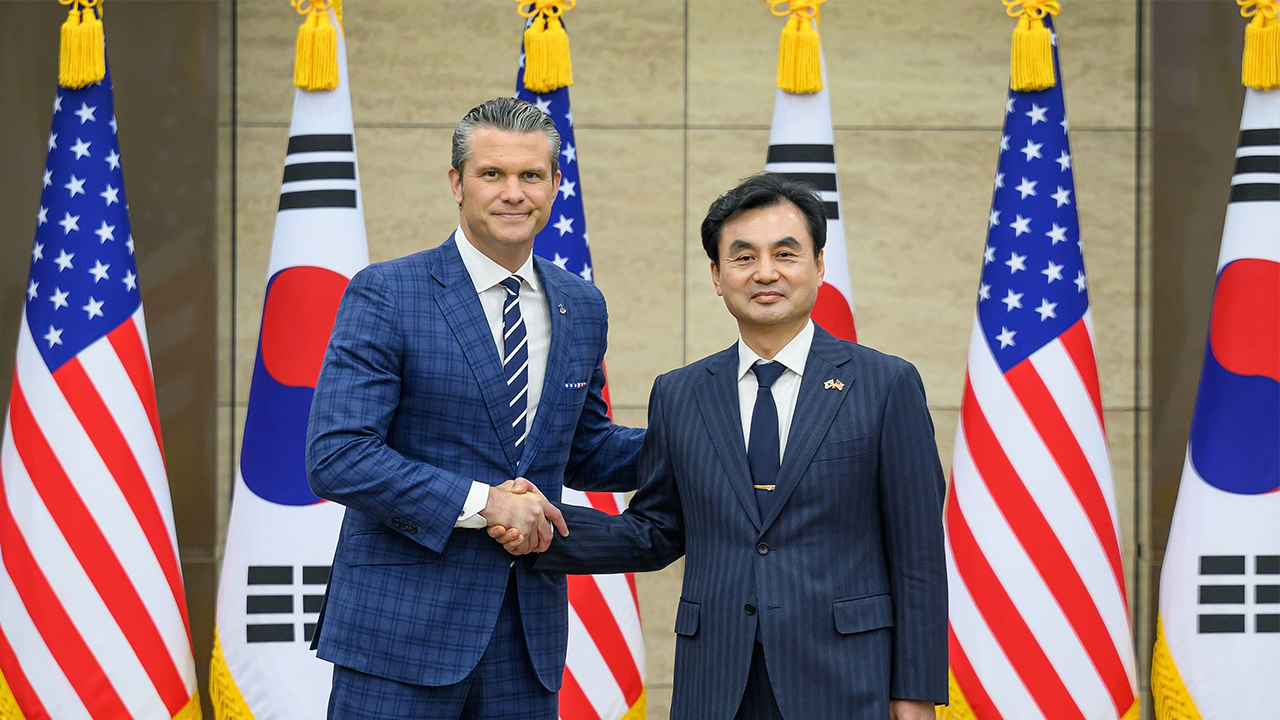
Following meetings with South Korean Defense Minister Ahn Gyu-back in Seoul, Hegseth expressed optimism about South Korea’s plan to enhance its defense budget. He described the initiative as a strong step towards modernizing military capabilities, allowing South Korea to take on a more significant role in its own defense.
During a speech to parliament, South Korean President Lee Jae Myung proposed an 8.2% boost in defense spending for the next year. He emphasized that this funding increase would help modernize weapons systems and lessen reliance on U.S. military support.
Hegseth highlighted the importance of this collaboration, noting that it would enhance South Korea’s ability to deter potential threats from the north. He acknowledged the current security challenges and reaffirmed the strength of the U.S.-South Korea alliance.
The discussions also touched on repairing U.S. warships in South Korea, which Hegseth said would utilize local shipbuilding skills, ensuring that military forces remain ready for any crisis.
While emphasizing the South Korea-U.S. alliance’s focus on North Korean threats, Hegseth mentioned the need for flexibility in addressing broader regional security issues. The U.S. has been considering ways to integrate its nuclear capabilities with South Korea’s conventional forces.
Despite speculations, Ahn clarified that South Korea currently does not plan to develop its own nuclear weapons or push for the return of U.S. tactical nuclear weapons, which were removed in the 1990s.
Recently, South Korea’s military reported that North Korea fired around 10 artillery rounds into its western waters, coinciding with Hegseth’s visit, highlighting ongoing tensions in the region.
This increased military collaboration signals a significant shift in strategy as both nations work to strengthen their defensive positions in a volatile environment.
