
Japan Faces Record Bear Attacks, Military Assistance Requested
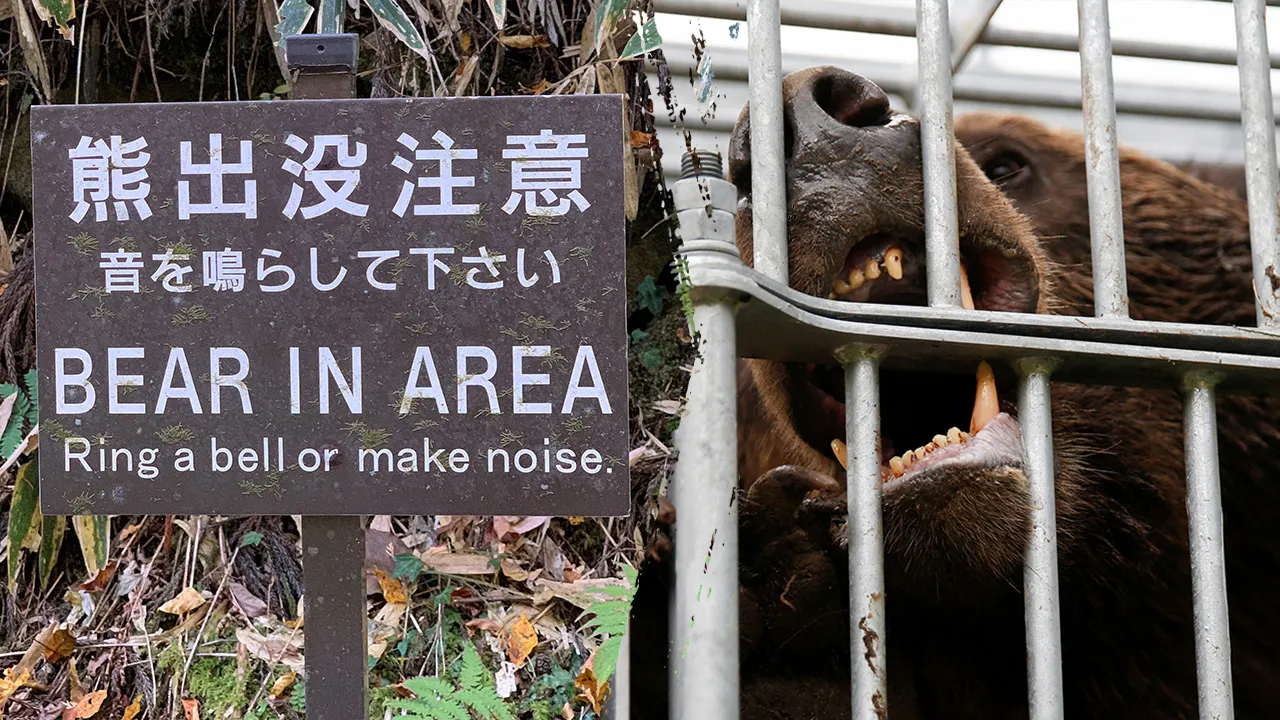
Japan is grappling with an unprecedented surge in bear attacks, prompting local authorities to seek military help and increase incentives for hunters. This crisis is being described as the country’s most serious wildlife challenge in years.
Data reported by the Japan Times shows that this year, at least 12 people have lost their lives, and over 100 have been injured due to bear encounters. Areas in the north, particularly Akita, Iwate, and Fukushima, have been most affected. Bears have been sighted close to homes, schools, and shopping centers, leading to temporary lockdowns in some rural communities.
In response to the rising threat, Akita Governor Norihisa Satake has officially requested assistance from the Self-Defense Forces (SDF). The military’s role will focus on non-combat tasks such as transporting animal carcasses, setting traps, and patrolling forested areas where bear sightings have been reported. However, only licensed hunters are allowed to handle dangerous bears.
With the number of licensed hunters dwindling—about 60% are now over 60 years old—local governments in Akita, Niigata, and Hokkaido are boosting financial support and training programs to attract new recruits to hunting.
Experts attribute the increase in bear encounters to various factors, including poor nut harvests, milder winters delaying hibernation, and the decreasing rural population. As encounters grow, a national debate has emerged on how to balance wildlife conservation with public safety. While bears are traditionally respected in Japanese culture, many residents are now calling for stricter control measures.
The Environment Ministry is urging residents to stay away from forest edges, properly dispose of food waste, and report bear sightings. Officials emphasize that this is a wildlife management issue, not an all-out battle against bears, but for residents in northern Japan, the danger feels very real.
