
Student Sparks Immigration Debate at University of Mississippi
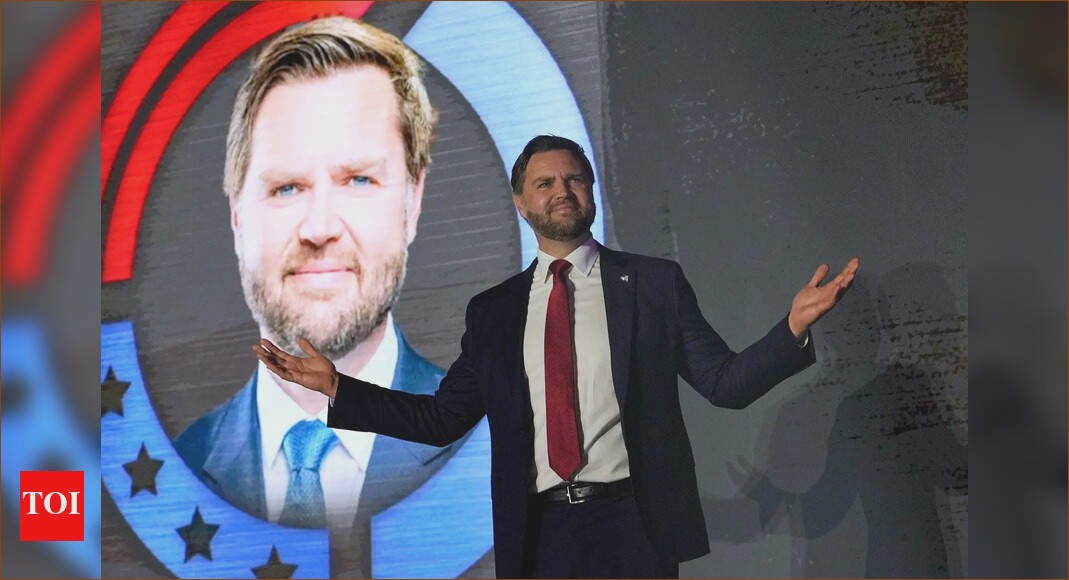
During a recent event at the University of Mississippi, an Indian-origin student captured attention when she raised a pressing question to U.S. Vice President JD Vance regarding the country’s immigration policies. Speaking calmly, she asked why the U.S. continues to attract talented individuals and international students with promises of opportunity, only to complicate their chances of staying after graduation.
When the student asserted that many international students have “worked hard for it,” her words received mixed reactions—applause from some and silence from others. This interaction, shared widely online, resonated with a range of viewers, highlighting a shared concern among many about the changing landscape for immigrants.
The Response from Vance
In his reply, Vance emphasized that the U.S. must prioritize its citizens, stating that the country cannot open its doors to limitless immigration. He noted that American policy should not accommodate an overwhelming influx of immigrants, whether legal or illegal. While his comments garnered applause at the event, reactions on social media were mixed. Some applauded the student’s composed demeanor, while others criticized her—echoing sentiments often associated with anti-immigrant rhetoric.
This exchange has sparked a wider conversation about who benefits from a system traditionally viewed as open to talent from around the globe, raising questions about the current reality for those eager to contribute to American society.
Students Share Their Views
Across online forums and group chats, students expressed their frustrations regarding the immigration process. Many who once considered U.S. universities a clear path to success now find themselves facing prolonged visa delays, an unpredictable job market, and policies that disrupt their career plans.
For many international students, the viral moment represented a key issue: the gap between the promise made by the U.S. and the challenges they face afterward. These sentiments reflect a growing anxiety among those who once felt welcomed but now find their presence questioned.
Policy Changes Affecting Foreign Students
The controversy surrounding this exchange comes at a time of significant changes in U.S. immigration policy. Some of these shifts include:
- A hefty fee of $100,000 for H-1B visa applications.
- Eliminating automatic extensions for work permits.
- A Florida law limiting hiring options for public colleges through H-1B visas.
Critics argue that these policies aim to restrict even legal immigration, unsettling individuals who planned their futures around remaining in the U.S. This tightening of policies stands in stark contrast to the ongoing recruitment of international students by universities, which often promotes post-study work opportunities.
A Shift in Perspective
The student’s question has sparked discussions on various social media platforms, marking a shift in how young immigrants respond to changing policies. Observers noted that her calm approach highlighted a desire for consistency and fairness rather than confrontation, shedding light on the polarized national debate surrounding immigration.
For many international students, particularly those from India and Asia, this incident emphasizes the complexities of their experience—balancing hard work with uncertainty and a rising sense of exclusion.
Broader Implications
The discussion intensified when the student referenced Vance’s wife, who has Indian roots and is of Hindu faith. This mention led to a fresh wave of personal attacks online, illustrating how debates about immigration often intersect with issues of identity and belonging.
For decades, the American dream has been held as a beacon for those aspiring for a better life. The student’s polite yet thought-provoking question challenges the essence of this dream and prompts a reevaluation of who truly benefits from it today. As applications to countries like Canada and Australia rise—due to clearer pathways for work and residency—it begs the question: is the U.S. still committed to providing the opportunities it advertises?
