
U.K. Digital ID Proposal Faces Backlash
Brief
Over 2.8 million people in the U.K. have signed a petition urging the government to scrap a new mandatory Digital ID system. Many citizens are worried that this system could lead to increased surveillance and control over personal data.
The Digital ID program, named “Brit Card,” was introduced by Prime Minister Keir Starmer and is scheduled for rollout by August 2029. The intention is to combat illegal immigration, as those without a digital ID would be prohibited from working in the U.K.
However, many critics argue that the impact on illegal immigration won’t justify the potential risk to privacy.
Insight
The White House has stated that such measures to curb immigration are not being considered in the U.S. right now, even though President Trump has previously focused on immigration issues.
Security expert Eric Starr said that the fears surrounding digital IDs might be overstated. According to him, when a government issues a digital ID, it is given directly to individuals, similar to a physical ID, which people carry in their wallets. He clarified that the IDs are not stored in a central location, reducing concerns about centralized surveillance.
Starr believes that the controversy stems from misunderstanding the technology. He suggested that the U.K. could have approached the digital ID rollout differently, perhaps by not making it mandatory and providing more details.
Despite the concerns, Starr argued that tracking citizens is not inherently wrong. He noted that the U.S. has systems like Social Security Numbers for this purpose, which has been in place since 1936. He emphasized the need for strong privacy protections to avoid misuse of the technology.
Many people fear that digital IDs could allow the government to monitor them constantly, an idea flagged by privacy advocates. However, Starr pointed out that the issue is less about the tech itself and more about how it’s implemented and perceived.
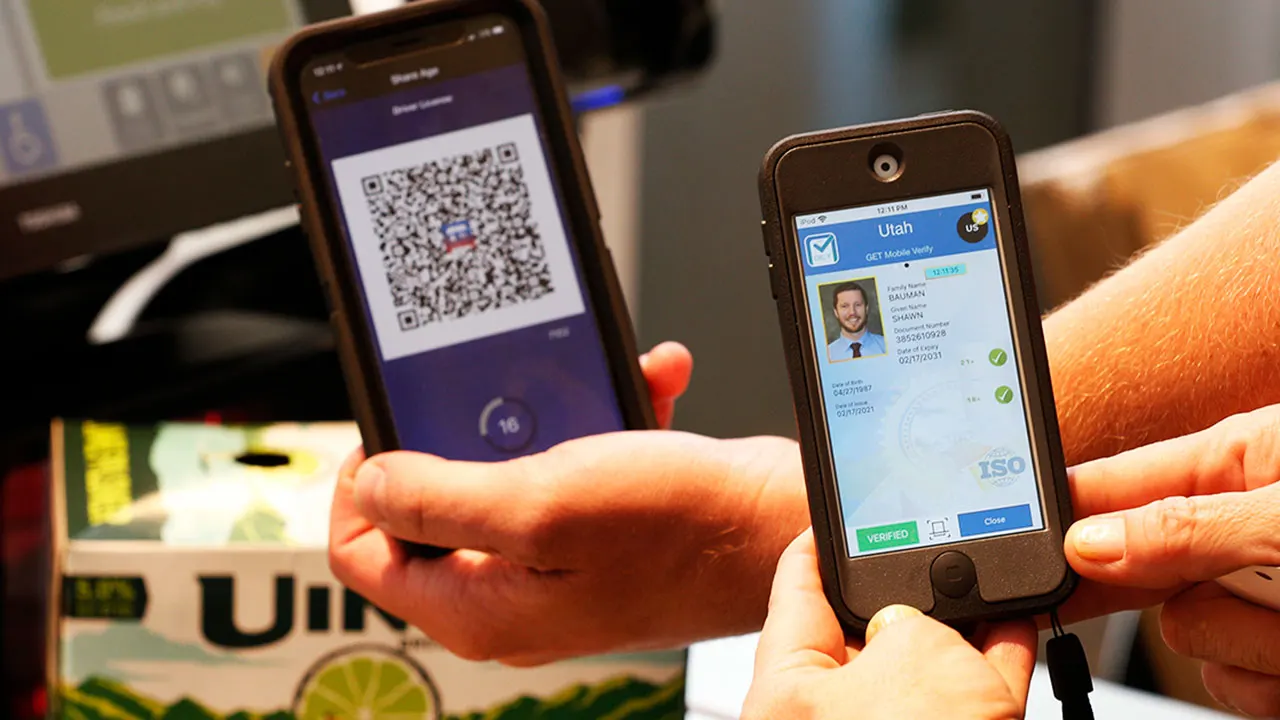
Though the U.S. does not have a federal digital ID yet, several states have started offering mobile driver’s licenses. Advocates argue that a federal version could simply compile details the government already has, like passport information.
Another significant worry is ensuring that personal information is safe from identity theft, especially as cyber attacks have become more common.
Starr explained that a decentralized digital ID system could be much more resilient against hacking than traditional centralized databases. He believes that education and addressing fears are crucial for the successful adoption of digital IDs, rather than the technology itself being the problem.
For effective implementation, he argued, the focus should be on strong privacy safeguards and clear communication to alleviate public concerns.
