
French Prime Minister Resigns Just Hours After Cabinet Announcement
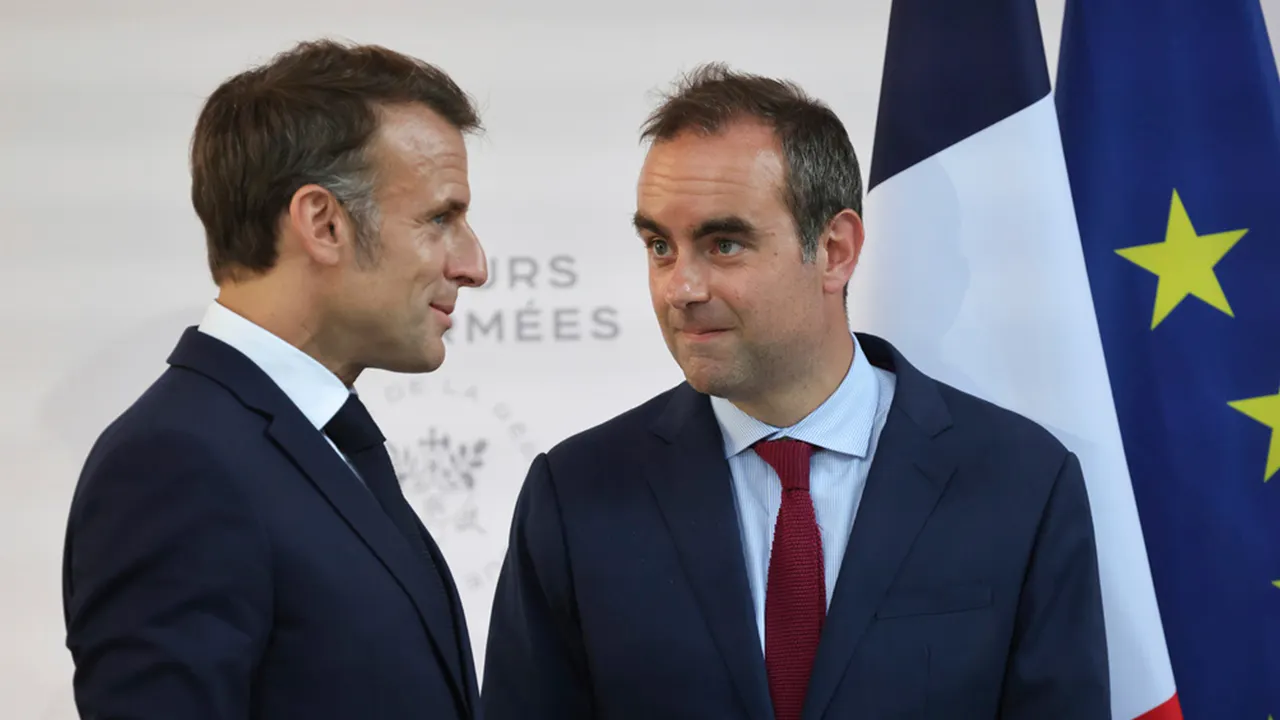
In a surprising turn of events, France’s new Prime Minister, Sébastien Lecornu, has resigned less than a day after introducing his government. This sudden departure creates a significant political crisis in the country, just weeks into his administration.
The Élysée Palace announced Monday that President Emmanuel Macron accepted Lecornu’s resignation. Lecornu, who had taken over from François Bayrou, became the fourth person to hold the prime ministerial position in less than a year.
In his resignation speech, Lecornu acknowledged the challenges he faced in building a consensus, saying, “Conditions are no longer met to remain in office. It would take little for it to work if there was more selflessness and humility, always putting the country before party.”
Opposition Calls for Change
Lecornu’s unexpected resignation has led to immediate backlash from political opponents. The far-right National Rally wasted no time in calling for either new elections or President Macron’s resignation. Marine Le Pen, the party leader, stated, “This raises a question: can he continue to resist dissolving the legislature? We’ve reached the end of the road. The only wise action is to return to the polls.”
On the left, the political party France Unbowed echoed similar sentiments, urging Macron to step down. Some leftists called for the creation of a coalition among various left-leaning parties.
Market Reactions and Government Functionality
The political turmoil has shaken investor confidence, resulting in a nearly 2% drop in the CAC-40 index of major French companies. In a rather unusual situation, ministers who had just been sworn in now find themselves as caretaker officials, tasked only with managing daily operations until a new government is appointed.
Agnès Pannier-Runacher, who was just reinstated as Minister for Ecology, expressed her frustration on social media, saying she “despairs of this circus.”
Critics have also raised concerns about Lecornu’s cabinet choices, particularly his decision to bring back former Finance Minister Bruno Le Maire as Defense Minister. Critics pointed out that under Le Maire’s leadership, France’s public deficit rose significantly.
Challenges Ahead
Lecornu’s main responsibility would have been to tackle France’s budget amid a considerable debt crisis. Currently, the country’s debt stands at approximately €3.346 trillion ($3.9 trillion), which is about 114% of its GDP. Debt servicing consumes around 7% of the government’s annual budget.
Most key cabinet positions will remain unchanged for now, with figures like Bruno Retailleau as Interior Minister and Jean-Noël Barrot as Foreign Minister retaining their roles.
French politics have been in a state of disarray since Macron’s decision to call early elections last year, resulting in a fragmented legislature where far-right and left lawmakers hold over 320 seats, compared to 210 for centrists and allied conservatives.
Lecornu had aimed to find common ground across political lines and vowed to seek compromises instead of invoking constitutional powers to bypass the legislature, a tactic previously used by former prime ministers to push through budgets without a vote.
