
Government Shutdown Persists Amid Stalemate on Health Care Subsidies
WASHINGTON — On the seventh day of the government shutdown, political leaders from both parties expressed frustration as they remain at an impasse. Democrats are pushing for discussions on continuing health care subsidies, while Republicans refuse to engage on any issues until the government reopens.
The clash centers around subsidies linked to the Affordable Care Act (ACA), which are set to expire soon for millions of Americans. Democrats advocate for extending these aids, emphasizing that failing to do so could severely increase health care costs for a large portion of the population. On the other hand, many Republicans argue that the current subsidized system is flawed and needs significant cuts.
Senate Democratic Leader Chuck Schumer voiced the party’s unwavering stance. “Democrats want to end this shutdown and address the health care crisis that could drive premiums up for tens of millions of people,” he stated.
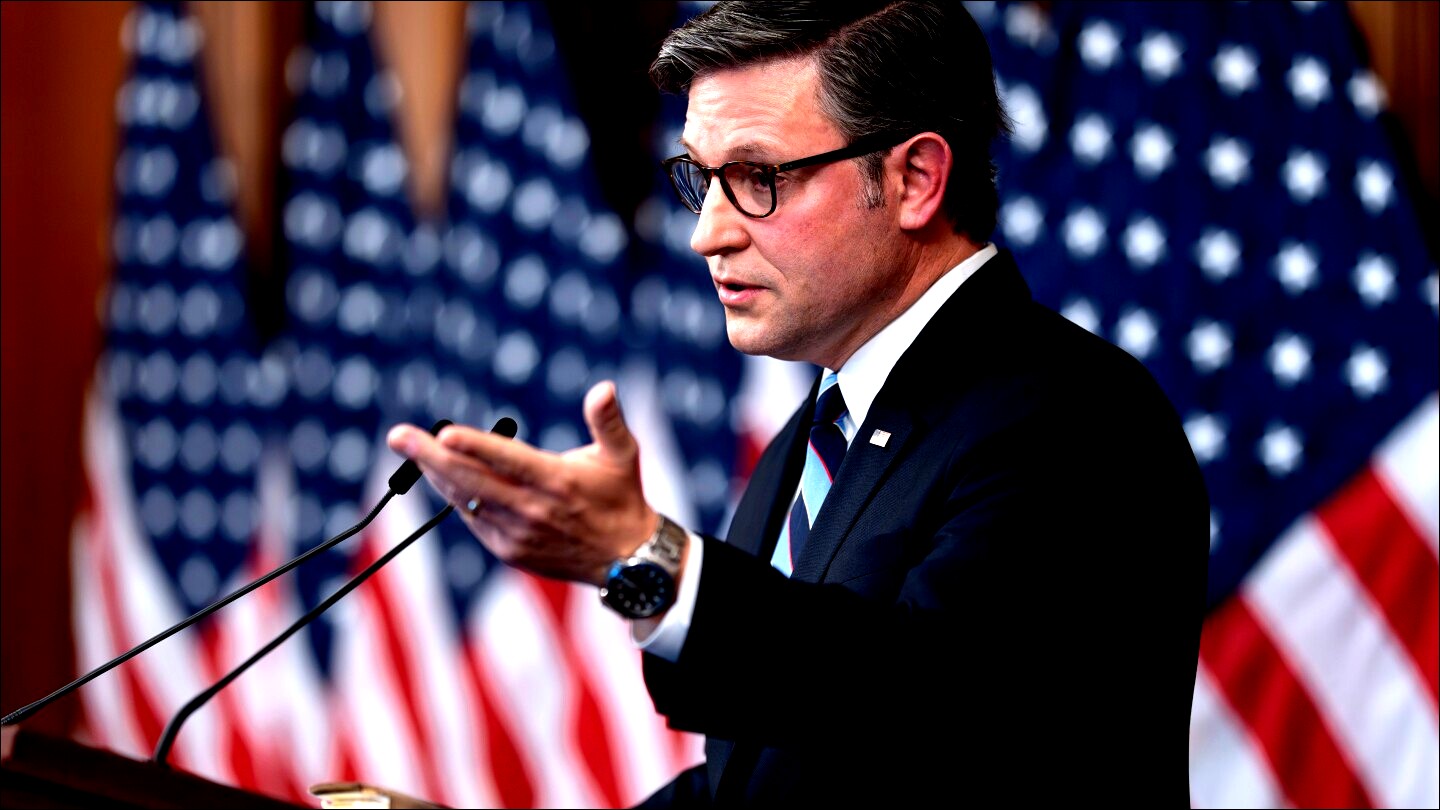
House Speaker Mike Johnson, a Republican from Louisiana, affirmed party unity in their approach, calling it a strong position. However, clarity on how to resolve this deadlock remains elusive, especially as tens of thousands of federal employees go without pay and various government services are disrupted.
While some Republicans are open to extending the subsidies due to looming premium hikes for those insured through ACA marketplaces, a significant faction is resistant. They view the current debate as an opportunity to push for reforms to the program. Texas Representative Chip Roy warned his party not to hesitate in seizing this moment.
A Long-Running Debate on Health Care
Republicans have criticized the Affordable Care Act since its inception under former President Obama more than 15 years ago. Although they’ve made some changes over the years, they have largely failed to dismantle it, as a record 24 million Americans now rely on its insurance offerings, largely due to subsidies that make the plans affordable.
Some in the GOP now see a chance to reignite this debate as Democrats advocate for retaining the subsidies. Former President Trump echoed that sentiment, stating he is open to discussions on health care but insists that the government must be reopened first.
Senate Majority Leader John Thune hinted that there might be a way forward on subsidy extensions, depending on the administration’s position. Yet, other GOP senators maintain that real change to the ACA is essential. Johnson mentioned that discussions about significant modifications to the law could be on the table once the government reopens.
Challenges in Bipartisan Talks
The Senate has rejected a House bill to fund the government five times, with Democrats blocking advancement unless they are assured health care concessions. In response, some moderate senators from both parties have begun private negotiations to find a way to resolve the shutdown.
Senator Mike Rounds proposed a one-year extension of the subsidies, phasing them out afterward. Meanwhile, Senate Appropriations Chair Susan Collins suggested moving forward with bipartisan spending bills and securing a pledge to discuss health care afterward. However, many Democrats demand more than just promises, and many Republicans seek deeper reforms, leaving both sides in a standoff.
Independent Senator Angus King, allied with Democrats, indicated that he may change his vote to oppose further funding if Republicans do not show a genuine commitment to addressing the health care crisis. Republican Senator Markwayne Mullin, however, stated that his party would not yield until the government is reopened.
Pressure on Federal Workers
As the standoff continues, federal employees face uncertainty regarding their paychecks. The White House has hinted that there might be a move to prevent back pay if the government reopens, even though Trump signed a law in 2019 that ensures pay during funding lapses. This proposal has raised alarms among workers and their advocates.
Democrats, including Senator Patty Murray, countered that federal workers are entitled to back pay following a shutdown. Meanwhile, the White House suggested using tariff revenue to fund nutrition programs, indicating a strategy to address funding shortages as the shutdown continues.
As both parties stand firm, the impact of the shutdown weighs heavily on federal workers and many Americans relying on affordable health care. The road to resolution appears rocky, with the risk of prolonged hardship for those caught in the middle.
